

If Australia hits 82% renewables by the end of the decade, wholesale power should be a third cheaper.
Articles on CCS
Displaying 1 - 20 of 34 articles
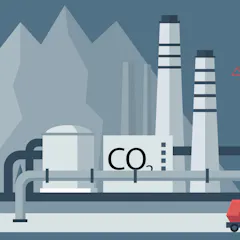
To reduce emissions put into the atmosphere, Google is using carbon capture and sequestration. But not all CCS projects are the same.
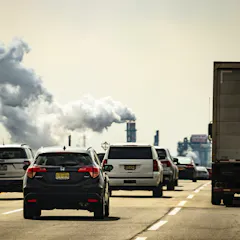
Carbon capture and removal can produce ‘negative’ carbon emissions.
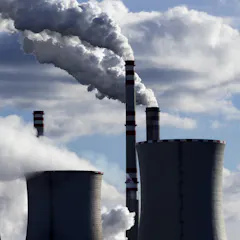
CCS needs scrutiny – but it also needs to work.

A climate scientist says there are better things to invest in.

The net zero approach of the Paris agreement has become detached from reality as it increasingly relies on science fiction levels of speculative technology.
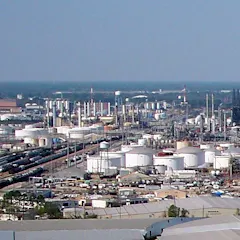
Carbon capture is turning the oil and gas industry into a critical player for mitigating climate change – while its products continue to heat up the planet.
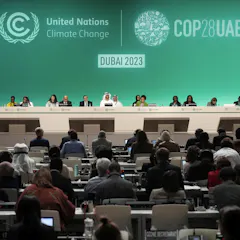
Does the science support the need for a fossil fuel phase out to reach 1.5 C? The answer depends on whether we believe that carbon capture and removal technologies can be deployed safely at scale.
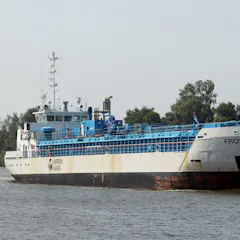
Australia wants to allow export of CO₂ for the purpose of “sequestration”, or storage under the sea. Fossil fuel companies, or research organisations, would need to first apply for an export permit.
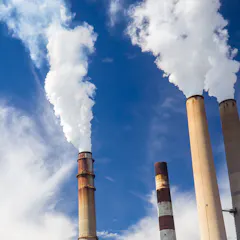
Fossil fuel power plants can avoid most emissions by capturing carbon dioxide and pumping it underground. But to be a climate solution, that carbon has to stay stored for thousands of years.
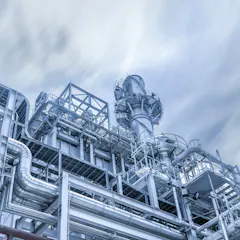
Carbon capture and storage could keep fossil fuel power plants running under newly proposed federal emissions standards, but it faces high hurdles.
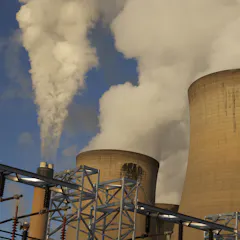
CCS remains a ‘handy excuse’ for extracting more fossil fuels, our review indicates.
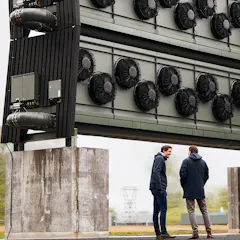
One estimate suggests at least a sixth of all emissions cuts expected from the Inflation Reduction Act would come from carbon capture.
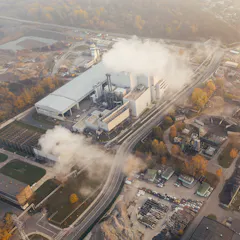
Research shows large-scale reliance on carbon capture risks postponing climate action too far into the future.

Using our oceans as carbon sinks could help achieve climate goals set in the most recent IPCC report.

While carbon dioxide removal from the air is not a replacement for emissions reductions, it can supplement these efforts. Experts are continually researching the best ways to do this.
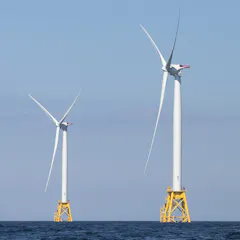
Wind turbines often can produce more power than is needed for electricity onshore. That extra energy could be put to work capturing and storing carbon.

Carbon capture technologies have been labelled as a distraction. But as we enter the all-hands-on-deck phase of tackling climate change, they must not be ignored.
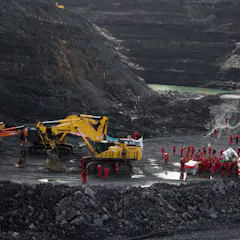
If the UK is to achieve net zero by 2050, it needs to get moving on making a successful green transition across fuel, transport and housing.
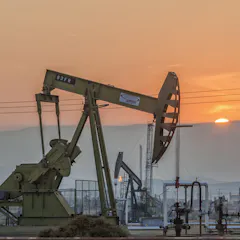
Most carbon dioxide captured in the U.S. today is used to extract more oil. Two scholars point to another way: biological sequestration.
Top contributors
-

Honorary Senior Lecturer in Chemical Engineering, University of Aberdeen
-
Professor and Chair, Tax and Transfer Policy Institute, Crawford School of Public Policy, Australian National University
-
Postdoctoral Fellow in Mechanical Engineering, University of Michigan
-
Professor of Engineering, Washington University in St. Louis
-
Associate Professor, Smart Systems Group, Heriot-Watt University
-
Professor of History, Texas A&M University
-
Professor, Mechanical Engineering; Professor, Civil and Environmental Engineering, University of Michigan
-
Assistant Professor of Risk and Environmental Studies, Karlstad University and Researcher at Planetary Boundaries Group, Stockholm University
-
Professor of Engineering and Director of the Center for Negative Carbon Emissions, Arizona State University
-
Senior Fellow in Energy and Climate Change, Grattan Institute
-
Junior Research Fellow in Climate Policy, The Fletcher School, Tufts University
-
Professor and Climate Scientist, Department of Geography, Planning and Environment, Concordia University
-
Senior Research Fellow, Visiting Scholar, The New School
-
Chair of Chemical Engineering, Heriot-Watt University
-
Conjoint Academic in Sustainability, University of Newcastle