
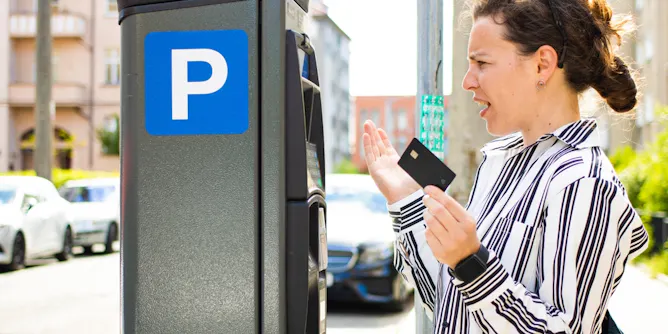
It may be tempting to view hospital parking fees as exploiting a captive market. But the reality is much more complex.
Articles on Car parking
Displaying 1 - 20 of 25 articles
US cities are starting to reform laws that required developers to provide minimum amounts of parking. But there’s more they can do to loosen the auto’s grip on downtowns.
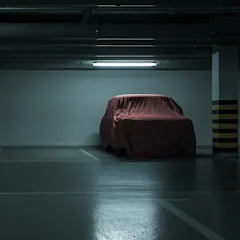
As many cities grapple with the housing crisis, some places are rewriting regulations and finding creative ways to repurpose these hulking masses of concrete that suck up valuable real estate.

Beautiful shopping streets attract people — and that’s good for business. Images of ten reimagined local shopping streets show how they can become the beautiful hearts of their local communities.

Seeing Japanese parents send toddlers out on their own to do errands has shocked viewers. But not that long ago our neighbourhoods were also child-friendly, and we can make them so again.
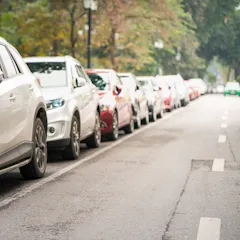
On-street parking is an increasingly scarce resource as we take to our cars post-lockdowns. Here’s how to make the most of it.
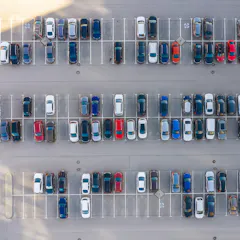
A single open-air car park takes up land that could potentially house hundreds of people.

Roadsides have long been reserved for parking cars, but the pandemic led to many experiments with other ways of using scarce and valuable public space. We can put it to better and more flexible uses.

Many people prefer the status quo as they struggle to imagine the alternatives. The pandemic has been the catalyst for urban experiments that have opened our eyes to new possibilities.
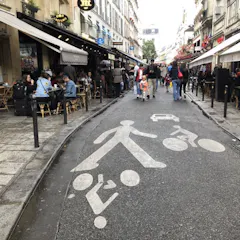
Instead of free parking, our post-COVID CBDs need a big vision to become attractive destinations that aren’t car-friendly at the expense of being people-friendly.
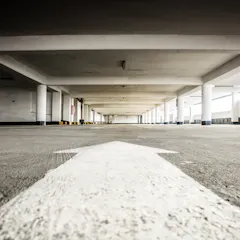
Self-driving cars may someday drop off their owners downtown and then leave to find free parking. What would that mean for cities of the future?
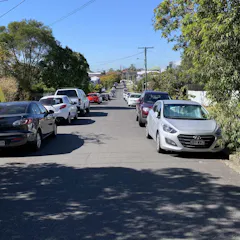
The global trend is to free up valuable city space by reducing parking and promoting other forms of transport that don’t clog roads and pollute the air. Australian cities are still putting cars first.
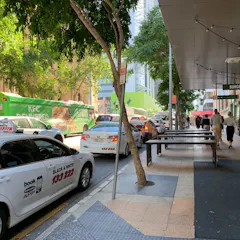
Cities must manage all the competing uses for limited roadside space to avoid congestion and maximise efficiency. And that begins with reliable data.
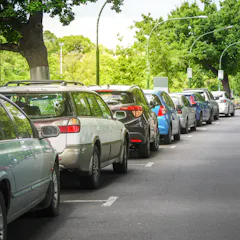
Australian cities have a glut of parking, even as politicians move to protect parking spaces or promise even more. There are better ways to keep congestion manageable and our cities liveable.

The Commuter Car Park Fund announced in the budget sounds big, but is likely to create only around 30,000 extra spaces – a marginal benefit for Australia’s 1.2 million daily public transport users.
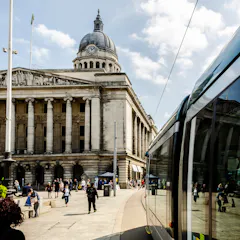
The workplace parking levy is a simple idea, but tricky to implement.

Many US cities are investing in bike infrastructure and shade trees. Properly located, these additions can make streets cooler, cleaner and safer for all users – even those who drive.
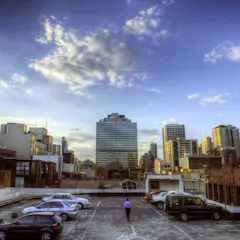
There are thousands of empty parking spots in cities. So what can we do to make better use of this space?
Looking back through all Melbourne’s strategic plans from 1929 onwards, it becomes clear that the 20th-century legacy of car-centric planning and its focus on parking is still deeply entrenched.
Human-operated cars affect health in three main ways, all negatively. How might driverless cars be healthier?
Top contributors
-

Senior Lecturer in Urban Planning & Design, Monash University
-
Postdoctoral Research Associate, Faculty of Architecture, Building and Planning, University of Sydney
-
Honorary Professor of Planning, The University of Queensland
-
Professor in Law, UNSW
-
Associate Professor in Urban Planning, The University of Queensland
-
Vice-Chancellor's Research Fellow, Centre for Urban Research, RMIT University
-
Professor of Human Geography, The University of Queensland
-
Senior Research Fellow, Sheffield Hallam University
-
Lecturer, Urban Planning, University of Southern Queensland
-
Associate Professor in Urban Planning, The University of Melbourne
-
Lecturer in Urban Agriculture, Boston University
-
Assistant Professor, National Yang Ming Chiao Tung University, Taiwan, Griffith University
-
Professorial Fellow, Mary MacKillop Institute for Health Research, Australian Catholic University; Emeritus Professor, Wertheim School of Public Health, University of California San Diego, University of California, San Diego
-
Education Fellow in Transport Planning, PhD Candidate, The University of Melbourne
-
Associate Professor in Urban and Regional Planning, University of Sydney