

The etymology of an epidemic.
Articles on Bubonic plague
Displaying 61 - 80 of 107 articles
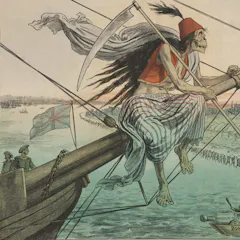
Some 1,500 years ago, the Plague of Justinian spread via ships from North Africa to Europe and Asia, killing up to 50 million people.

The cities of Europe have experienced disease outbreaks for centuries, but they were able to bounce back using quarantine, economic stimulus and patience. Not all were successful.

Even in a world where 99% of the male population is dead, patriarchy is still a very comfortable pair of shoes and very easy to slip into.
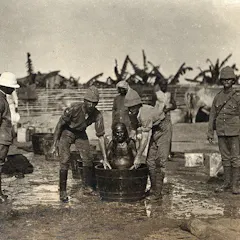
Racism against fellow Indians and classism against the poor characterised India’s early response to coronavirus, that is reminiscent of British imperial public health policies.
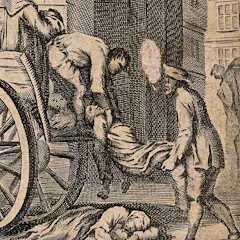
Sure, there were no Zoom calls or ventilators. But thanks to a prolific diarist, we can see some striking similarities, from daily death counts to quack remedies.
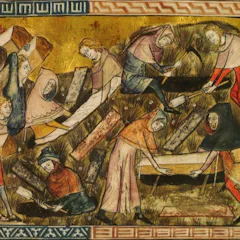
The 14th century Black Death pandemic catalysed enormous societal, economic, artistic and cultural reforms in Medieval Europe. Infectious disease pandemics can be major turning points in history.
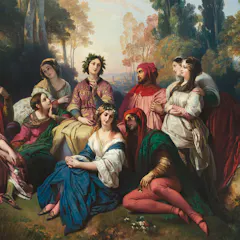
Then – as now – the wealthy fled to the countryside, while the urban poor were forced to work on the front lines.

COVID-19 is a plague not merely on the happiness that comes with health and wealth, but also on the meaning in our lives.
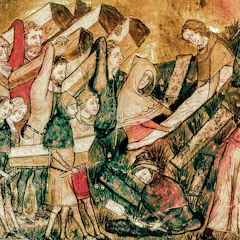
Rumours, conspiracy theories, the blame game: sound familiar?

Isolation. Despair. Facing our demons. What does the most-translated novel tell us about living with COVID-19?

Written 60 years after the bubonic plague swept London, Defoe’s account may have been a hoax, but it still rings true today.

Plague ravaged England repeatedly during Shakespeare’s lifetime. The playwright translated the experience of sickness and restoration in many ways on the stage.
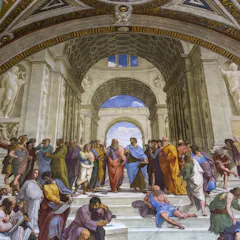
Ancient Greek philosophers including Plato likened civic leaders to doctors, creating a healthy society through balance and moderation. Those ideas feed into what we expect from leaders today.

During the Black Death of the 1300s, medieval writers struggled to make sense of the disease just as we are now during the COVID-19 pandemic
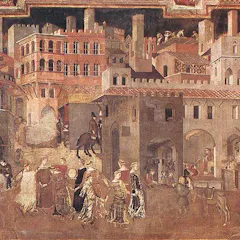
In the aftermath of the plague, division and discord spread in medieval cities.
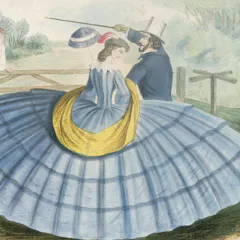
In the past, maintaining physical distance was an important aspect of public life – and clothes played a big role.

Historically, pandemics have brought about profound societal improvements. Will that happen this time?
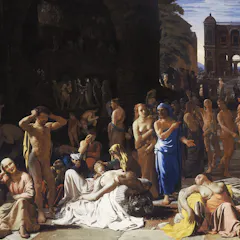
The Greeks treated their city-states like bodies. To protect them from disasters, it was the poor that were often sacrificed.
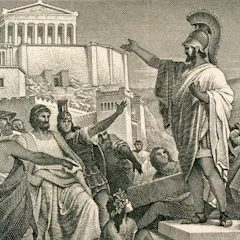
Thucydides’ description of the plague that struck Athens in 430 BC is one of the great passages of Greek literature. It focusses on the social response, both of those who died and those who survived.
Top contributors
-

Professor of Classical Studies, Brandeis University
-
Senior Lecturer in Microbiology, Western Sydney University
-
PhD Candidate in History, University of Cambridge
-
Associate Professor of Medieval History, Durham University
-
Senior Lecturer in English, Loughborough University
-
Associate Professor of Health History, Glasgow Caledonian University
-
Professor of English and University Orator, Birmingham City University
-
Chair in the History of Finance and Associate Pro-Vice-Chancellor Research, Prosperity and Resilience, Henley Business School, University of Reading
-
Professor of Infectious Diseases, Monash University
-
Professor of History, University of Glasgow
-
Associate Professor of History, University of Stirling
-
Associate Professor of History, Rutgers University - Newark
-
Associate Professor in Medieval History, The University of Queensland
-
Researcher in Medical Anthropology, University of Edinburgh
-
Research Fellow, Pacific Institute on Pathogens, Pandemics and Society, Simon Fraser University