
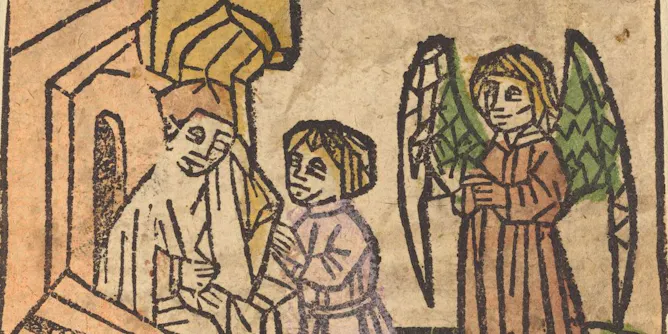
Churches’ struggles to respond to the plague and constant warfare in the 14th and 15th centuries helped shape the kinds of Christianity in the world today.
Articles on Bubonic plague
Displaying 21 - 40 of 107 articles

Indigenous stories of survival in fictional post-apocalyptic landscapes draw from actual events and experiences. These stories preserve histories and the possibility of hope.

A new analysis of crime data shows that anti-Asian violence, targeting people of Asian descent and their property, rose sharply during the pandemic.
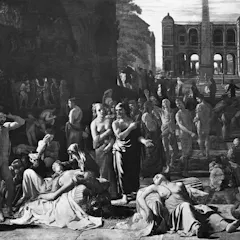
A scholar of ancient Greek literature goes back to the account of Greek historian Thucydides on the spread of plague and finds parallels in the American response to the health crisis today.

Authentic use of history in games is not about claims to accuracy, but about transparency.
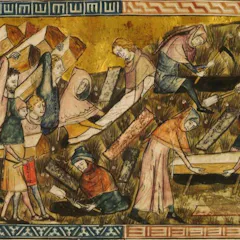
The Black Death is believed to have been the most devastating pandemic in Europe’s history. Now paleoecologists and historians have cast doubt on how bad it was.
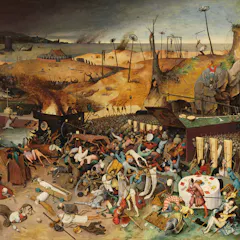
Science has made a strong case for the year 536 as being one of the worst in human history, a year punctuated by volcanic eruptions, drought, famine and plague - and a year long winter.
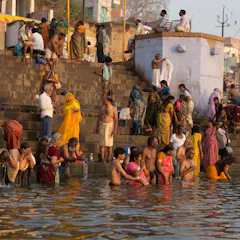
Laws and rituals surrounding disease have been part of everyday life for millennia. Here’s why that’s important.
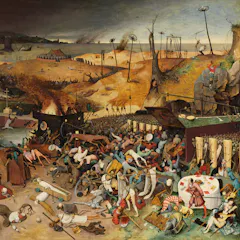
Halloween, with its mix of the macabre and the playful, provides a moment to reflect on how closely life and death are interwoven – especially in the COVID era.
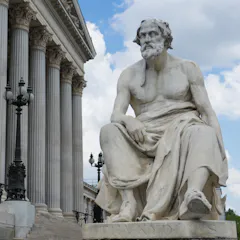
We all need to know about the science of COVID as we battle through pandemic, but the ultimate story will lie in how it changed our societies.
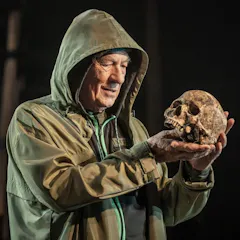
As COVID restrictions ease, Ian McKellen’s take on Hamlet reminds us of how theatres dealt with similar situations during the bard’s time.

Games can help players practice important skills related to civics and public life, like communication, empathy and compassion, critical thinking, and problem-solving.

The plight of women who had to give birth alone during the pandemic is a good starting point to discuss a better childbirth experience for all women.

Accounts of previous epidemics – by Samuel Pepys, Daniel Defoe and Katherine Porter – warn of mistakes that we risk repeating.
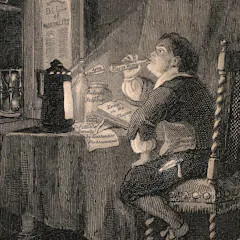
To stave off illness and melancholy, moderate drinking was advised by doctors.
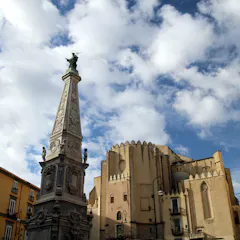
As the one-year anniversary of the World Health Organization’s declaration of a pandemic approaches, it might be time to consider how our modern age wants to remember this plague.
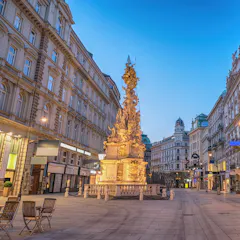
Although memorials to past pandemics are not as prolific as war memorials, they do exist. A scholar of visual culture provides a brief history of monuments around the world.
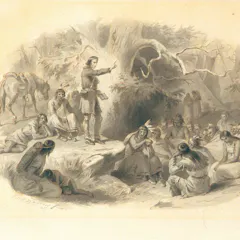
Power, plague and Christianity were closely intertwined in 17th-century New England.
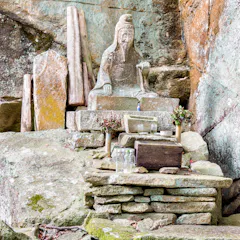
Medieval Japanese poets and philosophers sought different ways of dealing with disasters and tragedies.
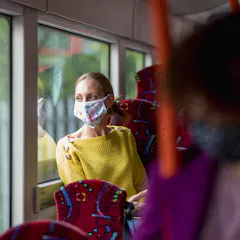
As ready as you are to be done with COVID-19, it’s not going anywhere soon. A historian of disease describes how once a pathogen emerges, it’s usually here to stay.
Top contributors
-

Professor of Classical Studies, Brandeis University
-
Researcher in Medical Anthropology, University of Edinburgh
-
PhD Candidate in History, University of Cambridge
-
Associate Professor of Medieval History, Durham University
-
Senior Lecturer in English, Loughborough University
-
Associate Professor of Health History, Glasgow Caledonian University
-
Professor of English and University Orator, Birmingham City University
-
Chair in the History of Finance and Associate Pro-Vice-Chancellor Research, Prosperity and Resilience, Henley Business School, University of Reading
-
Professor of Infectious Diseases, Monash University
-
Professor of History, University of Glasgow
-
Associate Professor of History, University of Stirling
-
Associate Professor of History, Rutgers University - Newark
-
Associate Professor in Medieval History, The University of Queensland
-
Research Fellow, Pacific Institute on Pathogens, Pandemics and Society, Simon Fraser University
-
Associate Professor in Ancient History, Australian Research Council Future Fellow, Macquarie University