
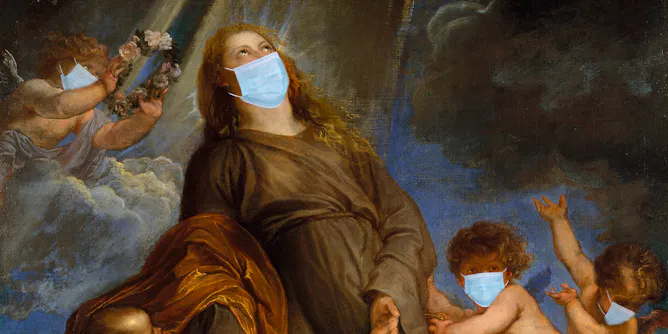
The things we find hard to balance during COVID-19 – individual freedoms versus the group, accountability versus blame, science versus personal beliefs – are centuries old and deeply human.
Articles on Bubonic plague
Displaying 41 - 60 of 107 articles
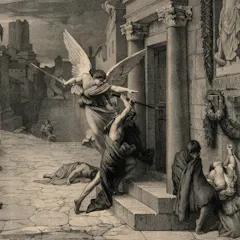
Societies and cultures that seem ossified and entrenched can be completely upended by pandemics, which create openings for conquest, innovation and social change.
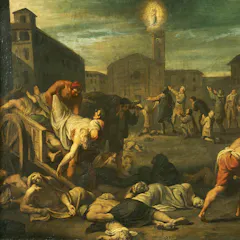
The 17th-century plague of Italy has lessons for today: Back then, too, people broke public health laws, but there were clergymen who intervened.

We’re supposed to suppress feelings of envy. But what if the kind spurred by school shutdowns, frontline work and cramped apartments are worth exploring – and acting upon?

Masks have a chequered history in western fashion. Some silenced women in the name of beauty, others provoked sexual desire.
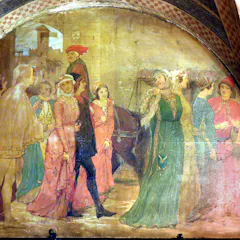
Written between 1348 and 1353, the Decameron is a prescription for psychological survival, a way of mentally distancing from today’s death counts and grim economic forecasts.
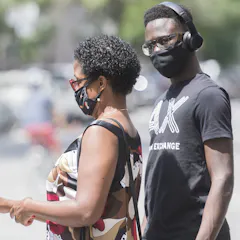
The COVID-19 pandemic is not the first time people have been required to wear face masks for protection. Mask-wearing has a long history, and reflects society’s sense of shared responsibility.
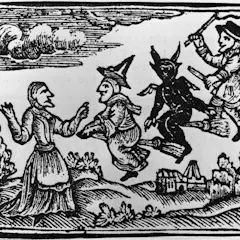
The idea of organized satanic witchcraft was invented in 15th-century Europe by church and state authorities, who at first had a hard time convincing regular folks it was real.
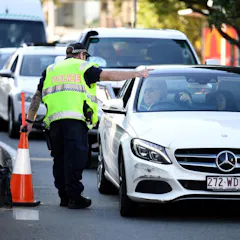
Australia’s island identity and attitude to border security was forged from handling pandemics since the time of federation. Here’s what we’ve learned along the way.
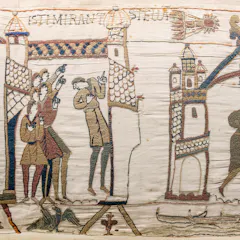
In medieval times natural phenomena, such as comets and eclipses, were regarded as portents of natural disasters, including plagues.
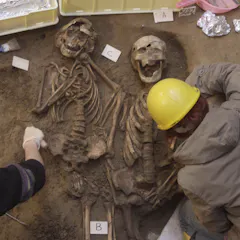
People have lived with infectious disease throughout the millennia, with culture and biology influencing each other. Archaeologists decode the stories told by bones and what accompanies them.
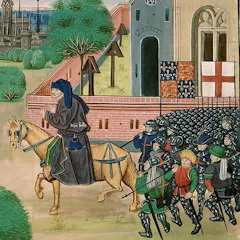
With the plague decimating the ranks of laborers, surviving workers started pining for higher wages. When the monarchy responded by enacting taxes and restrictive labor laws, the peasants rebelled.
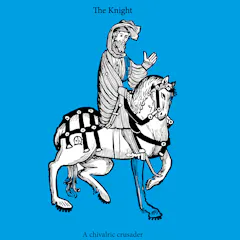
Poets and the wealthy were angered by those who saw their opportunity to rise above their station after the plague.
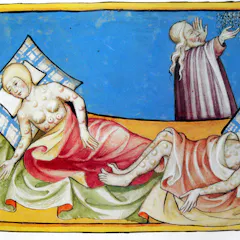
PODCAST: Between a third and half of Europe’s population died from the Black Death. The first episode of a new podcast series from The Anthill on how the world recovered from past shocks.
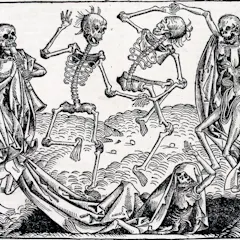
It is generally assumed that this disease-control technique goes back to the 1840s, but it’s actually much older.
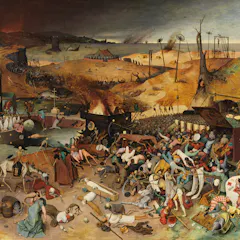
A medieval historian and business studies expert discuss how pandemics past and present impact on big business.
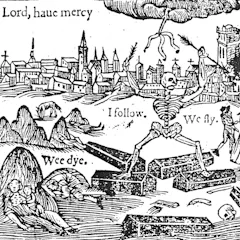
From the Black Death to COVID-19, there have always been those who think good Christian practice will save them from death.

Fun fact: the term ‘influenza’ comes from the premodern belief stars influenced disease. Before epidemiologists, there were astrologers.
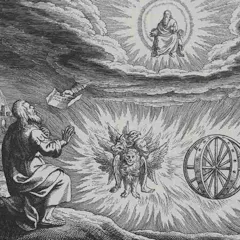
Those experiencing stress and uncertainty amid the coronavirus may find guidance in medieval responses to plagues, which relied on both medicine and prayer.

Bleach to defeat COVID-19 or fire to dispel plague, history is full of quack medicine.
Top contributors
-

Professor of Classical Studies, Brandeis University
-
Senior Lecturer in Microbiology, Western Sydney University
-
PhD Candidate in History, University of Cambridge
-
Associate Professor of Medieval History, Durham University
-
Senior Lecturer in English, Loughborough University
-
Associate Professor of Health History, Glasgow Caledonian University
-
Professor of English and University Orator, Birmingham City University
-
Chair in the History of Finance and Associate Pro-Vice-Chancellor Research, Prosperity and Resilience, Henley Business School, University of Reading
-
Professor of Infectious Diseases, Monash University
-
Professor of History, University of Glasgow
-
Associate Professor of History, University of Stirling
-
Associate Professor of History, Rutgers University - Newark
-
Associate Professor in Medieval History, The University of Queensland
-
Researcher in Medical Anthropology, University of Edinburgh
-
Research Fellow, Pacific Institute on Pathogens, Pandemics and Society, Simon Fraser University