

Plus, how researchers have discovered a biological switch that can turn neuroplasticity on and off in the brain. Listen to episode 13 of The Conversation Weekly podcast.
Articles on Brain science
Displaying 21 - 40 of 61 articles

Smelling odours that aren’t there can be annoying. It can also be a sign of a serious underlying condition.

Adolescents have important developmental work to do. Despite what worried grownups think, taking needless risks isn’t the goal for teens. Being risky is part of exploring and learning about the world.
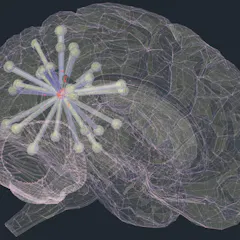
Harmful proteins spread between connected neurons much like flu spreads through a social network. The finding may provide future opportunities for halting Alzheimer’s.

A new initiative called the International Brain Laboratory is tackling this fundamental mystery of neuroscience in an unusual way.
Hollywood pushes a fantasy version of what neuroscience can do in the courtroom. But the field does have real benefits to offer, right now: solid evidence on what would improve prisons.

Baby’s brains have special activity to help them develop – now researchers have found where some of this happens.

Brain games, learning languages, rowing? Beware of snake oil salesman claiming we know it all.

A strange delusion which may have its origins in damage to a particular process in the brain, is also one that can help us to understand how we recognise each other.

Repetitive patterns from windows, blinds and stairs are really uncomfortable to look at.
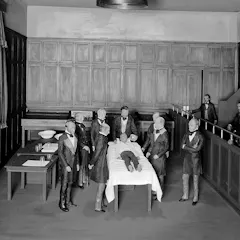
Terrifying accounts of surgery 200 years ago remind us how far general anaesthesia has come. Yet we still know little about how anaesthetics alter consciousness.
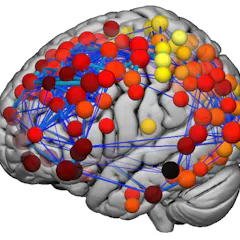
The human brain develops rapidly between the ages of 14 and 24.

Recent research suggests running allows the brain to rest and reduces the need for sleep.

Once you’ve been dishonest, it’s harder to stop – here’s why.
We might think our technological innovations are driving us towards a cyborg future, but is it the brain doing all the work?

Performance changes if you stay awake over two days – but not in the linear way you might expect.
Doctors are working to reconnect the brain to paralysed limbs.
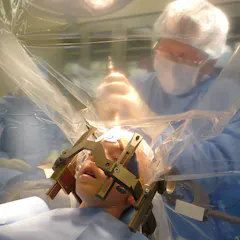
Will a bit of brain stimulation to lift our spirits ahead of a night out be commonplace in the future?

Our heads are like radio receivers, and they can tune in to various different channels.
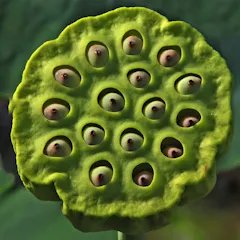
Warning: gross but highly sharable pictures of holes that might fill you with disgust.
Top contributors
-

Host, The Conversation Weekly Podcast, The Conversation
-
Professor of Psychology, University of Essex
-
Postdoctoral Fellow, UO Institute of Neuroscience and Howard Hughes Medical Institute, University of Oregon
-
Professor of Clinical Neuropsychology, University of Cambridge
-
Investigations Editor, Insights, The Conversation
-
Professor, Centre for Human Psychopharmacology, Swinburne University of Technology
-
Professor and Head of Epigenetics and Neural Plasticity, Florey Institute of Neuroscience and Mental Health
-
Academic Clinical Fellow, University of Cambridge
-
Associate Professor, Psychology, Heriot-Watt University
-
Research Associate, Department of Psychiatry, University of Cambridge
-
Professor of Cognitive Neuroscience, UCL
-
Penn State
-
Professor of Cognitive Neuroscience, UCL
-
Senior Lecturer in Psychology, Manchester Metropolitan University
-
Skye McDonald is a Friend of The Conversation.
Professor of Clinical Neuropsychology, UNSW