

Hollywood pushes a fantasy version of what neuroscience can do in the courtroom. But the field does have real benefits to offer, right now: solid evidence on what would improve prisons.
Articles on Brain imaging
Displaying 21 - 40 of 63 articles
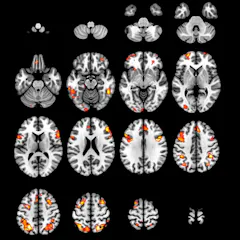
It can be very hard for people to accept that they – or their family member – are not to blame for their mental illness. Seeing the evidence in a scan can make a difference.

BCI devices that read minds and act on intentions can change lives for the better. But they could also be put to nefarious use in the not-too-distant future. Now’s the time to think about risks.
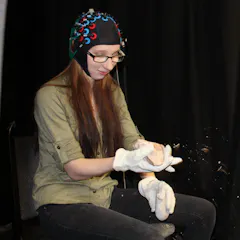
We can’t observe the brain activity of extinct human species. But we can observe modern brains doing the things that our distant ancestors did, looking for clues about how ancient brains worked.
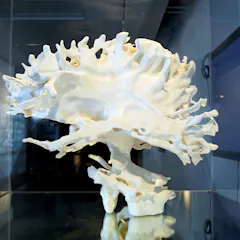
There’s both money and prestige invested in the simple idea that different brain areas are responsible for certain functions. But that doesn’t make it true.
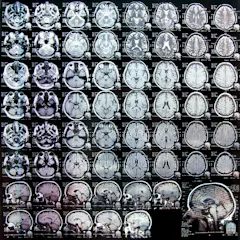
This week, the prestigious journal The Lancet published a large study identifying objective differences in the brains of people diagnosed with attention-deficit hyperactivity disorder.

Both genetic and environmental factors determine someone’s personality. Genes account for between 30-50% of the determination and unique environmental experiences making up the rest.
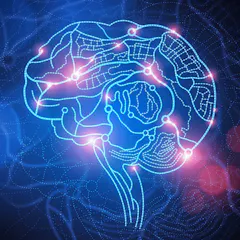
Neuroscientists analysed the brains of 210 healthy young adults. The result was a modern atlas of the human brain, 97 areas of which have never been described before.

You may have got what it takes to be a mathematical genius without even being aware of it.

Can a study into the neural basis of altruism help us be better people?

Particular parts of an individual’s brain tend to work together on certain tasks. Researchers can look at these patterns of “functional connectivity” to predict traits – like the ability to pay attention.
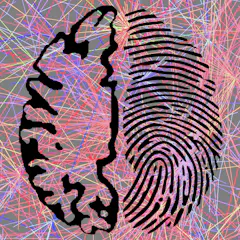
Typically, researchers pool a bunch of brain scans to figure out the average way brains handle certain tasks. Instead, could they pick out individual brain profiles from a stack of 126 people’s scans?

Lesions on a particular region of the brain can cause ‘acquired dyslexia’.
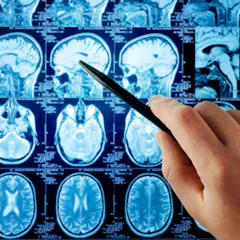
Brain damage is caused by persistent depression rather than being a predisposing factor for it, researchers have finally concluded after decades of unconfirmed hypothesising.

The idea that during sleep our minds shut down from the outside world is ancient and one that is still deeply anchored in our view of sleep today, despite some everyday life experiences and recent scientific…
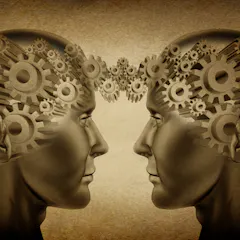
Dementia and cognitive decline have a huge impact on the overall health and activity of the ageing population and come with a substantial social and economic cost for society. But for those who have dementia…
It’s a common conversation starter to assert that we only use 10% of our brains. In Lucy, the soon-to-be-released thriller about a woman forced to work as a drug mule for the Taiwanese mob, Professor Norman…
Musical training at an early age may enhance executive brain functioning, a new study suggests. The study used functional…
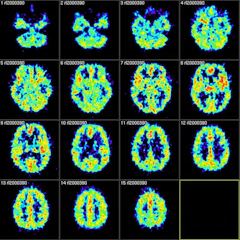
When patients suffer from a brain injury and are unresponsive, we often don’t know whether they have suffered irreversible damage from which they will never recover, or whether the damage is a temporary…
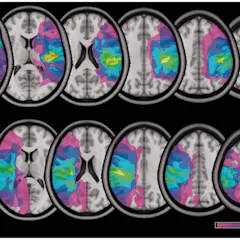
Given the media coverage brain imaging studies get, you might think that they are constantly revealing important secrets about this mysterious organ. Catherine Loveday thinks otherwise. She makes the point…
Top contributors
-

Senior Research Scientist, University of Oxford
-
Professor in Psychology, UCL
-
Associate Professor, Texas A&M University
-
Scientia Professor & Head of the School of Psychiatry, UNSW
-
PhD Candidate in Neuroscience, Yale University
-
Associate Professor, Department of Psychology, University of Copenhagen
-
Assistant professor, University of Chicago
-
Adjunct Assistant Professor of Neurology at Oregon Health and Sciences University and Affiliate Assistant Professor of Philosophy, University of Washington
-
Science Writer, Queensland Brain Institute, The University of Queensland
-
Scientia Professor of Neuropsychiatry, Centre for Healthy Brain Ageing (CHeBA), School of Psychiatry, UNSW
-
Professor of Electrical & Electronic Engineering, The University of Melbourne
-
Director School of Medicine and Psychology, Australian National University
-
Senior Clinical Lecturer of Geriatric Medicine, University of Edinburgh
-
Professor of Psychiatry and Neuroscience, Wayne State University
-
Lecturer in Philosophy and ARC Future Fellow, Monash University