
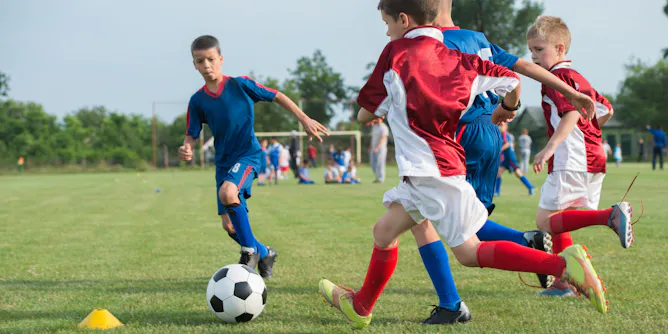
The largest study examining the long-term cognitive outcomes of sports-related concussions has delivered some surprising results.
Articles on Brain health
Displaying 61 - 80 of 108 articles

After the age of 60, exercise can help stimulate brain function. We take a look at what you should be doing.
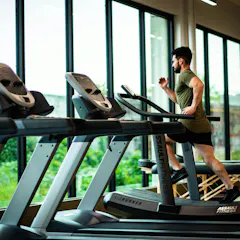
Do you tend to exercise mainly on the weekends? A new study finds this could offer equivalent benefits for brain health and mental health as staying active throughout the week.

Zurich’s decision to no longer insure some professional athletes for concussion could have far-reaching ramifications for players and their sports.

The benefits of HIIT workouts persisted even five years later.

Research suggests around 40% of dementia cases could have been prevented or delayed by changing certain lifestyle habits.
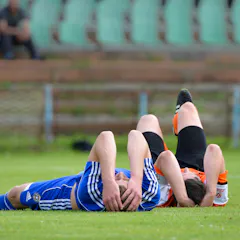
Many elite athletes are encouraged to have baseline concussion tests, so should children playing junior sports do the same?
Regardless, there’s no doubt that sleep is important for the brain.
A new study shows that it is possible to reduce the symptoms of amyotrophic lateral sclerosis by reducing the inflammation caused by immune cells in the brain.

Several high-profile athletes with concussion histories have been forced to retire on medical advice. But what’s the process that guides them to that difficult decision?

For decades, some sports have fostered a win-at-all-costs culture, with concussion often an afterthought. But there are signs that attitude is changing.

The traditional Japanese diet contains plenty of rice, fish, pickles, green tea, soybeans, miso and shiitake mushrooms.

Many dieters vouch for the effect of intermittent fasting on their body – but what about their brain?
Research suggests certain gut bacteria may have a role in helping us maintain cognitive function as we age. A celatus is one of these.
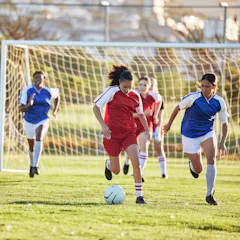
New guidelines from the Australian Institute of Sport recommend players in youth and community sport are sidelined for three weeks after a concussion. Here’s why.

Caffeine is the most consumed psychoactive substance globally.
Here’s why a healthy balance of microbes is important for astronauts when they travel to Mars and beyond.
Racial threats and slights take a toll on health, but the continual invalidation and questioning of whether those so-called microaggressions exist has an even more insidious effect, research shows.
Lifestyle-related dementia risks are complex, with factors like sleep, exercise, diet and social contact interacting with things like cognitive reserve, neuroplasticity and inflammation in the body.
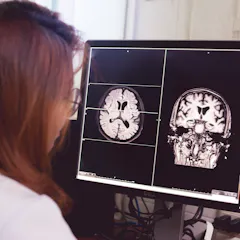
This study shows at least two different mechanisms lead to cognitive decline – both in healthy people and people with Alzheimer’s.
Top contributors
-

Professor of Biological Psychology, Loughborough University
-
Professor, Adjunct Research Fellow, School of Health Science, Swinburne University of Technology
-
Research Fellow, UQ School of Human Movement and Nutrition Sciences, The University of Queensland
-
Professor of Anatomy, Lancaster University
-
Research Fellow in Neuroimmunology, UCL
-
Affiliate Professor, Department of Family Medicine, McGill University
-
Assistant Professor, Faculty of Law, Bond University
-
Senior Nurse Lecturer, London South Bank University
-
Physical activity researcher, Deakin University | Lecturer in science communication, The University of Melbourne
-
Professor and Tier 1 Canada Research Chair in Developmental Neurogenetics, University of British Columbia
-
Professor of Public Health; Director, Centre for Public Health Research, Te Kunenga ki Pūrehuroa – Massey University
-
Lecturer in Cognitive Neuroscience, City St George's, University of London
-
Contract Lecturer in Digital Media, Toronto Metropolitan University
-
Professor of Behavioral Neuroscience, University of Richmond
-
Senior Lecturer in Healthy Ageing, The University of Queensland