

Concussions can teach researchers a great deal about how the brain recovers after injury and offer insights into how people can promote brain health throughout their lives.
Articles on Brain health
Displaying 81 - 100 of 108 articles
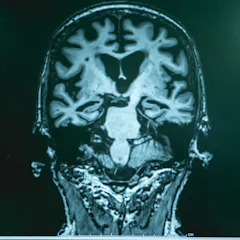
Disorders such as Alzheimer’s and epilepsy are difficult to diagnose with only occasional doctor visits. A new approach would allow fathering of extensive real-world data directly from patients.

Alzheimer’s disease is the most prevalent form of dementia. This is a term used to describe a range of symptoms linked to the decline in brain function with age.

Our study revealed that people who nap frequently have larger brain volume.

We live in a world where we frequently do not get enough sleep, but we need sleep if our brains are going to stay healthy and function efficiently.

Researchers are trying to understand whether ultraprocessed foods erode brain health in the aging process.

Canadian researchers are exploring unanswered questions about concussion: How to diagnose it accurately and quickly, how to predict outcomes and promote recovery, and how to prevent it altogether.

Action is needed to hold off a wave of dementia cases in an aging population. One of the most effective tools to reduce the prevalence of dementia is to address modifiable factors.

Our new research with mice visualised how differently aged brains pump out toxic protein waste during sleep.

It’s still unclear whether HRT can protect brain function and prevent dementia.

Like a Scrabble habit, a passion for Wordle isn’t likely to make you smarter or ward off brain aging. But it may give you a daily dose of complex cognition combined with social interaction.

Without this tiny, ubiquitous shellfish, the story of human life on Earth may have played out quite differently.

Pollution from more frequent floods and wildfires – exacerbated by the warming climate – is threatening human health and poses particular risks to the brain.

To stay healthy, it’s important to understand how wildfire smoke can harm your body and how to protect yourself.

It seems as though every other week there’s a study telling us coffee is good for us, or it’s bad for us. Here’s what to make of this new piece of research.

Mounting research shows that going for a swim can preserve memories, reduce mood disorders and increase mental acuity in all age groups.

In this new study, people who were overweight had fewer brain cells and lower levels of blood flow compared to people of a normal weight.

The tiny air pollutants known as PM2.5, emitted by vehicles, factories and power plants, aren’t just a hazard for lungs. A study finds more brain shrinkage in older women exposed to pollution.

Exercise plays an important part in preserving memory throughout our lifetime.

With fear of a diagnosis of Alzheimer’s a constant concern for many seniors, they turn to supplements. A recent study suggests they’d be better off keeping their money.
Top contributors
-

Professor of Biological Psychology, Loughborough University
-
Professor, Adjunct Research Fellow, School of Health Science, Swinburne University of Technology
-
Research Fellow, UQ School of Human Movement and Nutrition Sciences, The University of Queensland
-
Professor of Anatomy, Lancaster University
-
Research Fellow in Neuroimmunology, UCL
-
Affiliate Professor, Department of Family Medicine, McGill University
-
Assistant Professor, Faculty of Law, Bond University
-
Senior Nurse Lecturer, London South Bank University
-
Physical activity researcher, Deakin University | Lecturer in science communication, The University of Melbourne
-
Professor and Tier 1 Canada Research Chair in Developmental Neurogenetics, University of British Columbia
-
Professor of Public Health; Director, Centre for Public Health Research, Te Kunenga ki Pūrehuroa – Massey University
-
Lecturer in Cognitive Neuroscience, City St George's, University of London
-
Contract Lecturer in Digital Media, Toronto Metropolitan University
-
Professor of Behavioral Neuroscience, University of Richmond
-
Senior Lecturer in Healthy Ageing, The University of Queensland