
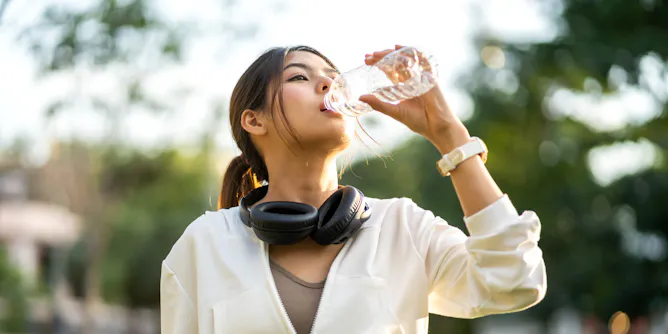
Plastic bottled water isn’t without risks to health and the environment.
Articles on Bottled water
Displaying 1 - 20 of 45 articles

Opposition to bottled water has primarily focused on blocking plants and increasing access to tap water. The closure of Ontario’s largest bottled water plant shows that these efforts can succeed.

Although the health benefits of fluoride have been well-documented for decades, some say its use infringes on personal choice.
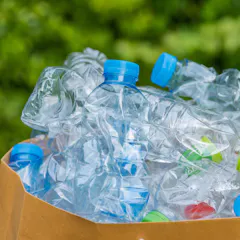
Are you considering buying fewer plastic bottles in the future? Maybe not, but now that the question has been asked, you’re bound to think about it.
Nanoplastics are the smallest microplastics, far narrower than a human hair. Very little is known about their composition, structure or how they break down in the environment.
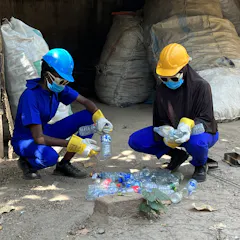
Banning single-use plastics in Nigeria is a step in the right direction. But its success will depend on provisions made for enforcement.
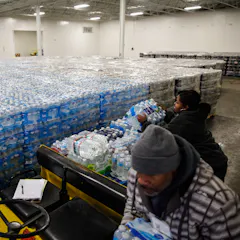
Dependence on bottled water weakens pressure to fix tap-water problems. Who pays the price?

The bottled water industry can undermine progress of projects aimed at creating safe-water systems for all, by redirecting attention to a less reliable, less affordable option.
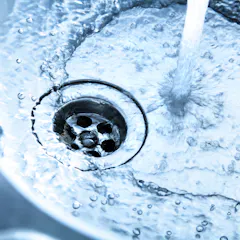
New research finds that tap water avoidance is on the rise in the US, especially among minorities. An expert on water and health calls for better public education about water quality and testing.
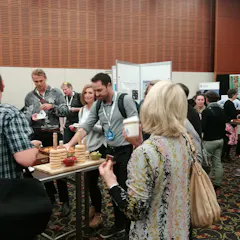
This year’s national conference of the Australian Marine Science Association is a plastic-free zone, as marine scientists aim to reduce the environmental burden of throwaway plastic.
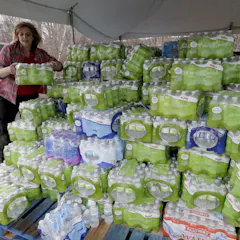
A grade of 92 is an A at most schools, but for tap water it means that millions of Americans drink water that fails to met federal standards.
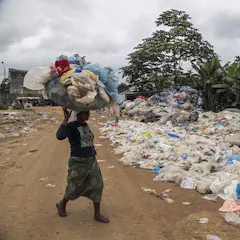
Poorer countries can now refuse shipments of plastic waste and slow the build-up of pollution on their shores.
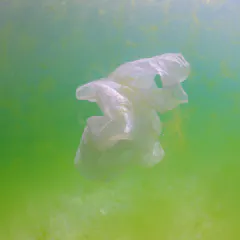
New research shows that chemicals leached from ocean plastic impair the growth and oxygen production of the planet’s most abundant photosynthesiser - endangering marine ecosystems and the climate.
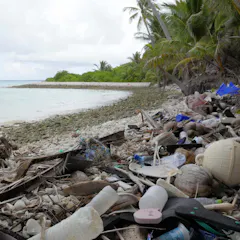
The entire Cocos (Keeling) Island group is a little more than twice the size of the Melbourne CBD. So it’s hard to envision 414 million debris items washed up there.
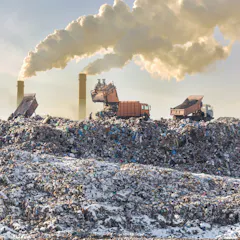
As well as polluting our seas, plastics are warming the planet too. Urgent changes are needed to eliminate plastic’s contribution to climate breakdown.
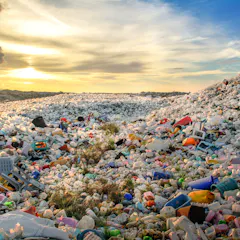
Without action, the amount of plastic waste produced globally could reach as much as 265 million tonnes per year by 2060.

New research finds tiny particles in the atmosphere had been carried nearly 100km. Should we be worried?
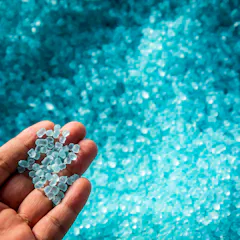
Nurdles are a raw feedstock used to make most of the plastic products we use everyday, but they’re flooding the ocean as “mermaid tears”.
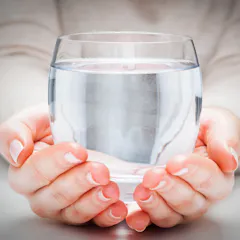
Nitrate in drinking water has been linked to an increased risk of colorectal cancer. That could have implications for some parts of New Zealand where nitrate levels are high.

Christmas is hectic, and it can be easy just to go with the flow and vow to cut your plastic use in the new year. But here are some easy steps you can take now to make your Christmas plastic-free.
Top contributors
-

Research Chair, Indigenous Approaches to Environmental Management, Keele University
-
Professor of Sociology, Portland State University
-
Professor in Forensic and Environmental Science, University of Staffordshire
-
Professor of Sustainable Development, Keele University
-
Lecturer in Human Geography and GIS, Keele University
-
Associate Professor in Environmental Science, Western Sydney University
-
Professor of Chem/Petroleum Engineering, University of Pittsburgh
-
Associate Professor in Law, The University of Melbourne
-
Director of Undergraduate Studies, School of Journalism, Media and Cultural Studies, Cardiff University
-
Senior Lecturer in Architecture, Queensland University of Technology
-
Professor of materials science and engineering, University of Waikato
-
Adjunct Research Fellow, Victoria University
-
Director, BehaviourWorks, Monash Sustainable Development Institute, Monash University
-
Adjunct Research Fellow, The University of Western Australia; Queensland University of Technology
-
Director of Health Programs, BehaviourWorks Australia; Lead, Monash-McMaster Social Systems Evidence Collaboration, Monash Sustainable Development Institute, Monash University