

Mangroves support a significant amount of biodiversity and their soils can capture a great deal of carbon.
Articles on Blue carbon
Displaying 21 - 40 of 45 articles
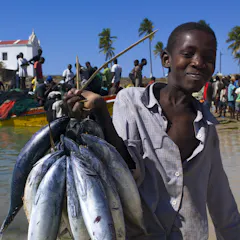
From planting mangroves to dumping minerals in the ocean, there are lots of ideas for ocean carbon dioxide removal – and even more questions.
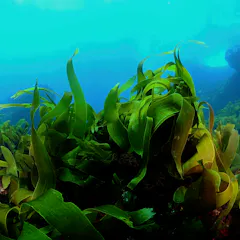
Our ocean forests of seaweed are enormous. But these quick-growing, life-supporting forests are already vanishing.

Millions of mangroves died off along Australia’s northern coast. The cause? El Niño - and the moon’s wobbly orbit causing extremely low tides.
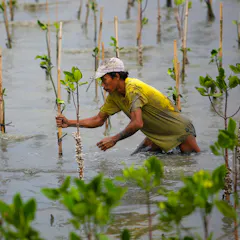
‘Blue carbon’ habitats can store a lot of carbon – but not reliably enough to offset emissions.
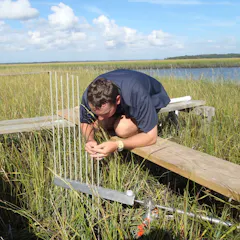
Tidal marshes can build up their soil to keep pace with sea-level rises – up to a point. It turns out the point when the marsh is drowned matches the average rise when global warming exceeds 1.5°C.
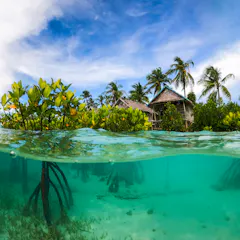
For decades, Indonesia’s mangroves have been degraded or turned into aquaculture. But there are signs of progress, with a new focus on restoration and income-generating alternatives.
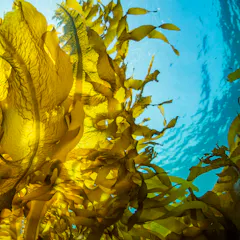
Seaweed was thought to be a vital tool in the fight to slow climate change. But it turns out seaweed ecosystems may be a natural source of carbon dioxide – and not a sink.

For over a decade, the inclusion of oceans in climate talks has been piecemeal and inconsistent. And yet, the ocean is critical to help balance the conditions we need to survive.
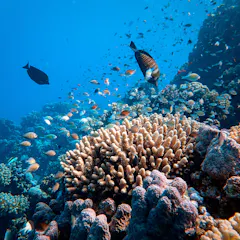
Work is still needed to collect more data on the carbon capture capacity of the country’s rich coastal ecosystems.

Rather than considering the job done, Tasmania should seize opportunities including renewable energy, net-zero industrial exports and forest preservation.
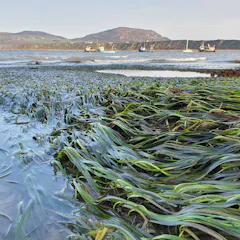
Seagrass meadows are a powerful ally in the effort to slow climate change and reverse wildlife losses.
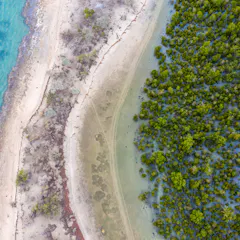
Despite their enormous value, mangroves are being removed at an alarming rate. A new tool aims to help communities reverse mangrove loss and tap into conservation programs and funding.
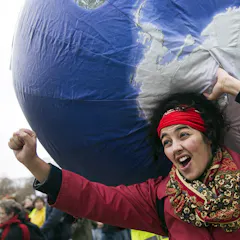
Done right, offsetting projects can benefit local people and make a measurable difference to carbon emissions.
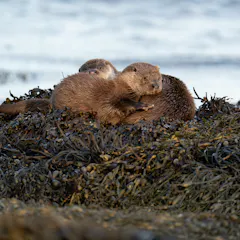
Is the UK government missing the wood for the trees?
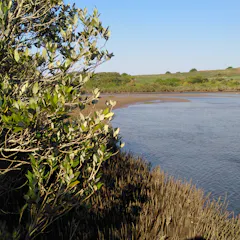
Scientists are building up a picture of how much carbon can be taken out of the atmosphere and stored in coastal ecosystems.

Icelandic whalers have killed more than 1,700 whales since a global ban was adopted in 1986 – up to 2019, when no hunts took place. Is Iceland quietly getting out of the business?
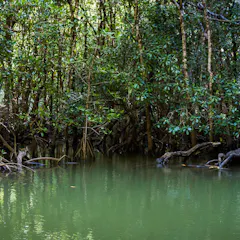
Blue carbon stored in coastal ecosystems is important, but it’s a poor fig leaf for Australia’s abysmal record on emissions.

Although less well known than its cousins, coral reefs and mangroves, seagrass plays a crucial role in climate change mitigation.
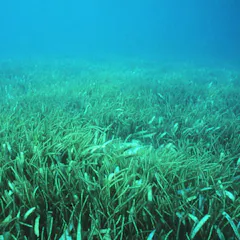
In a world-first, scientists have counted the greenhouse gas absorbed and emitted by Australia’s mangroves, seagrass and other ocean ecosystems.
Top contributors
-

Professor, School of Natural Sciences, Macquarie University
-
Research Associate, Institute of Coastal and Marine Research, Nelson Mandela University
-
Professor in the School of Geography and Sustainable Development, University of St Andrews
-
Senior Research Fellow in Marine Ecology, University of Otago
-
Professor of Marine Botany, The University of Western Australia
-
Lecturer in Blue Carbon, Edinburgh Napier University
-
Assistant Professor, School of Energy, Geoscience, Infrastructure and Society // CEO MarFishEco Fisheries Consultant Ltd, Heriot-Watt University
-
Research Fellow in Marine Science and Manager Whales & Climate Program, Griffith University
-
Senior Lecturer in Aquatic Biology, King's College London
-
Professor of Forestry, Universitas Gadjah Mada
-
PhD student, School of Biological Sciences, The University of Western Australia
-
PhD student, University of Manchester
-
Strategic Advisor in International Policy and Oceans, Monash University
-
Associate Professor and Senior Global Futures Scientist, Arizona State University
-
Distinguished Professor of Marine Science, King Abdullah University of Science and Technology