
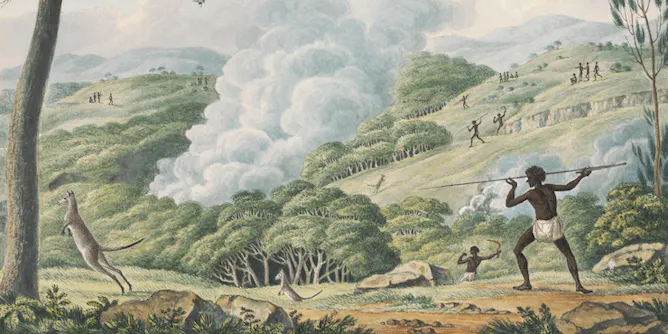
Researchers focused on a site in the Illawarra region of NSW, which holds a unique record into the past.
Articles on Black summer
Displaying 21 - 40 of 58 articles
Over 30 years ago, the world banned CFC chemicals to save the ozone layer. But now, climate-fuelled bushfire smoke is putting it at renewed risk
In one finding, fire authorities chose to save a few farm sheds over 5,000 hectares of national park. Clearly, our fire management needs a reset.
We need a way for our laws to protect both humans and nature when it comes to bushfire risk
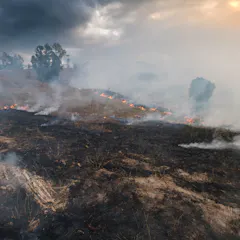
New research finds the Victorian town of Buchan never experienced catastrophic bushfires, until misguided laws banned the use of burning as a way to control the land.
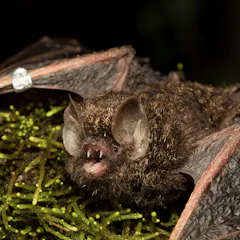
The tiny golden-tipped bat roosts in the nests of rainforest birds. But high intensity extreme fires can increasingly reach into their unburnt sanctuaries.
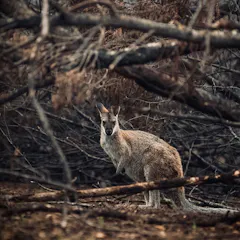
The paltry spending means many species severely impacted by the megafires were left in desperate trouble, potentially pushing some closer to extinction.
This election was a perfect storm for the Coalition, with fires, floods and international criticism dialing up the pressure for climate action. In the end, Australia made the decision for them.
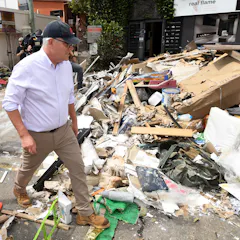
There is still an election to be fought, of course, but looking back from today it is not clear what the government’s legacy is – or might become.
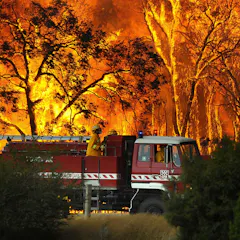
Indigenous fire management holds the key to a safer, more sustainable future on our flammable continent.
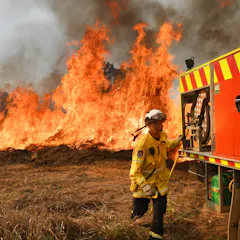
In this era of mega-fires, diverse strategies are urgently needed so we can safely live with fire.

Without changes, many birds will continue to decline or be lost altogether. But when conservation action is well resourced and implemented, we can turn the trend around.

Many plants are really good at withstanding bushfires, but the combination of drought, heatwaves and pest insects under climate change may push them to the brink.
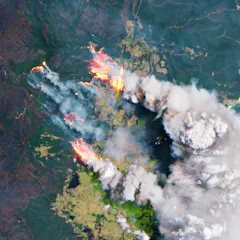
This enormous, unprecedented algal bloom could have profound implications for carbon dioxide levels in the atmosphere and for the marine ecosystem.
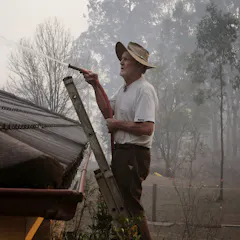
New research also identified steps people wished they’d taken to prepare for disaster, such as protecting sentimental items, planning a meeting place and better managing stress.

They overlook a vast body of evidence that crown fire – the most extreme type of fire behaviour in which tree canopies burn - is more likely in logged native forests.

Our research is deeply concerning because it signals there are no quick fixes to the ongoing fire crisis afflicting Australia, which is being driven by relentless climate change.
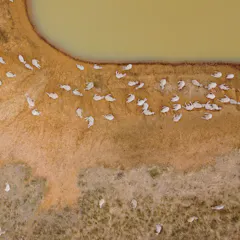
This is not an imaginary future dystopia. It’s a scientific projection of Australia under 3°C of global warming – a future we must both strenuously try to avoid, but also prepare for.
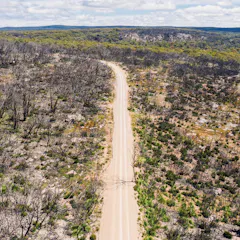
New research shows nature started its long road to recovery in 2020 – especially in NSW and Victoria. But overall conditions across large swathes of the country remain poor.
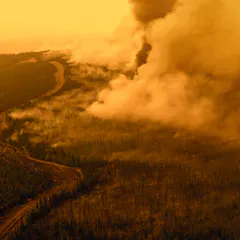
As bushfires become larger under climate change, the area exposed to intense and severe fires is likely to increase.
Top contributors
-

Professor of Pyrogeography and Fire Science, University of Tasmania
-
Senior Research Fellow, UNSW
-
Associate Professor, Hawkesbury Institute for the Environment, Western Sydney University
-
Research Fellow in Environmental Science, University of Tasmania
-
Professor in Biogeography, The University of Melbourne
-
Emeritus professor, La Trobe University
-
Associate Professor in Physical Geography, University of Nottingham
-
Deputy Head of School, School of Architecture and Built Environment, University of Newcastle
-
Associate Professor in Quantitative Ecology, The University of Melbourne
-
Adjunct Senior Lecturer, School of Architecture and Built Environment, University of Newcastle
-
Emeritus professor, University of Wollongong
-
Professor of Bushfire Dynamics, School of Science, UNSW Canberra, UNSW
-
Professor in Conservation Science, School of the Environment, The University of Queensland
-
Associate Professor, School of Architecture and Built Environment, University of Newcastle
-
Senior Lecturer in Environmental Earth Science, Deakin University