
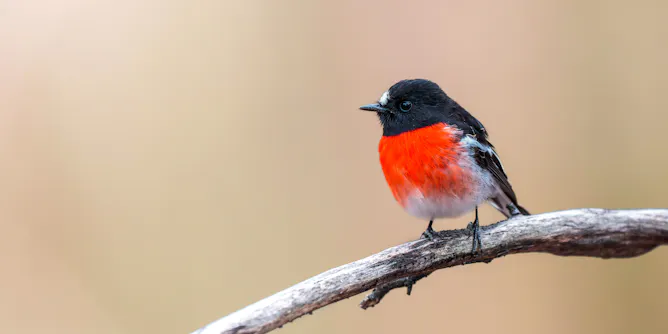
Research suggests all of the world’s songbirds can be traced back to Australia.
Articles on Birdsong
Displaying 1 - 20 of 32 articles
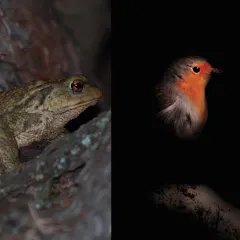
For biodiversity, it’s not just about switching off street lighting, it’s about knowing when and where to turn the lights off.
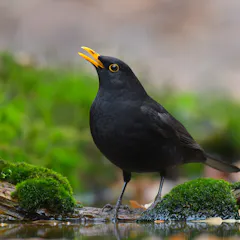
And what it reveals about local ecosystems.
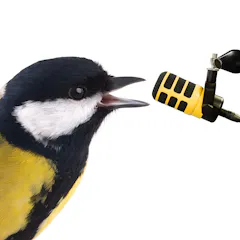
Do the birds singing in your garden or local park remind you of a musician?
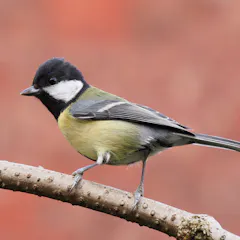
Paris is three decibels quieter than it was 10 years ago, thanks to an effective noise pollution campaign. But traffic noise still forces birds to sing at a higher pitch.

Listening to birdsong while walking in nature reduced both psychological and physiological markers of stress.
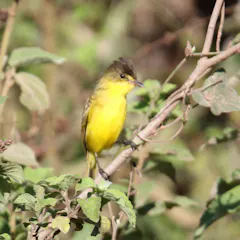
Warblers in high mountain wetlands change their dawn singing with temperature, rain, wind, humidity and moonlight, showing how weather shapes wildlife behaviour.
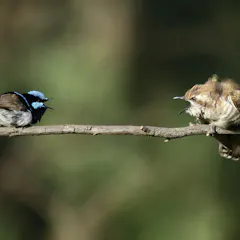
The findings of a new study about communication between birds also offer key insights into the origins of language.
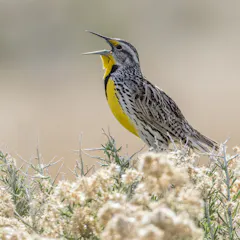
Listening to bird songs and calls can help identify species and connect with the sounds of nature. An ornithologist provides tips and tricks to bird by ear.
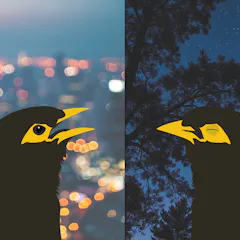
New research shows common mynas sang fewer and less complex songs after a bad night’s sleep. Poor-quality song could affect a bird’s ability to reproduce and survive.

Mountain chickadees follow systematic grammarlike rules to share important information, stringing together syllables like words in a sentence.
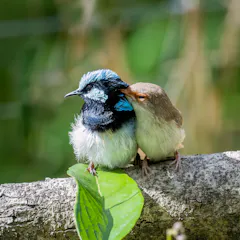
But the intricate melodies these colourful little birds sing don’t just indicate how they behave.
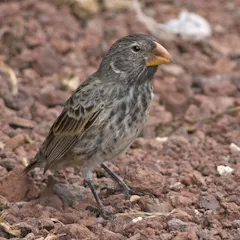
Researchers have discovered that massive beaks and strong bites hinder the velocity of beak movement in songbirds. The musical differences that result may have consequences for evolution.

To listen deeply to nature is to become aware of behaviours, relationships and patterns of interaction between multiple species – and to learn from what we hear.
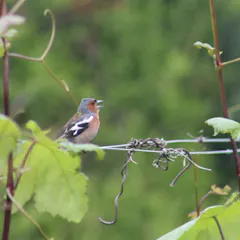
Research shows that vineyards with higher bird species richness had louder and more complex soundscapes. Here’s why that matters.

Better urban planning can help stem the loss of birds by protecting and connecting the areas of habitat they need to survive.
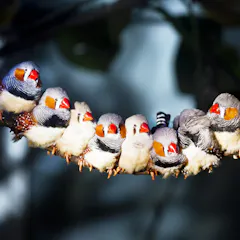
Birdsong plays a vital social role in the lives of these gregarious finches.
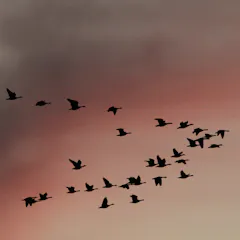
Satellite telemetry, tiny geolocation tags and passive acoustic recording are providing new insights into bird migration and vital data for conservation.
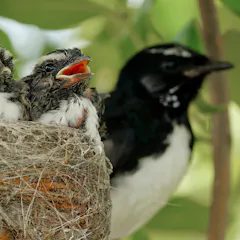
Somehow, female birds manage to hold their families together despite predators, harsh conditions and sometimes, a less-than-attentive partner.
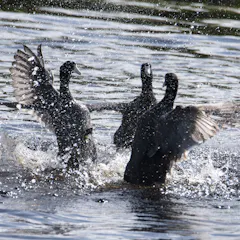
Birds will shriek and dive at each other over food, territory or mates, but only a small number of species sport actual weapons. The reason: Flying matters more for their survival than fighting.
Top contributors
-

Postdoctoral research fellow, Vanderbilt University
-
Assistant Professor of Biological Sciences, Vanderbilt University
-
Professor of Applied Ecology, University of East Anglia
-
Research Affiliate, Sydney Conservatorium of Music, University of Sydney
-
Professor of Biology, Clarkson University
-
PhD Candidate in Geography and Planning, Queen's University, Ontario
-
Research Fellow, The University of Melbourne
-
PhD candidate in Behavioural Ecology, Wageningen University
-
Professor, Australian National University
-
PhD candidate, University of the Free State
-
Associate Researcher, The University of Queensland
-
PhD Student in Organismic and Evolutionary Biology, UMass Amherst
-
Professor of Applied Ecology, Newcastle University
-
Professor of Biological Sciences, University of Maryland, Baltimore County
-
Associate Professor in History, The University of Melbourne