
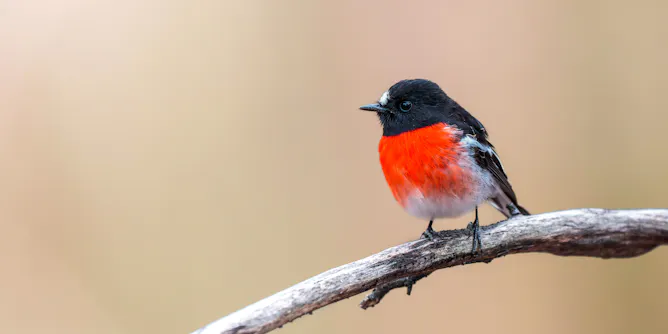
Research suggests all of the world’s songbirds can be traced back to Australia.
Articles on Birdwatching
Displaying 1 - 20 of 23 articles
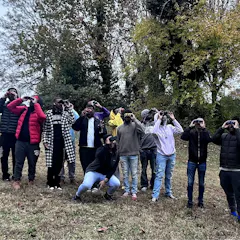
With social media communities and naturalist apps, birding is easier to get into than ever. A psychologist explains why it may also be just what the doctor ordered.
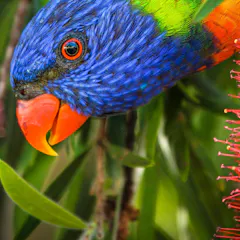
Long-term studies by citizen scientists help us understand changes in nature
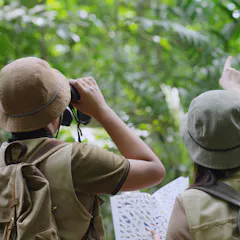
Citizen science offers people something simple but powerful: a reason to step outside, pay attention, and reconnect with the living world around them.
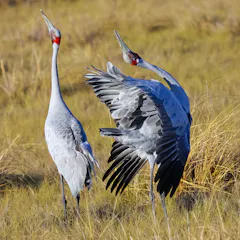
It’s entirely possible to see shy mountain pygmy-possums, alpine dingoes or furry cuscus with your own eyes – if you know where to go and how to look.
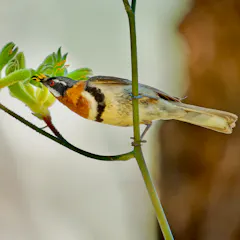
Months of hot and dry weather, with only 23mm of rain recorded over seven months, drove some species to seek food and water in the city.

Twitching can help promote feelings of positivity, improve mood and foster an affinity with nature
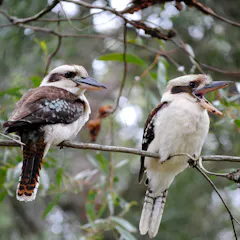
Birdwatchers have long known that to conserve nature, we need not only the intellectual expertise of science but also an emotional affinity with the living things around us.
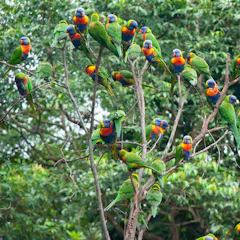
In April, BirdLife Australia survey numbers jumped to 2,242. That’s a tenfold increase from 241 in April last year.

As Black birdwatcher Christian Cooper learned in New York City’s Central Park, nature is seen as a white space and Black birdwatching as an aberration.
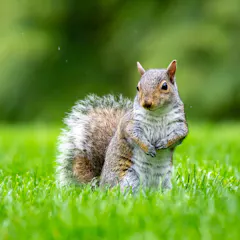
With careful observation, you can start to recognize that one sassy squirrel or the cardinal pair who call your neighborhood home.
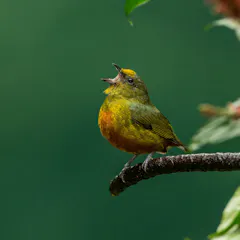
Birds spend a lot of time and energy singing, but they don’t do it the same way in every season of the year. And some can’t sing at all. What’s the purpose of birdsong?

Much of the money for wildlife conservation in the United States comes from taxes and fees paid by sportsmen. But as fewer Americans take up hunting, wildlife managers need other funding sources.
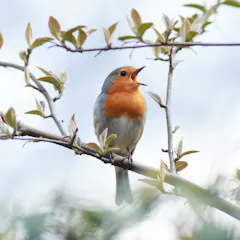
Both male and female birds sing to impress other birds, but as well as that, they do it for pleasure!
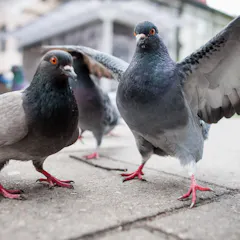
London should be one giant pigeon cemetery, but you rarely see the bodies.

A team of researchers led by Edith Cowan University have surveyed the PNG island of New Britain to see how the bird population is faring. There’s good news and bad news.
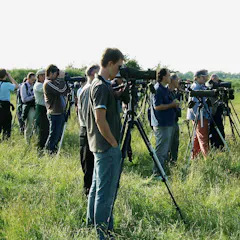
Fifteen charter planes arrived in Orkney after a red-windged blackbird was spotted.
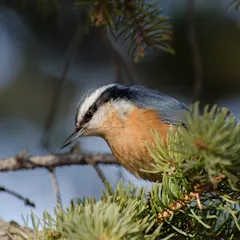
During bird irruptions, hundreds or thousands of a single species show up outside their normal territory. Most of what we know about irruptions comes from data collected by citizen scientists.
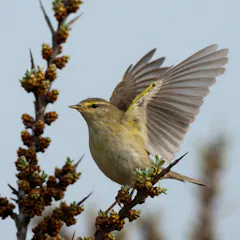
New research explains why habitat loss means male willow warblers now outnumber females – and that’s bad news for the species.

There are hundreds of places to see birds close to Australian cities.
Top contributors
-

Lecturer in Environmental Management, Murdoch University
-
Associate Professor, School of Environment and Science, Griffith University
-
Ph.D. Candidate in Biological Sciences, University of Maryland, Baltimore County
-
Ph.D. Candidate in Biological Sciences, University of Maryland, Baltimore County
-
Lecturer, University of South Wales
-
Research Fellow, The University of Melbourne
-
Associate Professor in Wildlife Conservation, Edith Cowan University
-
Professor of Applied Ecology, University of East Anglia
-
Course Director, MSc Biodiversity, Conservation and Management, University of Oxford
-
Senior Researcher in Biological Sciences, University of East Anglia
-
Assistant Professor in Environmental History, University of Nottingham
-
ARC Future Fellow, Queensland University of Technology
-
Curator of Ornithology, Florida Museum of Natural History, University of Florida
-
PhD Candidate, Social Justice Education, Ontario Institute for Studies in Education, University of Toronto
-
Reader in Animal Biology and Physiology, Royal Holloway, University of London