

Scientists and government agencies have been studying biofuel production from algae for years. Research points toward a more affordable and efficient production process that recycles water.
Articles on Biotechnology
Displaying 61 - 80 of 105 articles
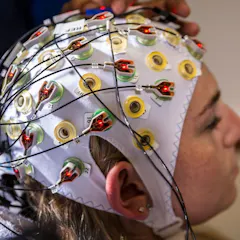
Brain-computer interfacing is a hot topic in the tech world, with Elon Musk’s announcement of his new Neuralink startup. Here, researchers separate what’s science from what’s currently still fiction.

Armed forces around the world are exploring technological and biological enhancements to their soldiers. But this raises a number of serious ethical concerns, before, during and after conflict.

Do androids smell electric roses?
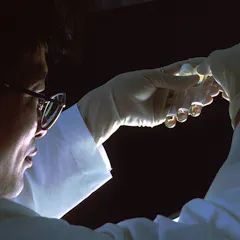
A scientific breakthrough in a vacuum may be free of ethical implications. But many developments can be used for good or evil, or both. There’s a fine balance on what to control and to what extent.

New research works out how to translate between the language of biology – molecules – and the language of microelectronics – electrons. It could open the door to new kinds of biosensors and therapeutics.

Individual light-harvesting protein complexes have a remarkable ability. Light, which is normally effectively harvested, is also used to finely control how much of it should be harvested.
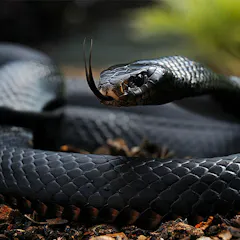
One way to tackle the snakebite antivenom crisis may be through biotechnological innovation to make antivenoms more cost-effective, easier to produce, and more efficacious against snakebites.
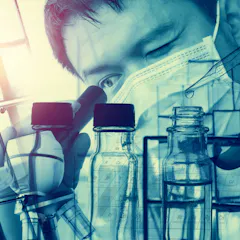
Science communication has grown in leaps and bounds over the past 60 years. It plays a crucial role in democratising science and making it less mysterious.
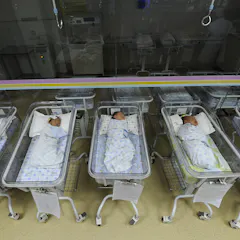
Regulations, funding and public opinion around genetically enhancing future generations vary from country to country. Here’s why China may be poised to be the pioneer.
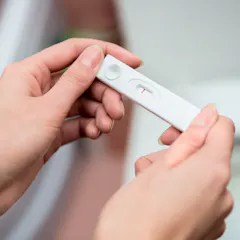
Developments in miniaturisation can give us point-of-care tests for grave conditions such as cancer and heart disease.

Smarter plant breeding practices are crucial in a world where climate change, deforestation and species reduction are an increasing problem.
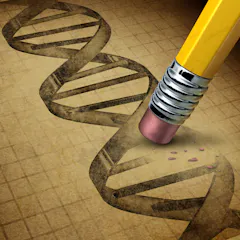
A recent closed meeting about building synthetic genomes raised suspicions about just what scientists were planning, away from the public eye.
U.C. Berkeley and the Broad Institute are fighting to control the patents on the revolutionary gene-editing technology. But there’s a lot more at stake than just who gets the credit and licensing fees.

Researchers face stiff fines or even jail time if they inadvertently communicate with foreign colleagues about matters deemed to have a military use.
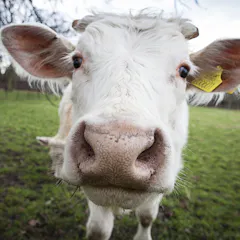
Genetically modified animals can help to feed the world’s burgeoning population, but there is still a lot of misinformation concerning its safety.
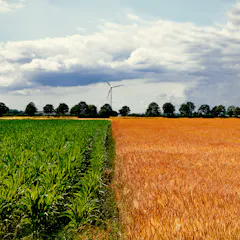
Why are half of European Union members opting out of GMO crops? Hint: it’s not about food and environmental safety.

What explains the huge gap between US and European consumers on GMO foods? A short history helps explain.

Clinton, who named drug companies among her enemies in this week’s debate, is pushing populist-inspired policies that could hamper the flow of new medicines.
A DNA-powered PC may not be on the horizon, but DNA can still compute even if it can’t build a computer.
Top contributors
-

Associate Professor and ARC Future Fellow, The University of Western Australia
-
President, Royal Society of New South Wales
-
Assistant Professor of Philosophy, UMass Lowell
-
Laureate Professor Emeritus, The Peter Doherty Institute for Infection and Immunity
-
Professor of Microbiology, Ladoke Akintola University of Technology, Ogbomoso
-
Doctoral Student in Biochemistry, University of Washington
-
Ph.D. Student in Bioengineering, Researcher at the Center for Sensorimotor Neural Engineering, University of Washington
-
Professor - Emerging Technologies (Stem Cells) at The University of Melbourne and Group Leader - Stem Cell Ethics & Policy at the Murdoch Children's Research Institute, The University of Melbourne
-
Associate Professor in Biophysics, University of Pretoria
-
Professor of Advanced Technology Transitions, Arizona State University
-
Senior scientist in plant biotech, Queensland University of Technology
-
Ph.D. Candidate, Duke University Program in Ecology, Duke University
-
Associate Professor of Public Policy and Women's Studies, University of Michigan
-
Professor, Abell Chair in Synthetic Biology, Colorado State University
-
Senior lecturer, University of Twente