
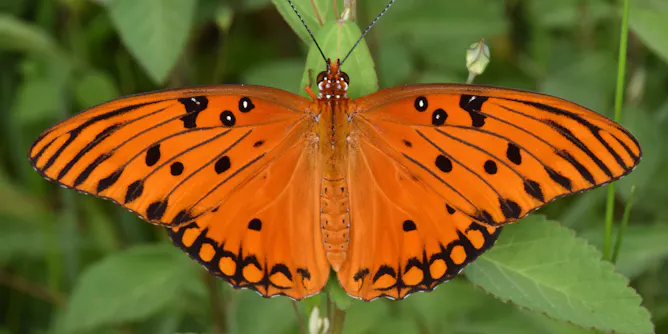
Heliconius butterflies eat high-protein pollen and seem to age well.
Articles on Biomimicry
Displaying 1 - 20 of 26 articles
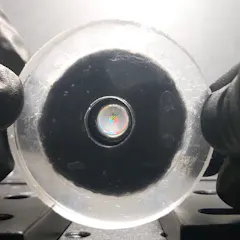
This lens modeled on biological eyes could make it easier to give soft machines and bio-safe tools the ability to see.
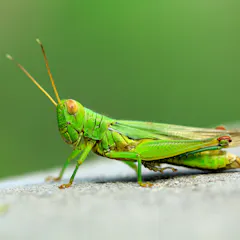
Countless engineering solutions are hiding in plain sight. We just have to look more closely at the natural world.
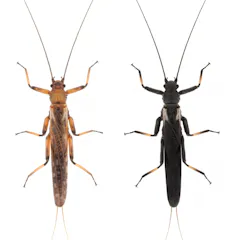
A new study shows that rapid loss of forests has prompted a colour change in stoneflies, caused by a genetic mutation. This means human change to the environment can drive evolution.
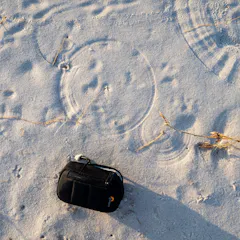
There appear to be two possible explanations for circular patterns with central depressions in Pleistocene deposits on the Cape coast.
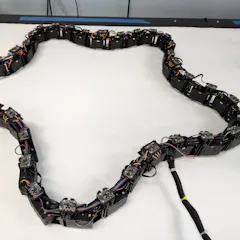
‘Loopy’ is a multicellular robot inspired by biology and designed to react to its environment without instructions on how to do so.
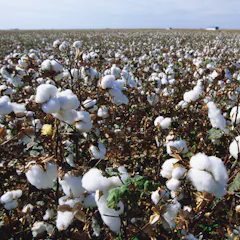
Cotton is one of the world’s largest crops and is harvested with large, heavy machines. Robotic harvesting could yield higher-quality cotton with less damage to plants and soil.
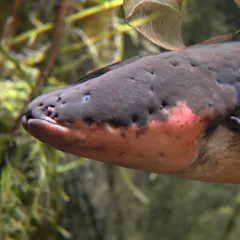
One species of eel can discharge 860 volts of electricity – that’s 200-fold higher than the top voltage of a single lithium-ion battery.

New breakwater designs and more sustainable materials can cut the carbon cost of coastal defences by 40%.

Artificial brains are far in the future, but computer chips that work like brains could keep computers advancing when today’s silicon transistor chips reach their limit.
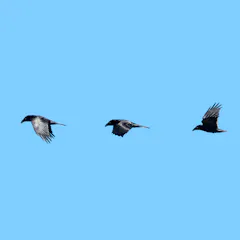
Inspired by the aerobatic manoeuvres of the swift, a new “flapping wing” aircraft can hover, glide and dive much better than quadcopter-style drones.
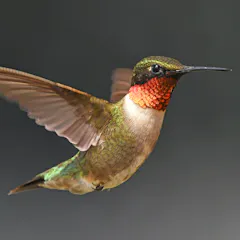
Studying bird evolution has led to engineering innovations, including drones that can fly sideways and backwards, and silent wind turbines.
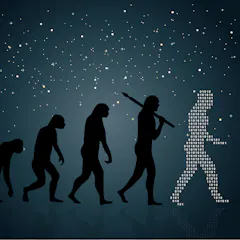
Artificial intelligence research owes a lot to biology and chemistry.

Soft robotics could help move us closer to more human-like robots.
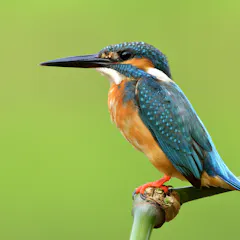
From kingfishers to dandelion seeds and bone tissue, natural organisms are the source of many radical human innovations in technology and medicine.
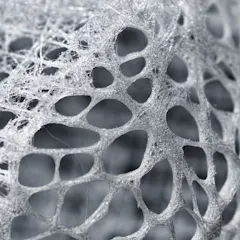
Bio-inspiration takes cues from natural structures that do certain things very effectively. One example: the strong but flexible fibers that sea sponges use to anchor themselves to the ocean floor.
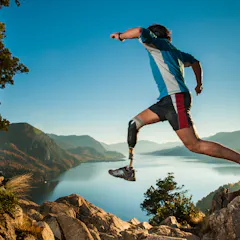
The best prosthetics feel more like the real thing.

Cleanliness is next to godliness. Did you know hairiness is a part of the equation as well?
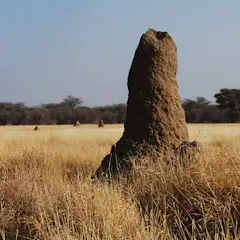
They’re the soil-builders that allow Africa’s arid savannas to be lush grasslands. What do they do inside their huge mounds – and how does a collective mind allow them to do it?

A simple experiment with plastic straws, Lego bricks and a hair dryer is the basis for a future surgeon’s sensitive tools.
Top contributors
-

Reader in Bioengineering, University of Cambridge
-
Professor of Environmental and Forest Biology, State University of New York College of Environmental Science and Forestry
-
PhD Student in Solid Mechanics, Brown University
-
Professor of Chemical and Materials Engineering, University of Alberta
-
Professor of Mechanical Engineering and Biology, Adjunct Professor of Physics, Georgia Institute of Technology
-
Lecturer in mechatronics, University of Cambridge
-
Professor of Visual Neuroscience and Robotics, The University of Queensland
-
Assistant Lecturer, University of Lancashire
-
Assistant Professor of Integrative Biology & Computer Science and Engineering, Michigan State University
-
Assistant Professor in the Experimental Zoology, Wageningen University
-
Professor, Trinity College Dublin
-
Research Affiliate, Sydney Conservatorium of Music, University of Sydney
-
Associate Professor of Evolutionary Ecology, Monash University
-
PhD Candidate in Mechanical Engineering, West Virginia University
-
Postdoctoral research fellow, The University of Queensland