

Canada needs to move towards a carbon-neutral economy, and the biomass sectors have a key role to play in this transition.
Articles on Bioenergy
Displaying 1 - 20 of 32 articles
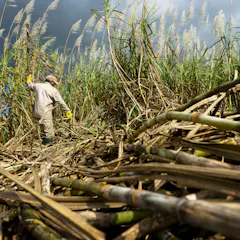
Burning sugarcane trash is common in South Africa. With support small-scale sugarcane farmers could turn this plant waste into bioenergy.

Producing energy from harvested trees and other plants – bioenergy – might sound like a greener option, but it’s not a simple issue.

‘Beccs’ faces lots of problems. A global switch away from meat could help address them.
Energy inequality will have to reduce substantially by 2050 to maintain a safe climate and decent living standards for all.
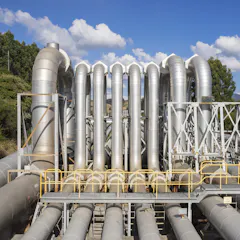
Our research shows NZ’s potential to burn forestry waste and capture the emissions in geothermal wells. But we’ll need new partnerships between power generators, manufacturers and the forestry sector.

The roadmap predicts that by the 2030s, the sector could boost Australia’s annual GDP by around A$10 billion, create 26,200 jobs and reduce emissions by about 9%.

Removing carbon from the atmosphere is as much a social problem as a technical one.

Carbon has overshadowed forests in climate policies, leading to practices that appear green but actually harm forests.

Making biofuels from crops grown on land poses trade-offs between food and fuel. A new study looks offshore.
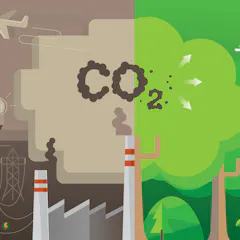
Zero emission? Carbon neutral? Carbon negative? What does it mean to achieve ‘net-zero’ emissions?

The Paris Agreement set countries on a path to limit global warming. Five years on, some progress has been made, but not enough. Decarbonizing the economy will take leadership and imagination.

Research by author and her students about palm oil waste water processing using Microbial Fuel Cells at the Faculty of Biotechnology, Atma Jaya Catholic University of Indonesia
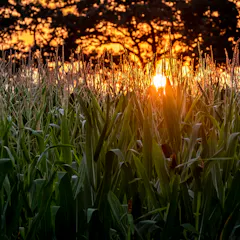
Energy Minister Angus Taylor is this week expected to release the government’s first Low Emissions Technology Statement. It’s likely to include ways to remove CO₂ from the air – but do they work?
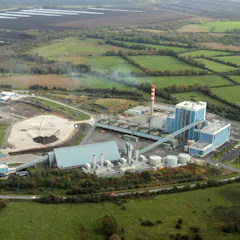
Ireland needs to stop burning peat, and wood from down under presents a surprising sustainability dilemma.
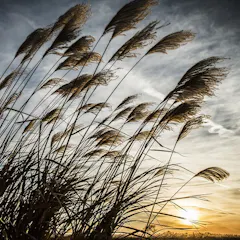
In the eastern reaches of Siberia, scientists discovered plants with exceptional cold tolerance that could be the key to sustainable bioenergy production.
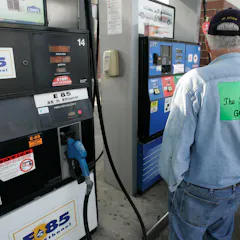
Vehicles made before 2001 could suffer fuel system or engine damage if they’re run on E15.

Delays on climate action to reduce emissions means that we may have to consider technologies that strip carbon dioxide from the atmosphere. But that will come at a cost.
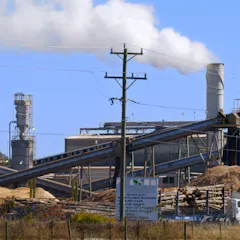
Deriving fuel from trees costs more than wind and solar power and it emits more carbon than coal. There are many heated debates about this kind of energy, known as forest or woody biomass.

New research calculates the huge cost of ‘negative emissions’ technologies that will be required to avoid dangerous climate change.
Top contributors
-

Adjunct Professor, University of New England
-
Professor and Director Centre for Agricultural Engineering, University of Southern Queensland
-
Professor of Forestry Operations, University of the Sunshine Coast
-
Senior Lecturer in Chemical and Renewable Energy Engineering, University of Newcastle
-
Professor of Sustainable Chemistry, Griffith University
-
Postdoctoral Research Associate, University of Illinois Urbana-Champaign
-
Principal Research Scientist, Climate, NSW DPI
-
Professor Emeritus of International Environmental Policy, Tufts University
-
Assistant Director of the Global Systems Institute, University of Exeter
-
Professor of Catalysis and Research Director, Aston University
-
Professor, ARC Future Fellow & Founding Director, Sir Ian Potter NanoBioSensing Facility, RMIT University
-
Senior Lecturer and Head of Sociology, University of Aberdeen
-
Professor of Business Development and State Energy Specialist, University of Wisconsin-Madison
-
Professor of Forest Ecology and Forestry, University of Vermont
-
Director, Cambridge Centre for Climate Change Mitigation Research (4CMR), University of Cambridge