
Australia is among many countries working to protect and restore nature at scale. But long-awaited environmental law reforms won’t help much as they stand.
Articles on Biodiversity
Displaying 81 - 100 of 1178 articles
Natural spiderwebs are good at capturing DNA from the environment, but artificial webs are cheap and provide better control – without harm to spiders.
Labor’s long-awaited environmental reforms do represent progress. But ambition levels have been dialled back and much depends on the detail.
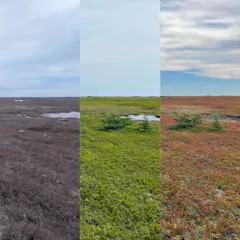
The PeatPic Project used over 3,700 smartphone photographs from 27 peatlands in 10 countries to gather data about how climate change is impacting them.

Many of these extraordinary places are increasingly at risk due to escalating climate change, invasive species, and and a lack of consistent funding to protect them.
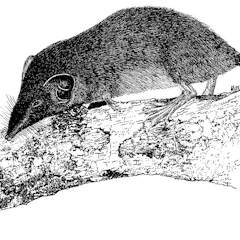
Australia’s only known shrew has been declared extinct. Its loss emphasises the need for national protection of Australia’s rare and unique wildlife.
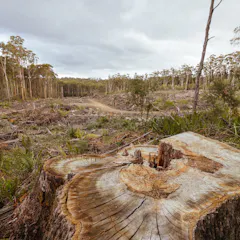
Labor is close to a deal on its environmental law reforms. Will they strong enough to protect nature?
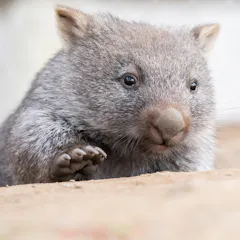
Wombats’ whiskery noses help them snuffle for food, navigate burrows and sense friend or foe.
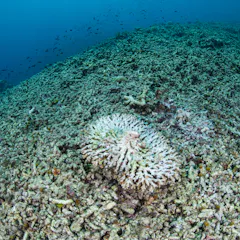
Blast-fished reefs are unlikely to recover naturally without human intervention.
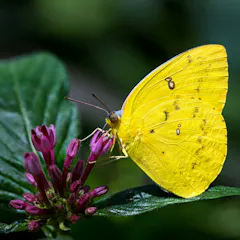
Urban sprawl has forced native animals and humans to live close together. Here are eight ways to make your home a refuge for wildlife.
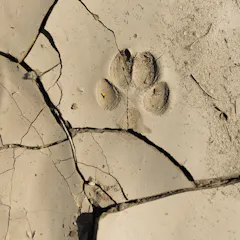
From snails to skunks, squirrels to cicadas, most of our neighbors are quiet and seldom interact with us, but they play important roles in the world.

A new paper highlights the importance of assessing social feasibility before reintroductions of predators like pine martens take place to ensure success.
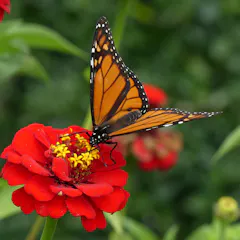
Climate stability and economic health depend on biodiversity. Yet this foundation is hardly mentioned as the federal government seeks to shore up Canada’s economic future.
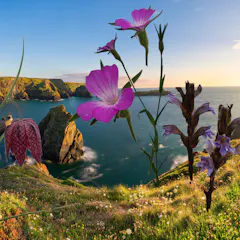
The author, an obsessive plant hunter, has created a botanical resource for Britain like no other.
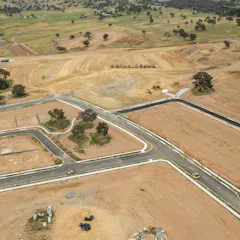
A healthy economy relies on healthy natural systems. But at the economic roundtable, this fact was all but absent.

Advances in imaging, text recognition and machine learning are transforming what can be done with collections of plants and fungi in herbaria and museums globally.
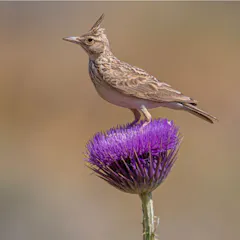
Iran’s accelerating biodiversity crisis is a warning sign, but it does not exist in isolation.
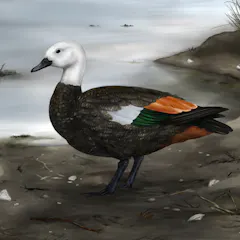
Many birds on Rēkohu Chatham Islands show how ‘island syndrome’ influences evolution – they are distinct but remain closely related to species on the mainland.

Cool autumns and dry springs could help earwig populations recover.

Research genomic data shows that small island animal populations are more resilient than we thought.
Top contributors
-

Professor in Wildlife Ecology and Conservation, School of Life & Environmental Sciences, Deakin University
-
Professor in Conservation Science, School of the Environment, The University of Queensland
-
Professor, Urban Ecology and Biodiversity, The University of Melbourne; RMIT University
-
Distinguished Professor of Ecology, Fenner School of Environment and Society, Australian National University
-
University Fellow in Biodiversity, Charles Darwin University
-
Professor of Conservation Biology, Charles Darwin University
-
Professor in Conservation Science, School of Ecosystem and Forest Science, The University of Melbourne
-
Distinguished Research Professor and Australian Laureate, James Cook University
-
Professor of Conservation and Sustainable Livelihoods, Charles Darwin University
-
Senior Lecturer, Public Sector Management, School of Business, UNSW
-
Professor of Environmental Management, The University of Queensland
-
Professor, Conservation Biology, The University of Queensland
-
Ecologist and Researcher, Flinders University
-
Professor, TC Beirne School of Law, The University of Queensland
-
Lecturer, School of Environment and Science, Griffith University