

The wine industry has a major sustainability problem. Informed consumer choice can help drive real change.
Articles on Biodiversity
Displaying 341 - 360 of 1178 articles
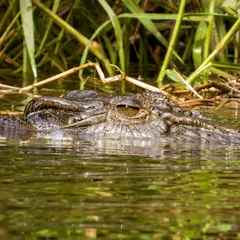
Invasive species such as deer, pigs and rabbits might help boost native predator populations.
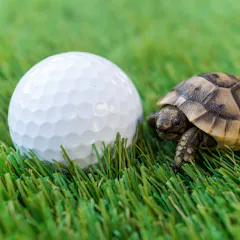
A herd of javelinas wrecked a pristine golf course. Is this rewilding in action?
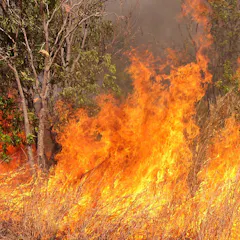
Grassfires are normal in central and northern Australia. But fast-growing invasive grasses are supercharging grassfires – and this summer looks like it will be big.
The impact of agricultural issues extends far beyond the farming community. Current social crises, including biodiversity loss and food inaccessibility, affect everyone.
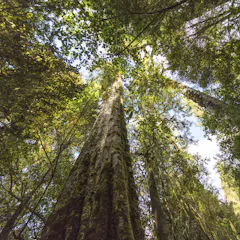
Pine grows faster and sequesters more carbon. But native forest is better for biodiversity in the long run. Transitioning between the two offers a win-win solution.
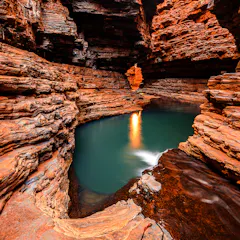
What happens underground doesn’t stay underground. If we overexploit groundwater and kill off its species, we put surface species – including us – at risk.

A new report from the Biodiversity Council reveals the disturbing effects of artificial light on
Australia’s nocturnal animals. Here’s how you can help wildlife at Christmas and all year round.
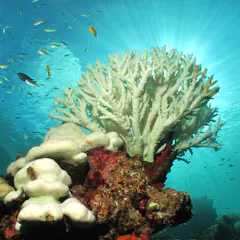
Areas of the world where species are exposed to potentially dangerous temperatures are due to get much bigger.
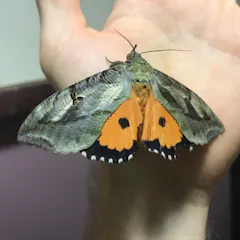
An ecologist, a mathematician and a taxonomist were locked down together in a suburban house. So they counted all the species of plants and animals they could find.

Nature, everyone agrees, is in trouble. But can Australia’s new market-based mechanism help?
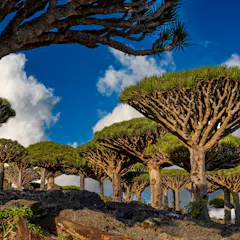
Long a well-kept secret, the archipelago of Socotra is one of the most biodiverse on earth. But the Emirates have other plans for its main island, with which it has long cultivated ties.
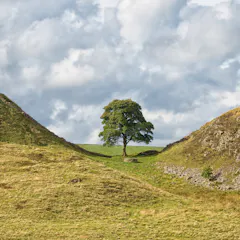
The felling of iconic trees is a highly emotive issue – but the damage needs to be repaired with care.
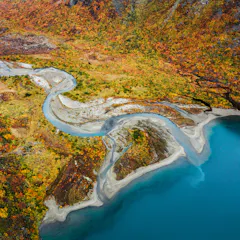
For decades, scientists have tried to uncover the cause of long-term changes in Earth’s biodiversity. New simulations point at geography playing a critical role.
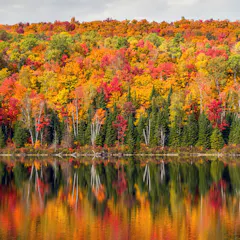
Research shows that the distribution of temperate hardwoods (sugar maple, red maple and yellow birch) could be shifting northward, which would have serious consequences for the boreal forest.
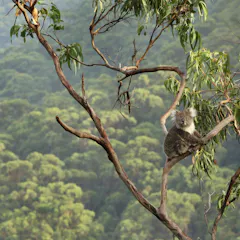
To protect nearly a third of Australia by decade’s end will mean expanding our national parks, Indigenous Protected Areas and protection across private land.
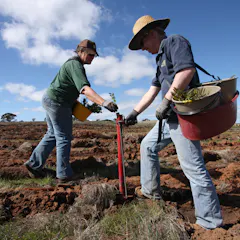
Carbon farming has its problems, but we shouldn’t write it off. After all, good projects can store carbon – and bring back habitat.
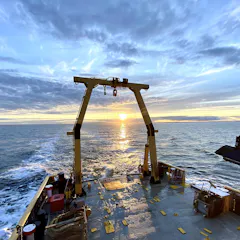
The waters of the St. Lawrence are running out of breath and bottom-dwelling organisms are already feeling the effects. Here’s how ecosystems are reacting.
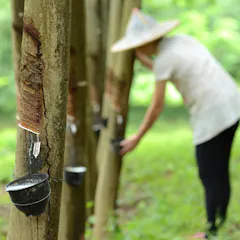
Rubber plantations are replacing forests, particularly in tropical regions.

Every living thing leaves traces in its environment. By sampling water or even air for this environmental DNA, we can know which species live where.
Top contributors
-

Professor in Wildlife Ecology and Conservation, School of Life & Environmental Sciences, Deakin University
-
Professor in Conservation Science, School of the Environment, The University of Queensland
-
Professor, Urban Ecology and Biodiversity, The University of Melbourne; RMIT University
-
Distinguished Professor of Ecology, Fenner School of Environment and Society, Australian National University
-
University Fellow in Biodiversity, Charles Darwin University
-
Professor of Conservation Biology, Charles Darwin University
-
Professor in Conservation Science, School of Ecosystem and Forest Science, The University of Melbourne
-
Distinguished Research Professor and Australian Laureate, James Cook University
-
Professor of Conservation and Sustainable Livelihoods, Charles Darwin University
-
Senior Lecturer, Public Sector Management, School of Business, UNSW
-
Professor of Environmental Management, The University of Queensland
-
Professor, Conservation Biology, The University of Queensland
-
Ecologist and Researcher, Flinders University
-
Professor, TC Beirne School of Law, The University of Queensland
-
Lecturer, School of Environment and Science, Griffith University