
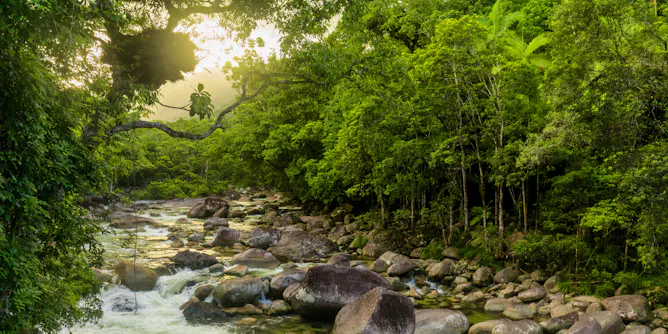
Australia’s ancient Wet Tropics are enormously rich in species. But these tight-knit ecosystems might be at risk from cascading extinctions
Articles on Biodiversity
Displaying 261 - 280 of 1178 articles

Conflicts between herders and the wild ancestors of their yaks, camels and reindeer are a serious threat to both people and wildlife, writes a scientist who has seen these clashes firsthand.
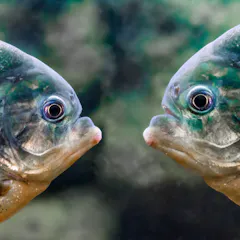
Appearances can be deceptive but genomes not so much – this has huge implications for measuring biodiversity.

In a world dominated by fast fashion, building a slower wardrobe is the key to living more sustainably, saving money and standing out among the crowd.
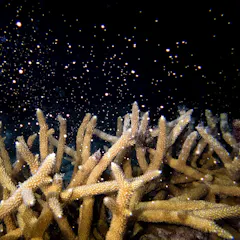
Coral reefs share genetic material across wide areas, with help from ocean currents. This ability is especially important during episodes like the mass bleaching currently occurring.
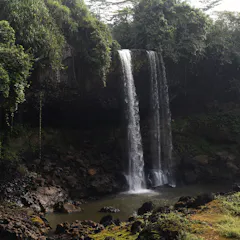
Freshwater biodiversity receives less conservation attention, especially in Nigeria.
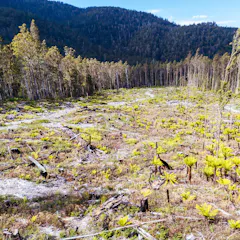
Two states have banned native forest logging, but it’s still happening in the others.
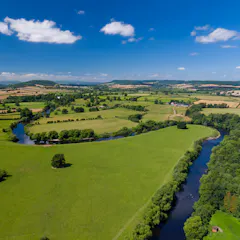
Our research suggests environmental DNA analysis could transform traditional ways of monitoring freshwater ecosystems.
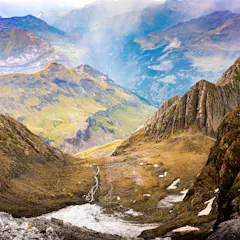
Researchers have been estimating the vast numbers of insects, including many pollinators, migrating at one location in the Pyrenees. But climate change and habitat loss could affect their abundance.
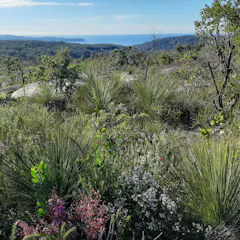
The need to restore native vegetation is clear, but we can’t properly repair nature without good, diverse supplies of native seeds.
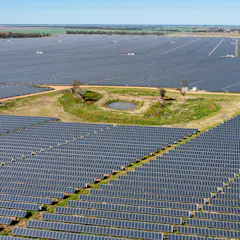
Rapidly reaching net-zero is vital to avoiding the worst ravages of climate change. But doing so in a way that damages nature is self-defeating.
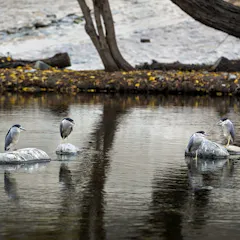
Even in a concrete jungle like Los Angeles, wild species show up in surprising places. New research identifies the types of wildlife that best tolerate urban development.
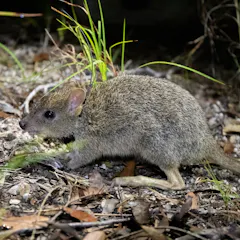
Australia is likely to have a new environmental data agency. Here’s what it’s for – and why we need it.

Rewilding is about finding ways to let nature thrive and regenerate. Around the world, cities and community projects are doing just that.
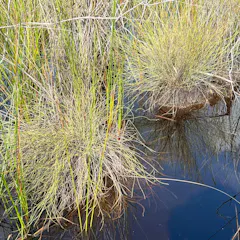
Uniquely, an Australian subtropical peatland ecosystem exists that is not only resilient to the frequent bushfires, but actually needs fire to survive.

Not all reparations involve money. Returning unique scientific resources is also a way of showing respect and righting past harms.
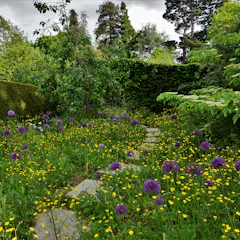
A little corner of the garden set aside for wildlife can make a huge difference, if we all do it.
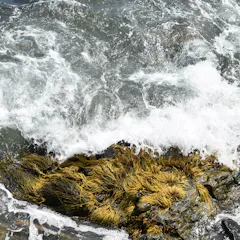
Underwater rivers ferry large volumes of seaweed from shallow seas into the deep, where its carbon is stored naturally

Biodiversity efforts in B.C. lack co-ordination with real implications for conservation efforts. These are the way in which this must change.
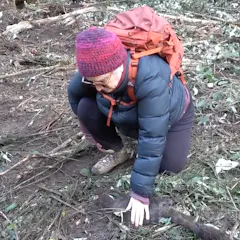
Native forest logging was meant to be over in Victoria. Why are the chainsaws still going?
Top contributors
-

Professor in Wildlife Ecology and Conservation, School of Life & Environmental Sciences, Deakin University
-
Professor in Conservation Science, School of the Environment, The University of Queensland
-
Professor, Urban Ecology and Biodiversity, The University of Melbourne; RMIT University
-
Distinguished Professor of Ecology, Fenner School of Environment and Society, Australian National University
-
University Fellow in Biodiversity, Charles Darwin University
-
Professor of Conservation Biology, Charles Darwin University
-
Professor in Conservation Science, School of Ecosystem and Forest Science, The University of Melbourne
-
Distinguished Research Professor and Australian Laureate, James Cook University
-
Professor of Conservation and Sustainable Livelihoods, Charles Darwin University
-
Senior Lecturer, Public Sector Management, School of Business, UNSW
-
Professor of Environmental Management, The University of Queensland
-
Professor, Conservation Biology, The University of Queensland
-
Ecologist and Researcher, Flinders University
-
Professor, TC Beirne School of Law, The University of Queensland
-
Lecturer, School of Environment and Science, Griffith University