
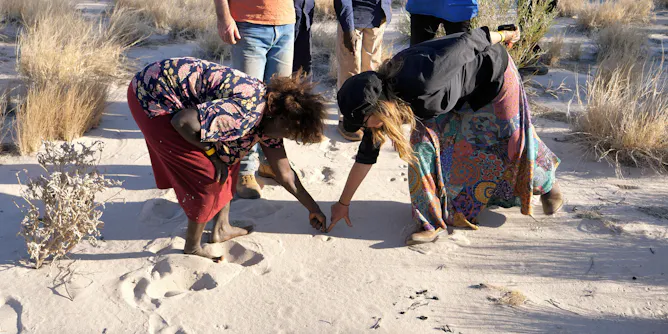
Footprints, droppings, diggings and other signs left behind by animals reveal a lot to a skilled observer. Indigenous knowledge feeds into one of Australia’s largest wildlife monitoring endeavours.
Articles on Biodiversity
Displaying 221 - 240 of 1178 articles

How ‘corporate disclosures’ are supposed to help Earth’s biodiversity.
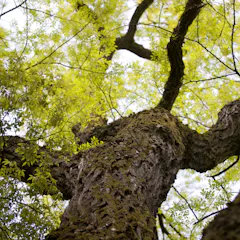
Invasive species are not always harmful; some can even provide key benefits to native habitats in an era of climate change. Canadian conservation efforts should embrace the movement of species.
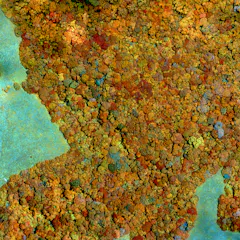
Rsearch fellow Laura Cinti talks to The Conversation Weekly podcast about her quest to find a female version of the endangered E. woodii cycad using drones and AI.
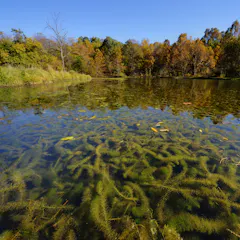
Freshwater ecosystems in Canada, and around the world, are more fragile than they look and vulnerable to invasive species. Canada’s lakes and rivers require constant vigilance to protect from invasion.
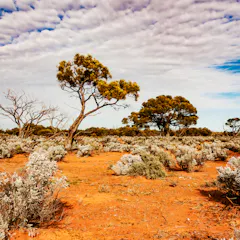
Australia’s main environment laws have long been regarded as not fit for purpose. But efforts to strengthen environmental protection have met huge pushback.
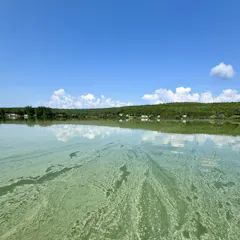
New techniques monitor the health of lakes in real time by analyzing their microbiome to anticipate and respond to environmental threats such as cyanobacteria.
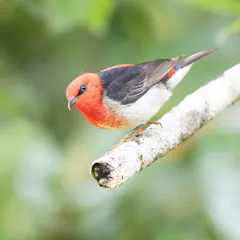
Better urban planning can help stem the loss of birds by protecting and connecting the areas of habitat they need to survive.
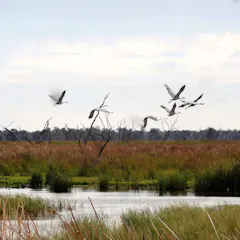
For the Kamilaroi of north-western New South Wales, the brolga and bittern are vital to culture. But conservation often doesn’t account for cultural knowledge or significance.

Conservative, socialist or nationalist, what’s best for biodiversity? The results may surprise you. We studied 165 nations, examining threatened species numbers and the extent of protected areas.

There is ample evidence showing Indigenous Peoples and their territories are essential to the world’s biodiversity. We don’t need an unsupported statistic to prove it.
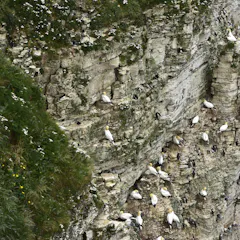
A torrid few years of widespread disease have pushed several species closer to extinction.
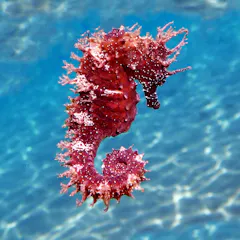
With 88% of its native fauna gone, the Mediterranean took 1.7 million years to recover from the worst extinction event in its history.
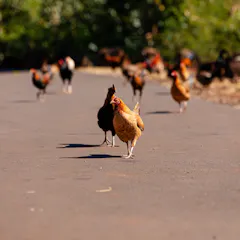
Wherever humans set foot, they bring with them invasive exotic species. Some animals and plants that are particularly useful to humans are now found all around the globe.

The two leading supporters of the ‘inclusive wealth’ metric, the UNEP and World Bank, can’t agree on how it should be measured.

Engaging and scientifically accurate children’s books on Australian animals are sorely lacking. Fostering more collaboration between authors and scientists can enrich children’s literature.
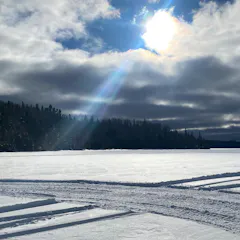
Canadians are no strangers to cold winters, when everything in nature appears to be frozen solid. However, under the ice cover of lakes, many animals remain active during the winter.

The United Nations Framework Convention on Climate Change and its Convention on Biological Diversity are separate platforms, but climate change and biodiversity loss urgently require a joint approach.
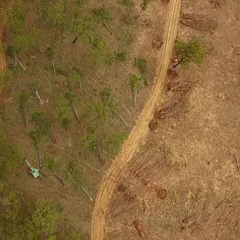
Three years ago, Australia pledged to end deforestation by decade’s end. But land clearing continues due to legal exemptions and a lack of enforcement
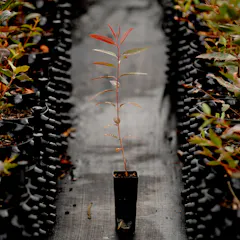
Nature can provide solutions to problems such as biodiversity loss and climate change. But the best nature-based solutions are resilient to disturbance such as fire or drought and future change.
Top contributors
-

Professor in Wildlife Ecology and Conservation, School of Life & Environmental Sciences, Deakin University
-
Professor in Conservation Science, School of the Environment, The University of Queensland
-
Professor, Urban Ecology and Biodiversity, The University of Melbourne; RMIT University
-
Distinguished Professor of Ecology, Fenner School of Environment and Society, Australian National University
-
University Fellow in Biodiversity, Charles Darwin University
-
Professor of Conservation Biology, Charles Darwin University
-
Professor in Conservation Science, School of Ecosystem and Forest Science, The University of Melbourne
-
Distinguished Research Professor and Australian Laureate, James Cook University
-
Professor of Conservation and Sustainable Livelihoods, Charles Darwin University
-
Senior Lecturer, Public Sector Management, School of Business, UNSW
-
Professor of Environmental Management, The University of Queensland
-
Professor, Conservation Biology, The University of Queensland
-
Ecologist and Researcher, Flinders University
-
Professor, TC Beirne School of Law, The University of Queensland
-
Lecturer, School of Environment and Science, Griffith University