
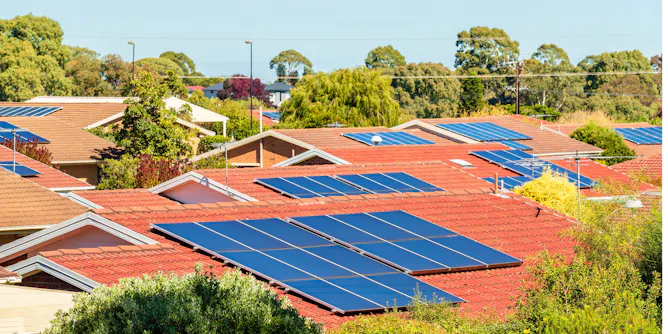
Seeing solar around your neighbourhood is a surprisingly large reason you might choose to do the same.
Articles on Better Cities
Displaying 41 - 60 of 397 articles
Shifting transport from air and road to sea and rail has untapped potential to slash emissions.

The death toll on Australian roads in July was almost a third higher than the five-year average. The 12-month toll was the highest since 2012. A lower speed limit will save lives.
Increased investment in electricity generation, transmission and storage has led to a more positive outlook for the reliability of the system – if these projects are delivered on time.

Construction activity will use up almost half of the world’s remaining carbon budget to keep global warming under 1.5°C unless we totally rethink our approach.
Between them, the Queensland and ACT trials of almost free and free public transport could change how fares are set in Australia.
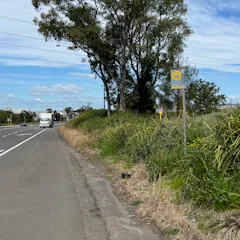
Upgrading Sydney’s bus stops would greatly improve access, equity, comfort and dignity for public transport users – at much less cost than the new rail project.

Even the type of street trees planted in a city can make a huge difference.
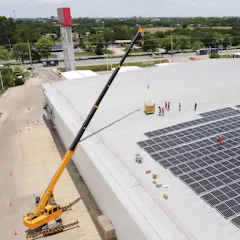
Cities have a large and mostly untapped power source: the rooftops of commercial buildings.
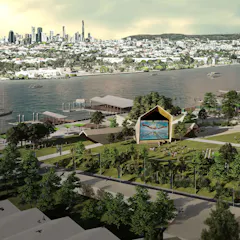
Brisbane is aiming to be the first Olympic Games host to make carbon savings greater than the emissions the event produces. That’s easier said than done, so what’s the plan to achieve this goal?
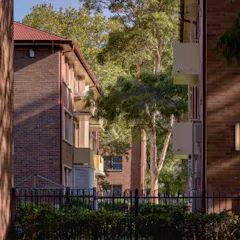
Our research shows decent homes could be lost – and the social and environmental costs of demolition should not be ignored.

Shared e-scooters have safety features that private e-scooters lack, but accident data don’t distinguish between them, nor tell us about the economic and environmental harms of other transport modes.
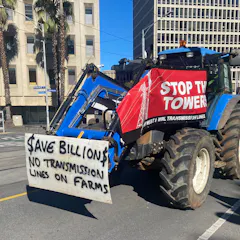
The scale of the challenge of hitting Australia’s renewable energy target points to the need for a more standardised and inclusive approach to sharing the benefits than we have seen so far.
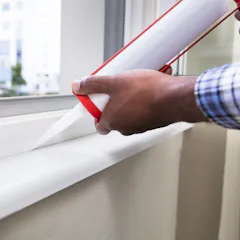
Our new research shows a few simple steps can dramatically improve the energy performance of a home, and ensure occupants don’t shiver through winter unnecessarily.

New research underscores the need to counter the effects of urban growth on drought by ensuring cities have enough green spaces to keep them liveable.
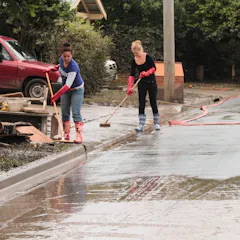
The recommendations of the senate inquiry into Australia’s disaster resilience mainly focus on volunteers involved in the immediate disaster response. This will not make Australians more resilient.
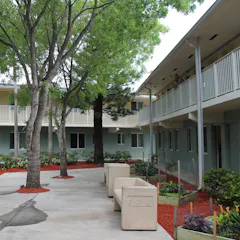
Integrating affordable housing with accessible health and social services is a proven, highly cost-effective way to tackle homelessness and vastly improve people’s lives.

Our governments now have all the evidence they need to end homelessness. The new National Housing and Homelessness Plan is an opportunity to put it into practice.
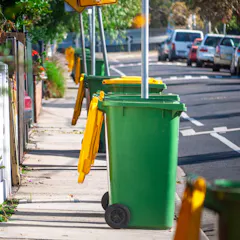
We all say we like recycling. But contamination rates are high. Victoria’s government hopes a new bin for glass and recycling soft plastic can help.
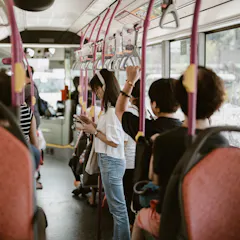
The surge in online purchases is increasing parcel delivery traffic and emissions. One solution is to take advantage of the trips people are already making to get parcels to their destinations.
Top contributors
-

Associate Professor in Property, Construction and Project Management, RMIT University
-
Associate Deputy Vice Chancellor in Research & Innovation, RMIT University
-
Emeritus Professor of Housing, UNSW
-
Professor of Transport Technology and Sustainability, Swinburne University of Technology
-
Adjunct Professor of Transport, University of Technology Sydney
-
Professor of Housing Research, Adelaide University
-
Research Associate, HHAUS research group, Swinburne University of Technology
-
Honorary Professor of Planning, The University of Queensland
-
Alan Morris is a Friend of The Conversation.
Professor, Institute for Public Policy and Governance, University of Technology Sydney
-
Honorary Professor, School of Natural Sciences, Macquarie University
-
Professor of Housing & Social Policy, HHAUS Housing, Homelessness & Urban Studies, Swinburne University of Technology
-
Professor of Planning and Director of Urban Transformations Research Centre, Western Sydney University
-
Senior Lecturer in Urban Planning, University of Auckland, Waipapa Taumata Rau
-
Associate Professor in Housing, School of Property, Construction and Project Management, RMIT University
-
Adjunct Research Fellow, School of Human Sciences, The University of Western Australia