
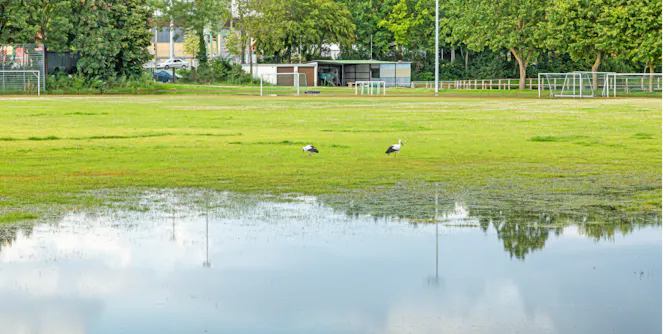
As mums, it’s been frustrating to see so many of our kids’ sport matches cancelled due to waterlogged grounds. Research shows how we can tackle this through smarter design and green infrastructure.
Articles on Better Cities
Displaying 61 - 80 of 397 articles

Any heater that burns fuel without adequate ventilation is dangerous in a home – and none are as safe or efficient as a reverse-cycle air conditioner.
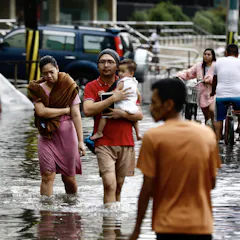
Disasters are never entirely natural. They can be far worse if they hit unprepared cities, as Manila has just found out.
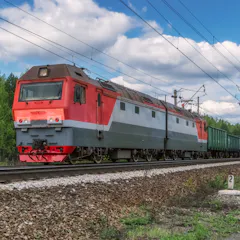
The only way to reduce soaring transport emissions is to shift as much travel as possible to the lowest-emission option.

They’re not what many of us imagine when we think of schools, but building them vertically could make our cities better for everyone.
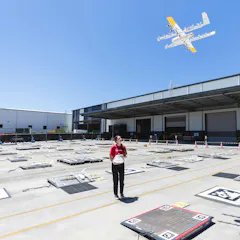
What happens when food delivery gets even faster and easier?
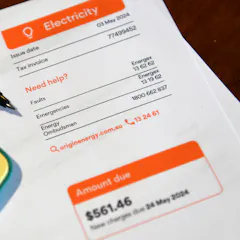
In theory, time-of-use pricing should nudge households to use electricity when it’s cheaper and more plentiful, saving on bills and grid costs. In practice, it isn’t working well for many households.
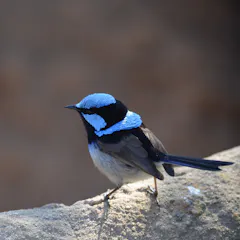
Our cities are full of obstacles and hazards for native wildlife but also contain many valuable patches of habitat. Creating green spaces to connect these patches improves their lives and ours.

Australian consumers deserve a legal right to repair beyond the warranty. If we fail to keep up with the UK and EU, we risk becoming a dumping ground for cheap and nasty appliances.
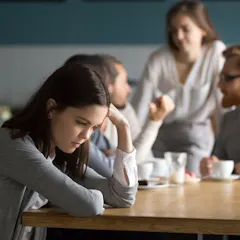
Sharehousing is becoming more crucial as the rental crisis rages on, and not just for young people. It’s time to look at how housing policy can be fairer for sharehouse renters.
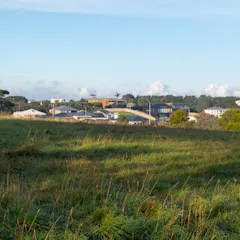
The tangle of greenery along railway lines, flowers growing on vacant lots, or unmown grassy patches under power lines, it turns out people in cities engage with nature in all these spaces.

The last thing we want to do is take the pleasure away from eating. But bite-sized changes add up to significant environmental benefits.

The term stroad is portmanteau of street and road. Stroads try to be both a thoroughfare for vehicles, and a place for people. Typically they fail at both, and the result is unpleasant for everyone.
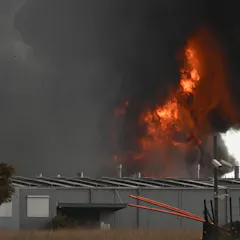
The first thing to remember is that all smoke is harmful. Typically, if you can smell smoke, it’s at a level where it’s impacting your health.
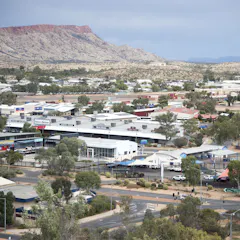
After some violent incidents, the town is under a curfew from 10pm to 6am. But evidence from cities in Australia and the United States suggest it will bring little benefit.

As world sports fans zero in on Paris ahead of the Olympics, what should Brisbane’s games organisers look to learn ahead of the 2032 event?
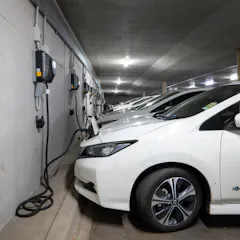
On the day of a blackout, a trial of vehicle-to-grid technology proved both the capacity of electric vehicles to support grid stability and the importance of exactly when vehicles are charged.
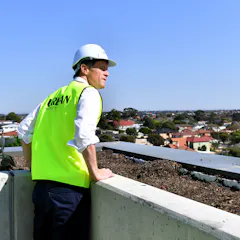
Planning for residents’ needs must be done well in advance to ease public fears about new high-density housing projects lacking open space for recreation.

Progress on housing policy has been patchy, in part because there’s no national plan guiding efforts to address homelessness. A bill currently in front of parliament could fix this.
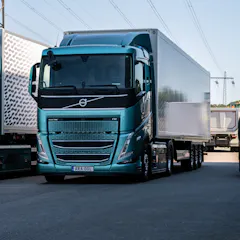
Modelling shows a shift to electric trucks is the better, faster option for cutting transport emissions under most plausible scenarios in Australia’s energy transition.
Top contributors
-

Associate Professor in Property, Construction and Project Management, RMIT University
-
Associate Deputy Vice Chancellor in Research & Innovation, RMIT University
-
Emeritus Professor of Housing, UNSW
-
Professor of Transport Technology and Sustainability, Swinburne University of Technology
-
Adjunct Professor of Transport, University of Technology Sydney
-
Professor of Housing Research, Adelaide University
-
Research Associate, HHAUS research group, Swinburne University of Technology
-
Honorary Professor of Planning, The University of Queensland
-
Alan Morris is a Friend of The Conversation.
Professor, Institute for Public Policy and Governance, University of Technology Sydney
-
Honorary Professor, School of Natural Sciences, Macquarie University
-
Professor of Housing & Social Policy, HHAUS Housing, Homelessness & Urban Studies, Swinburne University of Technology
-
Professor of Planning and Director of Urban Transformations Research Centre, Western Sydney University
-
Senior Lecturer in Urban Planning, University of Auckland, Waipapa Taumata Rau
-
Associate Professor in Housing, School of Property, Construction and Project Management, RMIT University
-
Adjunct Research Fellow, School of Human Sciences, The University of Western Australia