
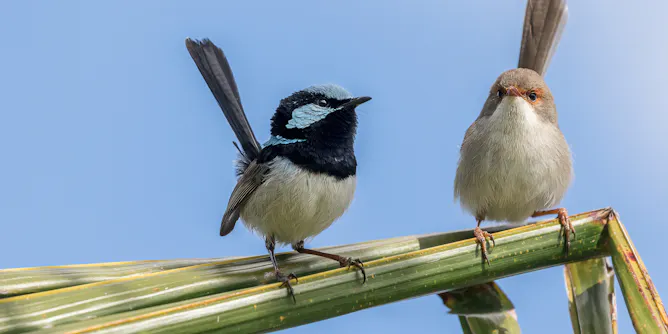
Wildlife monitoring is vital to arresting Australia’s extinction crisis. But research shows we may be getting false pictures of how species are faring.
Articles on Australian endangered species
Displaying 1 - 20 of 112 articles
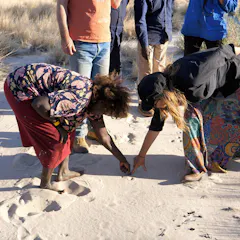
Footprints, droppings, diggings and other signs left behind by animals reveal a lot to a skilled observer. Indigenous knowledge feeds into one of Australia’s largest wildlife monitoring endeavours.

The first comprehensive overview of trade in Australian reptiles and frogs worldwide shows more species should be listed for monitoring under the international convention on wildlife trade.
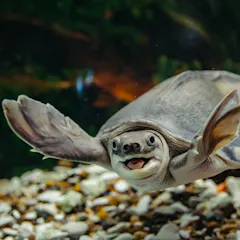
In the crystal-clear streams of the Northern Territory lives a large turtle with a snout like a pig. This unique animal is one of the latest additions to the threatened species list.
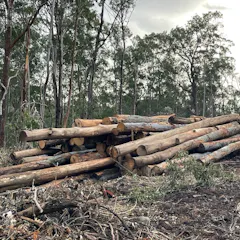
Shifting from native forest logging to sustainable plantations will help protect these essential forests and the many threatened species that depend on them.

Once sold as ‘penny turtles’ around Australia, the Mary River turtle’s plight galvanised local community efforts to save it from extinction.
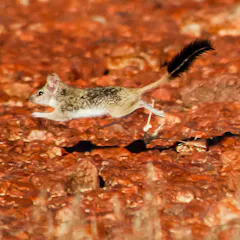
Blink and you’ll miss it. The kowari is a charismatic marsupial carnivore that needs our help.
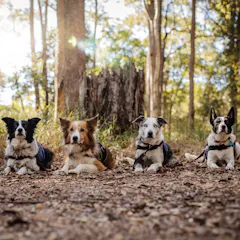
Conservation dogs perform vital roles across Australia. Some are guardians protecting wildlife from predators while others put their powerful sense of smell to use as sniffer dogs or detection dogs.
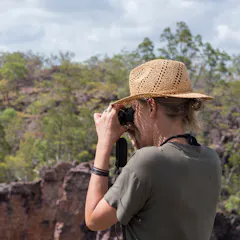
Researchers used ‘citizen science’ birdwatching data to rank Australian species. Among the most elusive birds were ‘hide and seek’ champions and a few possibly headed for extinction.
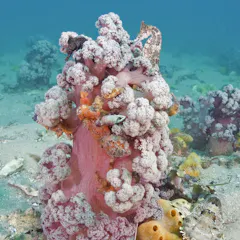
After a chance discovery in the lab, this team used IVF to make hundreds of coral babies for restoration projects in New South Wales. So far the IVF babies are doing well in the wild.
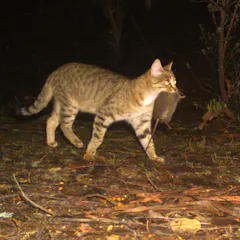
The Australian government has at last produced a serious plan to control an introduced predator that is a big reason this country has one of the world’s worst records for species extinctions.
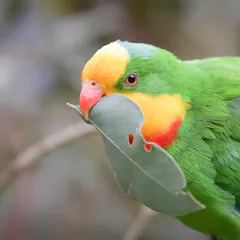
Despite declines of Australia woodland birds and ongoing conservation investment, we don’t have many studies that show exactly how effective different management actions are for these species.
Having so many threatened species live among us in our towns and cities reflects the impacts of urban development but is also an opportunity for us all to pitch in and ensure their survival.
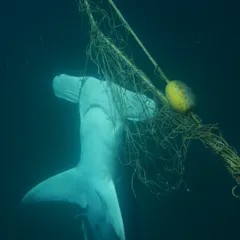
Queensland can no longer cull sharks in protected areas of the Great Barrier Reef, but it’s time to move away from culls, nets and drumlines altogether. There are better ways to keep our beaches safe.
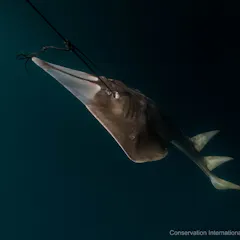
An update of the IUCN Red List attempts to map the real extent of global biodiversity loss.
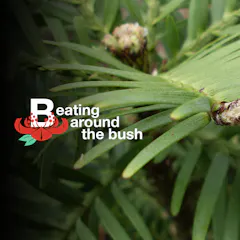
Wollemi pines have survived for hundreds of millions of years. Once covering Australia, they now survive in a few isolated spots – but they’re coming back in a big way.
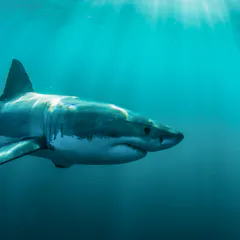
How many shark encounters have there been at your local beach? Explore our interactive map to see 20 years of incidents between humans and sharks in coastal waters around Australia.

It’s the Tasmanian devils that enjoy the highest survival and breeding success who’re more likely to get the fatal facial tumour disease.
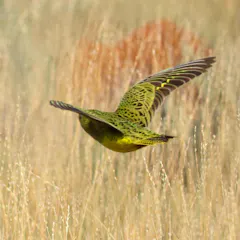
A Night Parrot snapped in Western Australia confirms the mysterious species survives across Australia, but now the real conservation work begins.
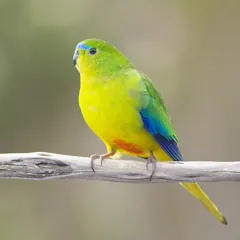
The government’s charity drive for threatened species shows it’s unwilling to invest what’s needed to prevent extinction.
Top contributors
-

Professor of Conservation Biology, Charles Darwin University
-
Professor of Conservation and Sustainable Livelihoods, Charles Darwin University
-
Professor, University of Sydney
-
Professor in Conservation Science, School of the Environment, The University of Queensland
-
Distinguished Professor of Ecology, Fenner School of Environment and Society, Australian National University
-
Postdoctoral Fellow, Australian National University
-
Professor in Biodiversity and Conservation, The University of Queensland
-
Professor of Pyrogeography and Fire Science, University of Tasmania
-
Professor of Conservation Biology, UNSW
-
Lecturer, Edith Cowan University
-
Professor, College of Science & Engineering, James Cook University
-
PhD candidate, James Cook University
-
Professor of Environmental Management, The University of Queensland
-
John Evans Memorial Fellow, Australian Museum
-
Associate Professor in Wildlife Conservation, Edith Cowan University