
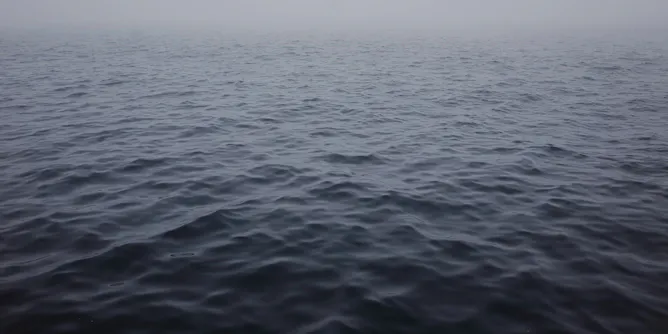
A key current in the Atlantic may be slowing down. But changes deep below the waves don’t generate obvious visual narratives.
Articles on Atlantic meridional overturning circulation
Displaying all articles
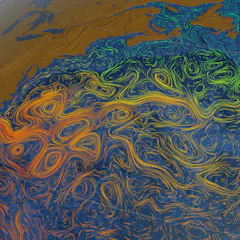
New evidence shows a major climate shift ‘within a lifetime’ 13,000 years ago.
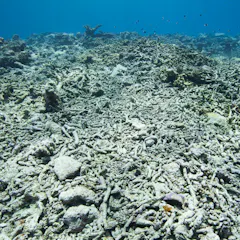
Dangerous climate tipping points will threaten food, water and coastlines. They’re irreversible and only radically accelerated climate action can stop them now.

Parts of the Atlantic Ocean are again much warmer than normal, priming Europe for more extreme heat this summer.
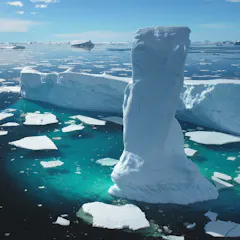
New research shows melting ice is causing the Atlantic Meridional Overturning Circulation (AMOC) to slow down, with widespread consequences for the world’s climate and ecosystems.

New finding adds uncertainty to projections of how the climate will change in future.

Earth’s climate system is connected across hemispheres. When the Atlantic Meridional Overturning Circulation weakens and Europe cools, warming in New Zealand and southern mid-latitudes accelerates.
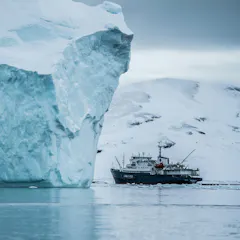
If the ocean circulation, known as AMOC, shuts down, it would be a climate disaster, particularly for Europe and North America. New research shows why that might not happen as soon as some fear.

Oceanographic systems vary over years, decades and centuries.
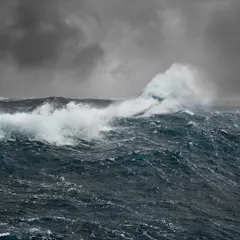
Expect more extremes and a range of ‘surprises’ to exacerbate the climate emergency.
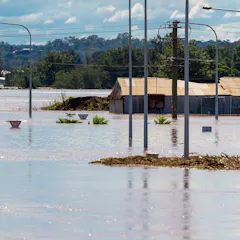
The collapse of the Atlantic meridional overturning circulation would profoundly alter the anatomy of the world’s oceans and climate. New research explores the consequences.
Top contributors
-

Postdoctoral Research Fellow in Paleoceanography, UCL
-
Director of the ARC Centre of Excellence for Our Future Oceans and Scientia Professor in Oceanography, UNSW
-
Professor of Oceanography and Climate, University of Southampton
-
Professor of Ocean and Climate Science, UCL
-
Professor of Earth and Environmental Sciences, Columbia University
-
Chief Investigator in Antarctic environmental science, Monash University
-
Senior Lecturer in Physical Geography, Te Herenga Waka — Victoria University of Wellington
-
Postdoctoral Scholar in Earth Science, University of California, Santa Barbara
-
Associate Professor, UNSW
-
Professor of Earth System Science, UCL
-
Palaeoclimatologist, Australian Antarctic Division
-
PhD Candidate, UNSW
-
Post-doctoral Research Fellow, Climate Change Research Centre, UNSW
-
Professor, Climate Change Research Centre, UNSW
-
Postdoctoral Research Associate, Centre for Marine Science & Innovation, UNSW