
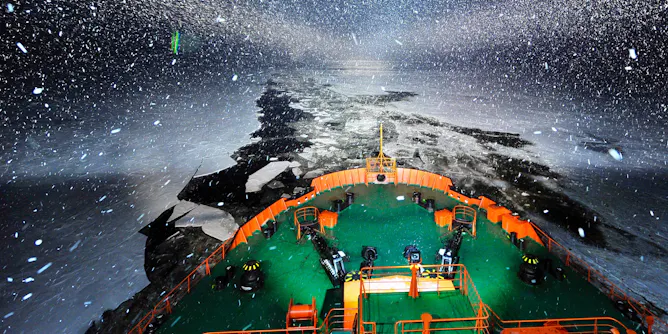
Russia is attempting to claim more of the Arctic seabed, an area rich in oil, gas and minerals. It’s also expanding shipping and reopening Arctic bases. Here are two things the U.S. can do about it.
Articles on Arctic
Displaying 141 - 160 of 286 articles
A new study finds more deciduous trees like aspen are growing in after severe fires in the region, and that has some unexpected impacts.
Polar lows — intense maritime storms that are sometimes dangerous — form near Canada without anyone noticing.

This ancient ecosystem showed that the ice sheet had melted to the ground
in northern Greenland within the past million years.
We can learn about the spread of diseases through populations by studying naturally occurring instances of herd immunity. Avian cholera in the Canadian Arctic provides a useful case study.
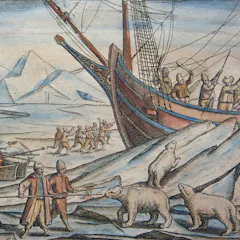
Do you see a fearsome predator? A fragile icon of impending extinction? What these arctic giants have stood for in art has continually evolved.
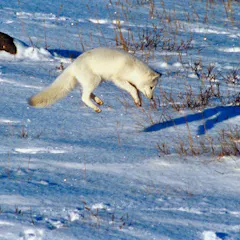
Arctic foxes have a few special talents that help them sneak up on unseen prey and pounce.
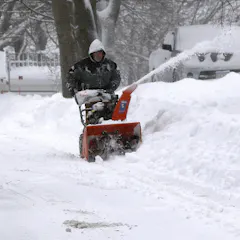
The media often call unusually cold, snowy storms a ‘polar vortex.’ The real polar vortex isn’t coming down to visit the lower 48, but changes to the polar vortex can influence winter weather.

The Arctic is particularly vulnerable to climate change, but efforts to tackle it risk alienating the people who live there.
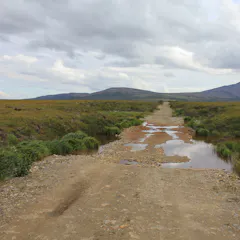
New research shows that permafrost contains huge amounts of particles that make it easier for cloud moisture to freeze. Thawing permafrost is releasing these ice-nucleating particles.
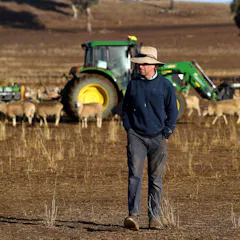
The US is formally back in the Paris climate agreement as of today. As one of the world’s largest greenhouse gas emitters, it has a lot of work to do, with food security, health and safety at stake.

Whales are rediscovering their old haunts in the Arctic and Southern oceans after centuries of hunting.
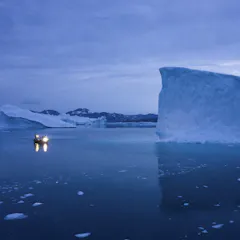
The Arctic has been a remote place for much of its history. But climate change is bringing global problems and opportunities to its door.
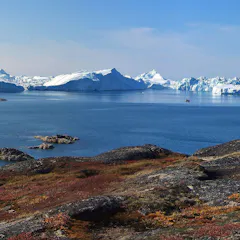
Our new research shows the island’s largest glaciers are losing ice faster than previously thought.
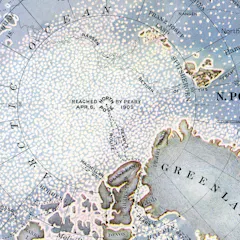
The pattern of autumn sea ice growth has been completely disrupted. The director of the National Snow and Ice Data Center explains what’s happening.
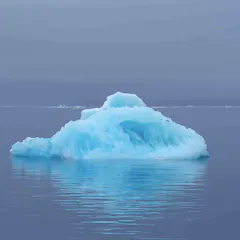
Extreme shrinkage of summer sea ice is just the latest evidence of rapid Arctic warming – and what happens in the Arctic doesn’t stay there.

Arctic heat waves were once rare and unusual events. But as their intensity and frequency increase with climate change, their fallout could affect the north — and the planet — for decades to come.
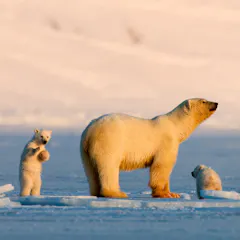
This is the story of ‘Misha’, as I have come to know her. Both I and my research have been deeply affected by a polar bear I have never met face to face.

Climate change is thawing permafrost and increasing the risk of these accidents, and the region has fewer of the bacteria that can ‘clean up’ oil spills.
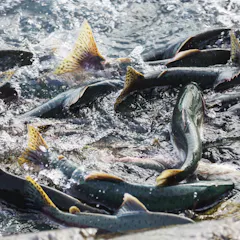
As climate change warms northern rivers and changes precipitation patterns, some types of cold-loving fish are failing.
Top contributors
-

Senior Research Fellow, Center for War Studies, University of Southern Denmark
-
Professor of Natural Resources and Environmental Science, University of Vermont
-
Alaska Climate Specialist, University of Alaska Fairbanks
-
Deputy Lead Scientist, National Snow and Ice Data Center (NSIDC), Cooperative Institute for Research in Environmental Sciences (CIRES), University of Colorado Boulder
-
Senior Scientist, National Snow and Ice Data Center (NSIDC), Cooperative Institute for Research in Environmental Sciences (CIRES), University of Colorado Boulder
-
Professor of Glaciology and Earth Observation, University of Bristol
-
Lecturer in International Studies, University of Washington
-
Associate Director, Climate System Research Center and Associate Professor of Climatology, UMass Amherst
-
Senior Lecturer in Physical Geography, Loughborough University
-
Professor and Director of the Centre for Defence and Security Studies, University of Manitoba
-
Chief Scientist, Australian Antarctic Division and Professor of Climate Science, Australian National University
-
Professeur associé/Adjunct professor, École nationale d'administration publique, École nationale d'administration publique (ENAP)
-
Distinguished Professor of Marine Science, King Abdullah University of Science and Technology
-
Research Professor of Geography and Director, National Snow and Ice Data Center, University of Colorado Boulder
-
Postdoctoral Fellow, Department of Biological Sciences, Simon Fraser University