
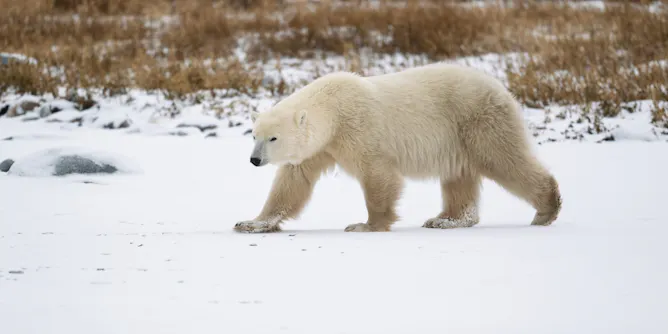
Polar bears are expected to become extinct but there are some signs their DNA is changing and they are adapting to new temperatures.
Articles on Arctic ice
Displaying 1 - 20 of 26 articles
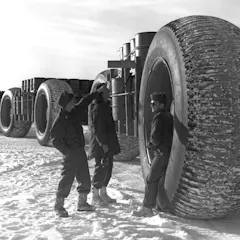
During the Cold War, the US poured support into Arctic military outposts and climate research amid fears of a Russian invasion. Climate change is still on the military’s radar as a threat multiplier.
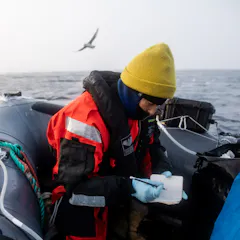
Explorer Pen Hadow is campaigning for a North Pole marine reserve to protect the Arctic’s peoples, its species and its natural landscape.
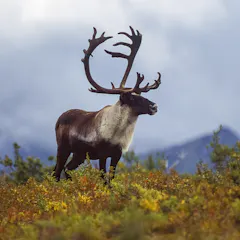
Rapid changes underway in the Arctic affect the region’s people and wildlife, and the entire planet.
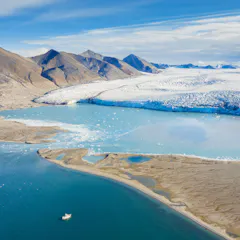
To fully understand the extent of climate-related dangers the Arctic – and our planet – is facing, we must focus on organisms too small to be seen with the naked eye.
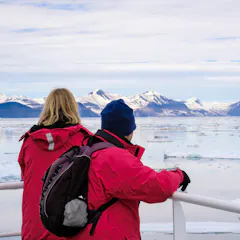
Arctic sea ice algae contaminated with microplastics have serious consequences for ecosystems and the climate.
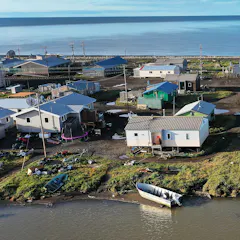
In the years since the Supreme Court rejected Kivalina’s appeal on May 20, 2013, the community’s search and rescue team has faced increasing climate disasters: ‘We just can’t adapt this fast.’
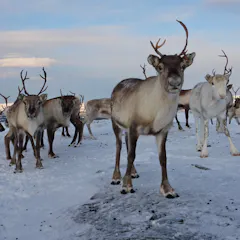
The annual report is also a reminder that what happens in the Arctic affects the rest of the world.

A particularly stormy winter has pushed perennial sea ice into the Arctic melt zone.
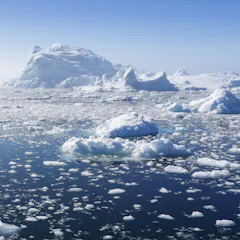
Scientists find oceanic heat has overtaken atmospheric heat as the main cause of melting.

Warm summers aren’t the only threat to Arctic ice – increasingly intense winter storms are also weakening and reducing ice cover.
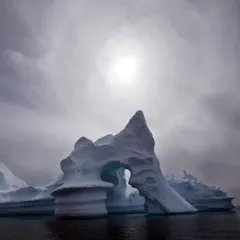
In 1867, the US bought Alaska from Tsar Alexander II for a tidy sum of $7.2 million. Trump probably wouldn’t be able to get that kind of bargain for Greenland.
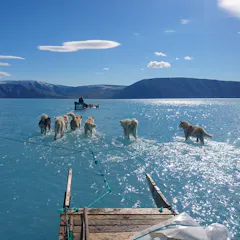
Greenland’s ice made headlines in June, as warm weather made for unseasonably widespread melting. And though this summer is still unfolding, the human fingerprint on Greenland’s ice can’t be denied.
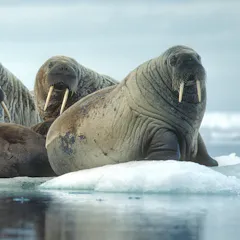
Algae at the bottom of the Arctic food chain relies on sea ice.

Extreme climatic events are harming plant communities in the Arctic. The resulting colour change is bad news for the region’s carbon storage.
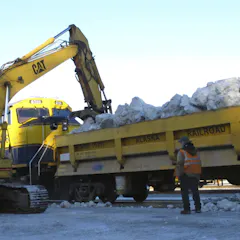
For everyone from traditional hunters to the military, the National Park Service to the oil industry, climate change is the new reality in Alaska. Government, residents and businesses are all trying to adapt.

New shipping opportunities are opening up in the Arctic as sea ice continues to recede. But travel is still dangerous and the region isn’t equipped to deal with more vessel traffic.
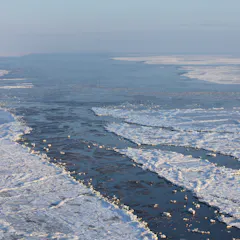
Since 2005, the Barents Sea has become too warm for sea ice to exist south of the Polar Front.

The link between melting sea ice and extreme weather has been known for a while, but now it’s happening further afield.
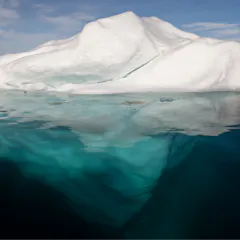
The end of 2016 has brought balmy Arctic temperatures and record low ice extent for the time of year. It’s a freak event even by modern standards, and climate models point the finger firmly at humans.
Top contributors
-

Deputy Lead Scientist, National Snow and Ice Data Center (NSIDC), Cooperative Institute for Research in Environmental Sciences (CIRES), University of Colorado Boulder
-
Senior Scientist, National Snow and Ice Data Center (NSIDC), Cooperative Institute for Research in Environmental Sciences (CIRES), University of Colorado Boulder
-
Alaska Climate Specialist, University of Alaska Fairbanks
-
Professor of Physical Oceanography, Bangor University
-
ARC Future Fellow and Associate Professor in Climate Science, ARC Centre of Excellence for 21st Century Weather, The University of Melbourne
-
Professor in the School of Earth Sciences, The University of Melbourne
-
Associate professor, Singapore Management University
-
Research assistant professor, University of Alaska Fairbanks
-
Research Fellow, Exeter Climate Systems Group, University of Exeter
-
Fellow, Queen's Institute for Energy and Environmental Policy, School of Policy Studies, Queen's University, Ontario
-
Senior Lecturer in Physical Oceanography, Bangor University
-
Research scientist in physical oceanography, Ifremer
-
Antarctic Climate & Ecosystems Cooperative Research Centre, University of Tasmania
-
Visiting Distinguished Professor, University of Alaska Anchorage
-
Senior research associate, University of Colorado Boulder