
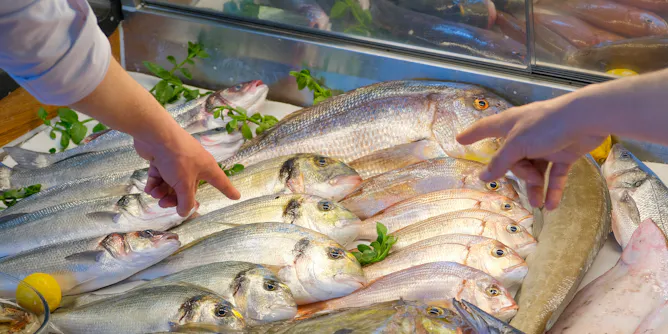
When you buy seafood, you can’t be sure it is what it says it is – and Australian wholesalers are resistant to new traceability technologies.
Articles on Aquaculture
Displaying 21 - 40 of 77 articles
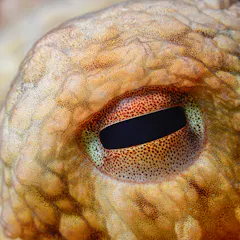
Octopuses are enigmatic beings whose experiences of industrial farming are likely to be profound.
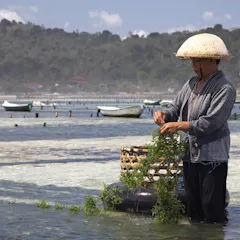
Our recent report identified how to make aquaculture – including shrimp and seaweed farming – more sustainable for Indonesians and for the environment.
There is only a single mooring managed by French researchers that monitors the impacts of climate change on West African Canary Current.
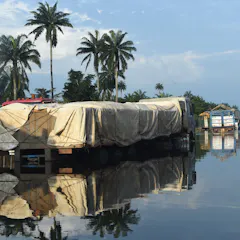
Despite the impact of flooding on food security, it is not recognised as a threat by policymakers.
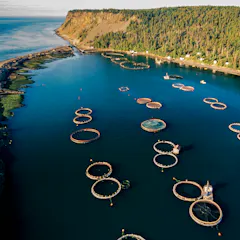
Ocean equity will be the key for achieving blue economies in Canada and the world
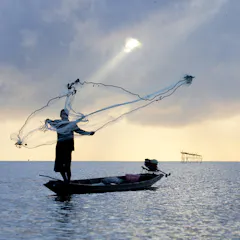
There is enormous potential to increase the productivity of African fisheries. There is also potential to improve coastal and marine health.
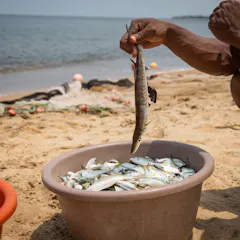
There is a need for better innovations and policies to help improve the fisheries sector in this region.
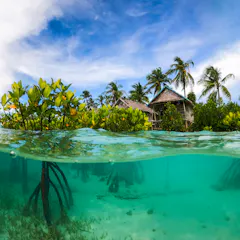
For decades, Indonesia’s mangroves have been degraded or turned into aquaculture. But there are signs of progress, with a new focus on restoration and income-generating alternatives.
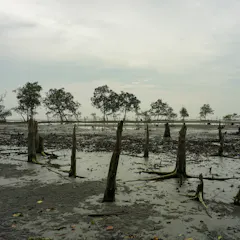
These crucial ecosystems are being battered by lots of different threats that are combining to make the matter worse.

A new ‘protein roadmap’ produced by CSIRO reveals foods set to fill fridges by 2030 as health, environmental and ethical concerns push consumers away from meat.
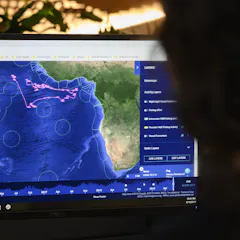
One of the oldest industries, fishing, is entering the world of advanced analytics and data-driven planning. With oceans under stress and key fish stocks dwindling, can precision fishing help?
Farming shellfish instead of large, predatory fish, is also better for the planet.
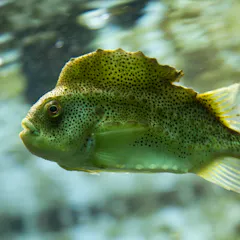
Personality profiling reveals hidden behaviour of cleaner fish used to control parasites in salmon aquaculture.

Shakuntala Haraksingh Thilsted, a native of Trinidad and Tobago, is the winner of the 2021 World Food Prize for her work identifying small fish as valuable nutrition sources for developing countries.
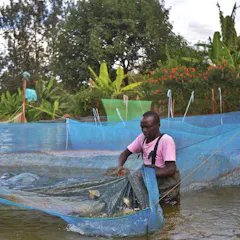
Aquaculture is a growing source of healthy protein for millions of people around the world, but there are big differences between farming fish on land and at sea.
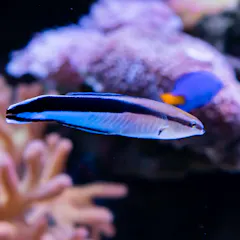
Cleaner fish feed on the parasites that live on other fish. Studying communication between cleaner fish and their clients may help employ them in salmon farms, which can be plagued by parasites.
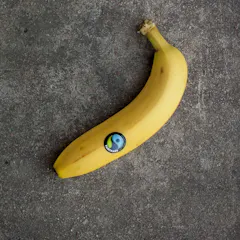
Fairness issues should be a major concern for eco-labels in their efforts to remain credible during the COVID-19 pandemic and beyond.

Fish farms feed millions of people around the world, but they also consume a lot of fish that are dried or ground up to make aquafeed. Researchers are developing more sustainable alternatives.
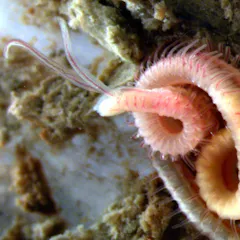
Mud blister worms make their homes in the shells of oysters and other shellfish, where they weaken their hosts.
Top contributors
-

Professor of Aquatic Resources Development, University of Stirling
-
Professor of International Development, Michigan State University
-
Postdoctoral Researcher, Department of Psychology, University of Alberta
-
Lecturer in Aquaculture, University of Stirling
-
Adjunct Associate Professor, University of Guelph
-
Professor, University of Tasmania
-
Postdoctoral Scholar, National Center for Ecological Analysis and Synthesis, University of California, Santa Barbara
-
Professor of Fish Physiology, University of Stirling
-
Professor of Computer Science, University of Sheffield
-
Emeritus Professor at Research Center for Oceanography, Indonesian Institute of Sciences (LIPI)
-
Assistant Professor, Institute of Marine and Environmental Technology, University of Maryland, Baltimore County
-
Honorary Fellow in Economics, The University of Queensland
-
Chief Research Scientist - Environment, CSIRO
-
Postdoctoral Researcher, Entomology and Biological Control, Rhodes University
-
Postdoctoral researcher, Universitat Autònoma de Barcelona