

Antimicrobial resistance is yet another catastrophic legacy of war, threatening human health and security for generations to come.
Articles on Antimicrobial agents
Displaying all articles

Keeping wounds clean and infection free has challenged people for thousands of years.
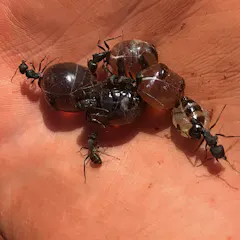
Experiments show honey from Australian desert ants has potent antimicrobial power.

Quaternary ammonium compounds, also known as QACs or quats, are commonly used antimicrobials also found in many household products. Soap and water may be a safer bet when cleaning surfaces.
Multidrug-resistant fungal infections are an emerging global health threat. Figuring out how fungi evade treatments offers new avenues to counter resistance.

With the dual threats of antibiotic resistance and emerging pandemics, finding new drugs becomes even more urgent. A trove of medicines may be lying under our nose.
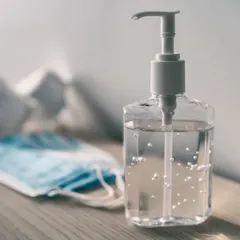
Misuse of common cleaning products or hand sanitisers can lead to antimcrobial resistance in bacteria.
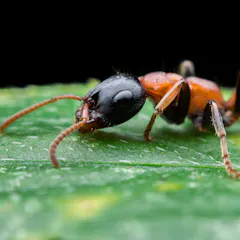
Leafcutter ants, Komodo dragons and even your nose are potential sources of new antimicrobial compounds.
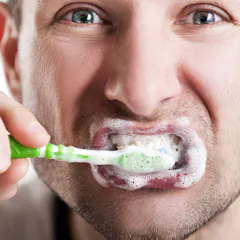
Triclosan is found in thousands of personal care products from toothpaste to soap. New research links it to inflammation and cancer in the gut in mice, by disrupting their microbiome.
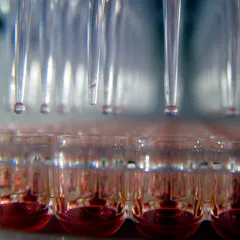
Pharmaceutical companies focus on small molecules they’ve devised – and can easily patent. But nature’s already come up with many antibacterial compounds that drug designers could use to make medicines.
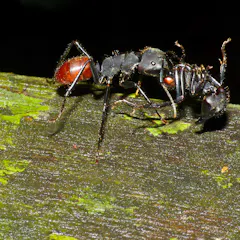
Ants produce their own antimicrobial chemicals to fight bacteria.
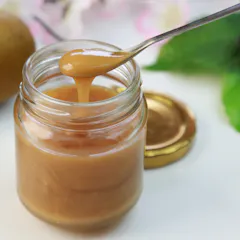
Manuka honey has a lot of evidence-based benefits, and a lot of rubbish claims too.
Top contributors
-

Research scientist, University of Sydney
-
Lecturer, Department of Genetics and Genome Biology, University of Leicester
-
Postdoctoral researcher, Department of Food Science, UMass Amherst
-
General Manager, ithree institute, University of Technology Sydney
-
PhD Candidate, Department of Genetics and Genome Biology, University of Leicester
-
Virology Research Scientist, University of Washington
-
Research Affiliate, Microbiology, University of Sydney
-
PhD student in Natural Products Discovery, Edge Hill University
-
Research Fellow, Faculty of Science, University of Sydney
-
Professor of Biological Sciences, University of Maryland, Baltimore County
-
Professor of Microbiology, University of Sydney
-
Professor of Toxicology, Equity and Inclusive Practice, Director of Impact and Innovation, University of East London
-
Assistant Professor of Food Science and Human Nutrition, Pharmacology and Toxicology, Michigan State University
-
Operator, Goldfields Honey Ant Tours, Indigenous Knowledge
-
PhD Candidate, Synthetic Biology of Natural Products, Newcastle University