

Student success depends not only on children’s readiness to learn but also on schools’ readiness to welcome and affirm who they are.
Articles on Anti-racist education
Displaying 1 - 20 of 21 articles

Difficult stories are not obstacles to democratic education. Learning how to communicate about them are conditions for it.
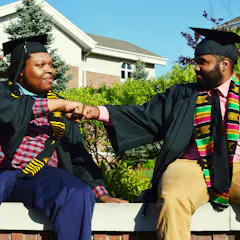
Black graduations are optional celebrations complementary to faculty-based convocation ceremonies, and they remind graduates they are powerfully supported.

A transactional approach to including international students risks Canadians never getting to know the people who come to study with their full and complex lives.

The new mandated learning expectations on Black Canadian history have materialized, but they fall short of expectations.

Daily moments like the fluency and accuracy with which educators pronounce children’s names are essential in shaping classroom and school belonging.

Diverse curricula are needed to acknowledge hidden histories, foster a shared humanity and a vision for a shared, socially just, future.
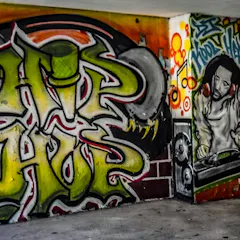
In a Toronto-based ‘artivism’ program, emerging artists gain skills integral to their artistic practice and create accessible information about the youth justice system.

Additional research and attention is needed — particularly in Canada — to provide schools with evidence-based, trauma-informed and culturally attuned approaches to school discipline.

Encouraging men to take the risk of expressing tender feelings for others is part of relying on love as a tool of anti-racist and decolonial education.

Listening to voices of racialized students in French immersion matters for creating more inclusive schooling.

Researchers from an Indigenous literatures lab examine texts that are well-suited for a new Grade 11 course, First Voices.
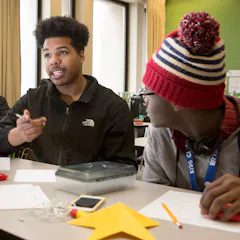
A leadership program for Black youth sees students participate in research related to their communities and education to propose solutions to issues that affect their lives.

Educators in public schools can develop the identities of Muslim students and create a positive school culture during Ramadan by fostering community partnerships and introducing school activities.

For Indigenous literature courses to be successful, Indigenous cultural safety must be centred, and commitment to teacher professional development is a must.

Rethinking accountability structures, how to engage parents and the community and how to support anti-racist leadership competencies all matter.

Accountability measures matter for addressing the urgent problem of anti-Black racism. A new Centre of Excellence for Black Student Achievement at the Toronto District School Board is taking action.

Tackling Islamophobia as a form of racism even when Muslims aren’t visible is key.

Public outcry against standardized testing, along with adjustments required by COVID-19, have led to a new generation of academic tests.
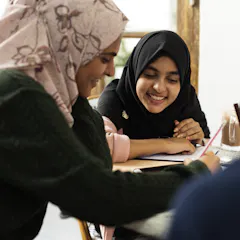
Racist and Islamophobic beliefs cannot find root in the minds and hearts of those who genuinely and frequently get to know each other’s communities.
Top contributors
-

Researcher in Black education, policy, and community development, University of Toronto
-
Assistant Professor, Department of Education, Niagara University
-
Associate Head, Early Childhood Studies, University of Guelph-Humber
-
PhD Candidate, Education, York University, Canada
-
Associate Professor in Curriculum, Teaching and Learning, Ontario Institute for Studies in Education, University of Toronto
-
PhD Candidate, Faculty of Education, Western University
-
Associate professor, Department of Early Childhood Care and Education, Capilano University
-
Assistant Professor, Faculty of Education, Concordia University of Edmonton
-
PhD candidate, Curriculum Studies, Western University
-
PhD Candidate, Department of Curriculum, Teaching and Learning, Ontario Institute for Studies in Education, University of Toronto
-
Associate Professor, Department of Curriculum, Teaching & Learning, Ontario Institute for Studies in Education, University of Toronto
-
Associate Professor, King’s School of Social Work, Western University
-
PhD Candidate, Faculty of Education, York University, Canada
-
Assistant Professor, National Catholic School of Social Service, Catholic University of America
-
Professor of Psychometrics, UMass Amherst