
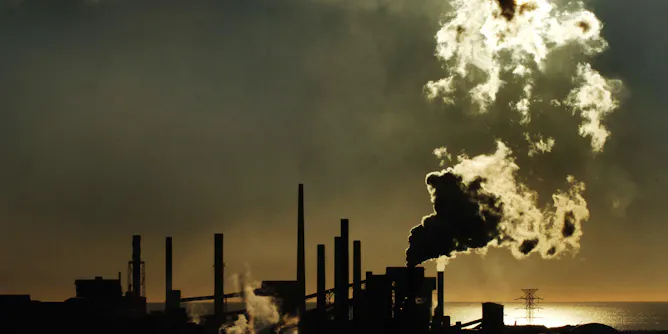
The climate crisis is a complex scientific problem. New systems have to be developed through democratic systemic reforms.
Articles on Anthropocene
Displaying 81 - 100 of 135 articles
Nuclear bomb tests potentially mark the start of a new geological epoch: the Anthropocene.

Make that winter dram an intellectual one.
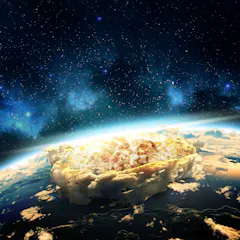
Imagine a world ravaged by the fallout from nuclear weapons and the runaway effects of climate change. Congratulations, you’ve just imagined the Plutocene, but let’s hope it doesn’t become a reality.
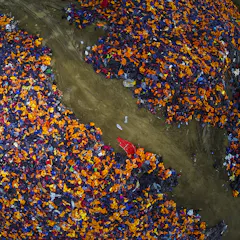
In late 2015, 200,000 refugees a month were arriving on the Greek island of Lesvos. Tasos Markou went there to photograph their plight - and ended up joining the locals to help the new arrivals.

To conserve Earth’s remarkable species, we must also defend the importance of science and scientific integrity.
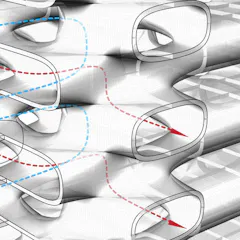
To better understand and bring under control the new planetary flows that humanity has unleashed, we need to mobilize all the legal resources at your disposal.

Analysis of the phenomenon of “total circulation” – situations in which humanity produces a circulation of goods or persons that escapes its control.
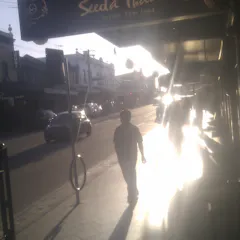
Thinking about climate change as a process of ‘weathering’ reminds us of the profound and highly unequal consequences for all living things.
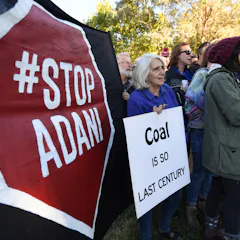
If infrastructure is to meet the needs and challenges of an uncertain future, we need to move beyond the AAA ratings mindset and aim for net-positive social and ecological outcomes as well.
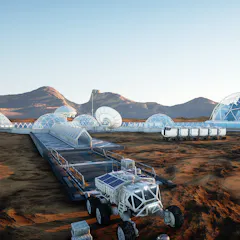
Interplanetary colonisation was once the stuff of science fiction but now there are plans to colonise Mars. How have film-makers and writers dealt with our rapacious Anthropocene age?
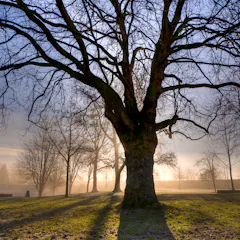
If people are starting to look much worse in democratic terms, trees are starting to look much better. We are learning that plants engage in meaningful and, more to the point, truthful communication.
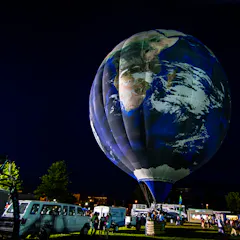
In the face of planetary problems such as climate change, does national citizenship lose its meaning?
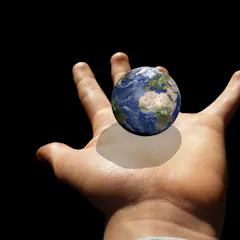
Scientific and technological innovations and economic policies promoting growth at all costs have created a consumption and production vortex on a collision course with the Earth system.

The Anthropocene is often associated with problems such as climate change and inequality. But there is also hope that it can come with positive change for the benefit of people.

The Anthropocene most likely started long before the 1950s.

Technology had enabled humans to explore the deep sea, the Earth’s poles, and outer space. But we shouldn’t forget historical lessons about frontiers in the process of traversing them.
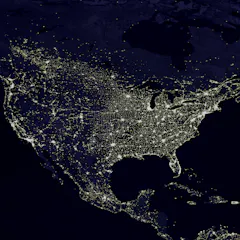
Yes, humans hold awesome power over the rest of the planet, but nature will always fight our attempts to ‘tame’ the natural world.

The rise of urban greening is an opportunity to recast the relationship between people and environment. Humans and non-human species are ecologically intertwined as inhabitants of cities.
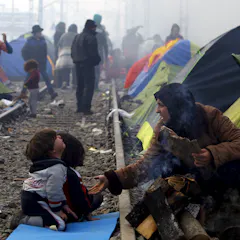
Our institutions are not solving the world’s wicked problems, such as the refugee crisis and climate change. Can sustainable coffee – a bottoms-up, modular approach – provide clues to a better way?
Top contributors
-

Professor of Palaeobiology, University of Leicester
-
Professor of Earth System Science, UCL
-
Professor of Palaeobiology, University of Leicester
-
Professor of Global Change Science at University of Leeds, UCL
-
Professor of Geography and Environmental Systems, University of Maryland, Baltimore County
-
Assistant researcher, University of Sydney
-
Honorary Professor, Department of Geology, University of Leicester
-
Adjunct professor, UNSW
-
Principal Lecturer in Psychology, University of Brighton
-
Emeritus Professor of Life Sciences, Arizona State University
-
Allan and Helaine Shiff Curator of Climate Change, Royal Ontario Museum and Assistant Professor, Ecology and Evolutionary Biology, University of Toronto
-
Associate professor, Global Change Institute, University of the Witwatersrand
-
Adjunct Professor of Society & Environment, University of Technology Sydney
-
Honorary Professor, Archaeology, The University of Queensland
-
Professor of Environmental Studies, Affiliate Faculty in Religious Studies, University of California, Santa Barbara