

‘Antarctic cities’ residents care deeply about the continent, with environmental concerns outweighing economic priorities. Asked about its future, they feel a mix of hope, pessimism and sadness.
Articles on Anthropocene
Displaying 41 - 60 of 135 articles
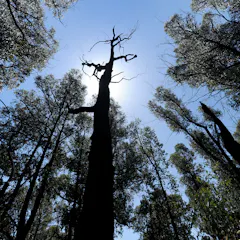
It’s time for a new accord, with a summit led by First Nations people, bringing disparate groups together to help heal the nation and the land.
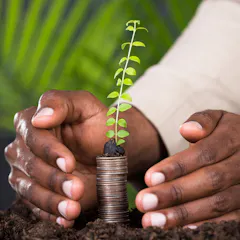
What are the visions that reflect the diverse values that nature holds for people?
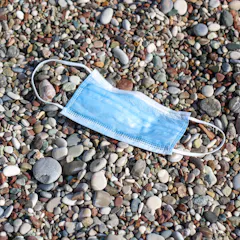
They will find minimal traces of the virus itself, but lots of PPE.
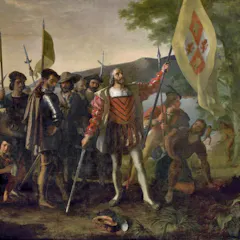
It marked the point when humans began to exert a geologically-huge influence on the environment.
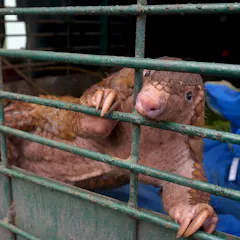
Covid-19, like other major epidemics, is not unrelated to the biodiversity and climate crisis we are experiencing.
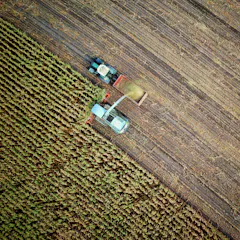
As we debate the proposals for what the world after the virus should look like, it is crucial that we understand the roots of what got us here.
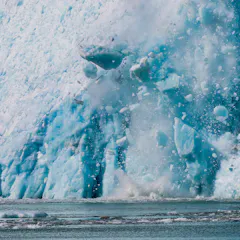
The pandemic has exposed how vulnerable we are to unexpected climate shocks.
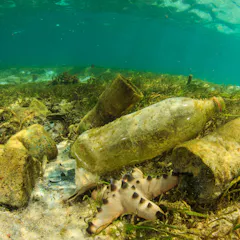
The hope is that the biodiversity targets translate directly into what individual countries, cities, companies and even families can adopt as tangible actions.
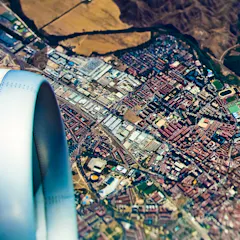
The term Anthropocene - previously known only to geologists and academics - has hit the mainstream. Now it’s being tweeted as shorthand for the negative effects humans have had on the planet.
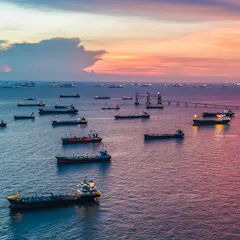
The Great Acceleration inaugurated the Anthropocene in the 1950s. Now, a similar race for resources and space is happening in the ocean.
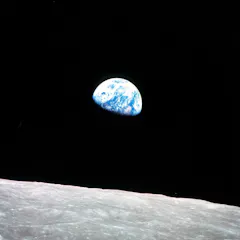
Historical perspective can offer much in this time of ecological crisis,. Many historians are reinventing their traditional scales of space and time to tell different kinds of stories that recognise the unruly power of nature.

Manufacturing minerals is an expanding field of study. Making more of them could help alleviate various pressures faced by our growing population. But how are they made, and where can they be used?

Transforming our societies to stop climate change offers us the chance to make our lives better.
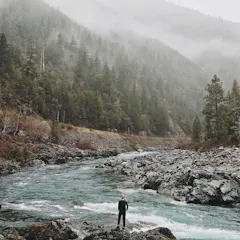
Humans did not always see themselves as he separate from the natural world. If we are to reverse its decline, we must re-entangle ourselves with it.
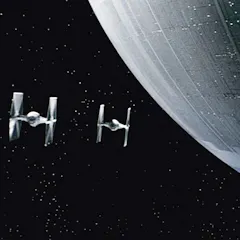
If sci-fi films mirror the world’s contemporary dystopian anxieties, then over the years Star Wars has gone from nuclear war to environmental collapse.
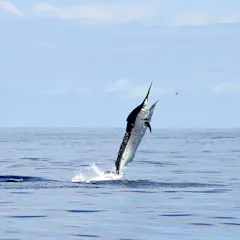
A giant ocean fish swims into the heart of industrial Port Kembla looking for food. What if we take its presence, a few km from an ancient, living midden, as a symbol of both new and old ways to learn in the age of the Anthropocene?

Hundreds of archaeologists provided on-the-ground data from across the globe, providing a new view of the long and varied history of people transforming Earth’s environment.
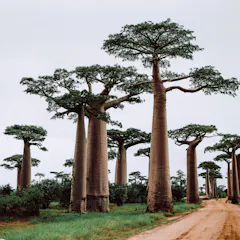
Human-driven land clearing and climate change are sending plants extinct at a rapid rate, risking a devastating biodiversity crash.
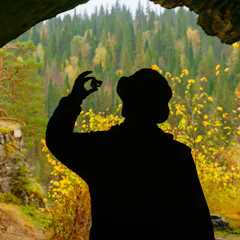
Geology will be key to any green transition, but its academic reputation needs an urgent makeover.
Top contributors
-

Professor of Palaeobiology, University of Leicester
-
Professor of Earth System Science, UCL
-
Professor of Palaeobiology, University of Leicester
-
Professor of Global Change Science at University of Leeds, UCL
-
Professor of Geography and Environmental Systems, University of Maryland, Baltimore County
-
Assistant researcher, University of Sydney
-
Honorary Professor, Department of Geology, University of Leicester
-
Adjunct professor, UNSW
-
Principal Lecturer in Psychology, University of Brighton
-
Emeritus Professor of Life Sciences, Arizona State University
-
Allan and Helaine Shiff Curator of Climate Change, Royal Ontario Museum and Assistant Professor, Ecology and Evolutionary Biology, University of Toronto
-
Associate professor, Global Change Institute, University of the Witwatersrand
-
Adjunct Professor of Society & Environment, University of Technology Sydney
-
Honorary Professor, Archaeology, The University of Queensland
-
Professor of Environmental Studies, Affiliate Faculty in Religious Studies, University of California, Santa Barbara