
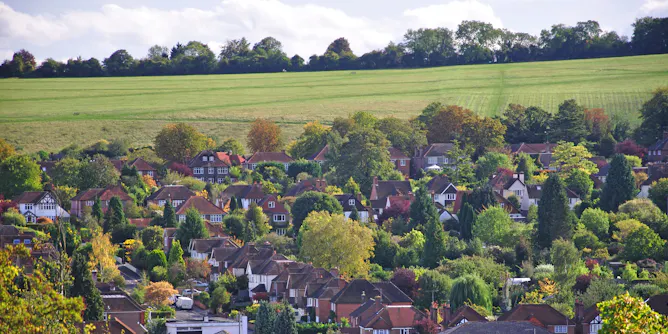
The way we develop urban peripheries is central to tackling both the housing crisis and the climate emergency.
Articles on Anthropocene
Displaying 21 - 40 of 135 articles

Integral ecology, a holistic way of looking at problems the world faces today, is key in the pope’s writings about the environment.

We used satellite data to create global maps of where and how fires are burning. Fire season lasts two weeks longer than it used to and fires are more intense. But there are regional differences.
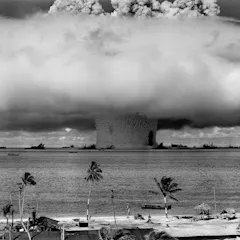
We’re having a big impact on the planet. But what marks will we leave behind in deep time?
Long before thermometers, nature left its own temperature records. A climate scientist explains how ongoing global warming compares with ancient temperatures.

What is so special about Crawford Lake? And what can it teach us about the urban spaces we live in?
Our activities now affect the entire planet. But there’s a vital debate over when we started disrupting these systems. Was it 1950 – or hundreds and thousands of years earlier?
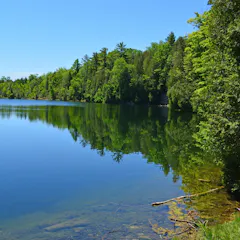
Crawford Lake in Ontario contains the record that best identifies the beginning of the Anthropocene, the geologic epoch characterized by the global impact of human activity.

Four graphs that show us how humanity’s impact on the planet is growing.
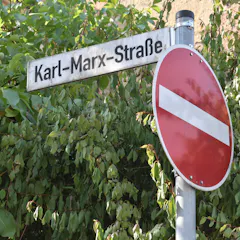
Environmental debates often centre proposals for curtailing emissions, without addressing how we got into this mess and how we might get out. A radical new book ponders the alternatives.
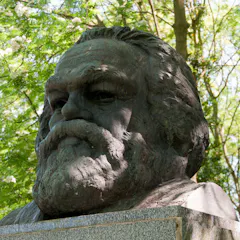
What does Karl Marx have to say about climate change? Quite a lot, according to a new book.
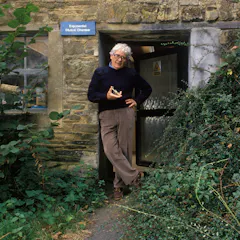
Lovelock’s Gaia hypothesis suggested that Earth could be considered a single, self-regulating organism.
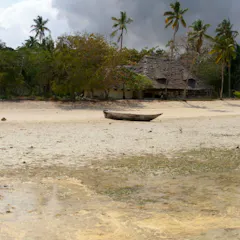
Human waste created the landscape for a medieval Indian Ocean trading port and may eventually have led to its demise.

The production and release of synthetic chemicals worldwide is destabilising the Earth system.
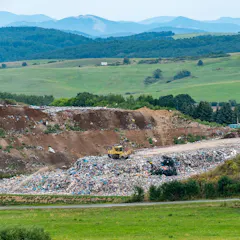
Although alternative terms have been suggested, the Anthropocene captures the magnitude of the crisis we face.

From installations of ice to projected art generated from air quality readings, artists and designers offer powerful experiences where people become witnesses to what’s happening and what’s possible.
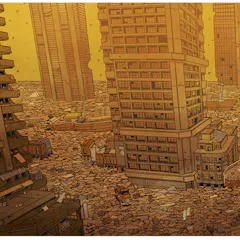
A study published in the journal Nature reveals that global mass of goods produced by humankind now exceeds that of all life on earth. This is a stark warning on our growing domination of the planet.
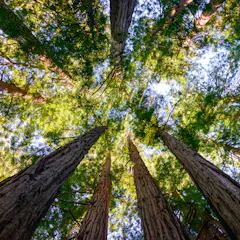
If all of humanity was wiped out tomorrow, it’s estimated that the natural world would take at least five million years to recover from the damage humans have done to the world.
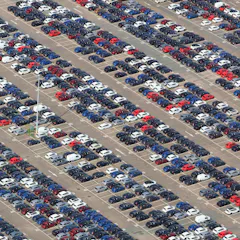
The science-fiction scenario of an engineered planet is already here.
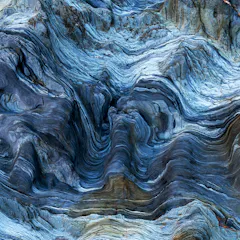
Almost a century ago, New Zealand and Australia were at the forefront of an environmental crisis that forewarned of humanity’s global impact – erosion. It left its mark on culture.
Top contributors
-

Professor of Palaeobiology, University of Leicester
-
Professor of Earth System Science, UCL
-
Professor of Palaeobiology, University of Leicester
-
Professor of Global Change Science at University of Leeds, UCL
-
Professor of Geography and Environmental Systems, University of Maryland, Baltimore County
-
Assistant researcher, University of Sydney
-
Honorary Professor, Department of Geology, University of Leicester
-
Adjunct professor, UNSW
-
Principal Lecturer in Psychology, University of Brighton
-
Emeritus Professor of Life Sciences, Arizona State University
-
Allan and Helaine Shiff Curator of Climate Change, Royal Ontario Museum and Assistant Professor, Ecology and Evolutionary Biology, University of Toronto
-
Associate professor, Global Change Institute, University of the Witwatersrand
-
Adjunct Professor of Society & Environment, University of Technology Sydney
-
Honorary Professor, Archaeology, The University of Queensland
-
Professor of Environmental Studies, Affiliate Faculty in Religious Studies, University of California, Santa Barbara