

A warming Earth could see invading species arrive in Antarctica via the floating “taxi service” of the sea. That could be a threat to the southern continent’s delicate ecosystem.
Articles on Antarctica
Displaying 281 - 300 of 411 articles
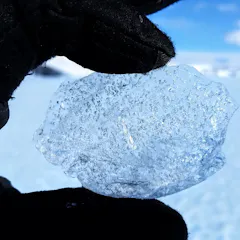
What gaps have the CSIRO cuts left in climate research?

New mapping shows how Antarctica’s huge Totten Glacier has retreated far inland, raising sea levels by more than a metre. Rising temperatures could trigger it to do so again.
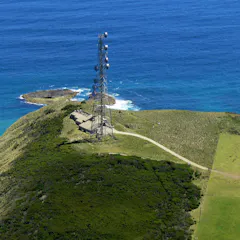
Atmospheric carbon dioxide measurements at Tasmania’s Cape Grim and Antarctica’s Casy Station have now officially passed 400 parts per million and are likely to stay above that for decades to come.
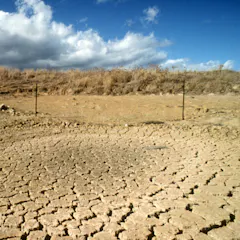
A new millennium-long record reveals that Australia has suffered longer droughts and wet periods than those recorded in the past century’s weather observations.
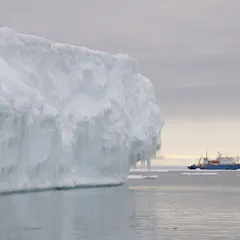
In an atmosphere of declining government funding for science, researchers can drum up excitement and funding in other ways, just as they did in Edwardian times.
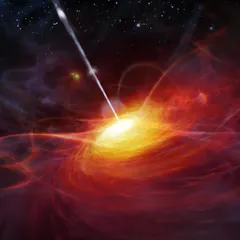
A burst of neutrinos detected deep under the Antarctic ice may have originated from a distant quasar on the edge of the visible universe.
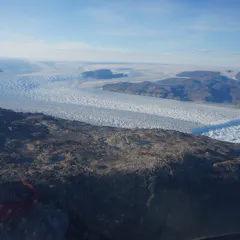
Could sea levels really rise by several metres this century. Probably not, although this century’s greenhouse emissions could potentially set the stage for large rises in centuries to come.
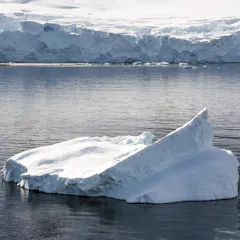
As the world warms, Antarctica’s melting ice will likely reach the point of no return.

Antarctica’s blue whales all feed in the same place. But a new genetic analysis suggests they are actually three separate populations that breed in different parts of the globe.

Ice cores tell us vital information about how the world’s climate has changed - and how it will change in the future.
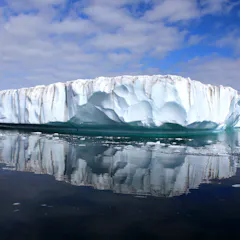
The Paris agreement has given us some solid targets to aim for in terms of limiting global warming. But that in turn begs a whole range of new scientific questions.
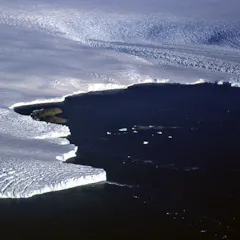
The way ice sheets respond to global warming may be more predictable than previously thought
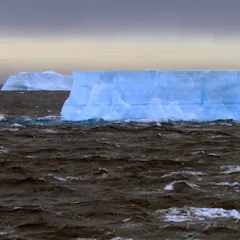
Iron and nutrients from Antarctica’s bedrock are carried into the oceans – nourishing entire food webs.

Despite their image as cold-loving creatures, Adélie penguins could be winners from climate change.
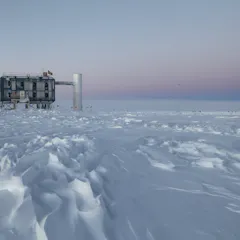
A cubic kilometer of clear, stable ice could help physicists answer big questions about cosmic rays and neutrinos. Hardy scientists collect data via a unique telescope at the frozen bottom of the world.
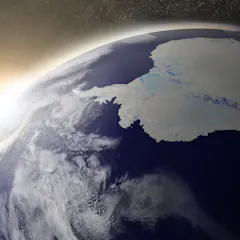
Why should we care if the polar ice sheets melt hundreds of years in the future? Because they are vital for maintaining our current climate.

The continent’s ice caps are melting, and both native and alien species will soon colonise the newly uncovered areas.
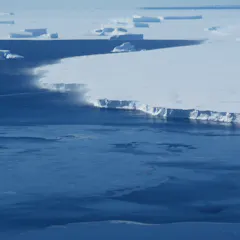
If we burned all fossil fuels, the loss of ice in Antarctica would raise sea levels 160 to 200 feet, but even our current trajectory could lead to dramatic sea level rise.
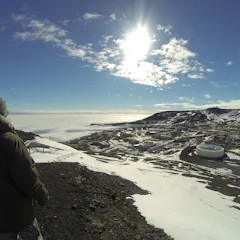
If we’re going to mine asteroids, then we need an international treaty to prevent it becoming a wild west. Thankfully we can look to Antarctica to see how such a treaty might work.
Top contributors
-

Adjunct Professor, Institute for Marine and Antarctic Studies, University of Tasmania
-
Professor of Antarctic Studies, School of Humanities, University of Tasmania
-
Pro Vice-Chancellor of Research, University of Technology Sydney
-
Director of the ARC Centre of Excellence for Our Future Oceans and Scientia Professor in Oceanography, UNSW
-
Professor of Astrophysics, UNSW
-
Chief Scientist, Australian Antarctic Division and Professor of Climate Science, Australian National University
-
Professor in Ocean Physics, University of Auckland, Waipapa Taumata Rau; Earth Sciences New Zealand
-
Adjunct Senior Lecturer, University of Tasmania
-
Assistant Professor of History, Texas Tech University
-
Senior lecturer, Institute for Marine and Antarctic Studies, University of Tasmania
-
Australian Laureate Fellow, Distinguished Professor, Deputy Director of ARC Securing Antarctica's Environmental Future (SAEF), University of Wollongong
-
Honorary Senior Fellow in Ecology, University of Wollongong
-
Professor of Polar Geodesy and ARC Laureate Fellow, University of Tasmania
-
Antarctic Law Researcher, Institute for Marine and Antarctic Studies and the Antarctic Climate and Ecosystems CRC, University of Tasmania
-
CSIRO Fellow, CSIRO