
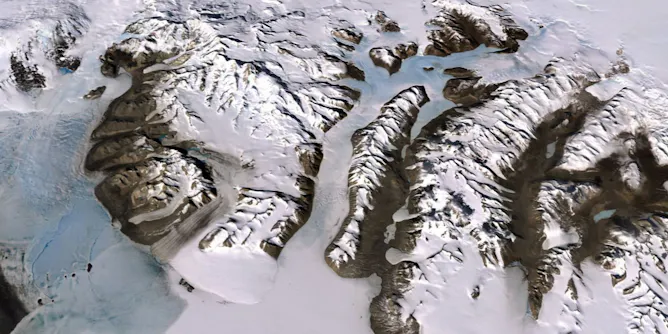
Melting ice from Antartica could feed vast plankton blooms, trapping carbon in the ocean. To understand this complex mechanism, researchers looked at volcanoes deep under glaciers.
Articles on Antarctica
Displaying 261 - 280 of 411 articles
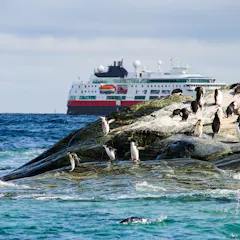
No place is off-limits to tourism, so the industry grows without restriction – but there are ways to curb the environmental damage it does.

The new sub allows scientists to access some of the most remote and hazardous environments in the ocean.

During a Q&A discussion about climate change, Tasmanian Senator Jacqui Lambie said it was four degrees hotter 110,000 years ago. Is that right?
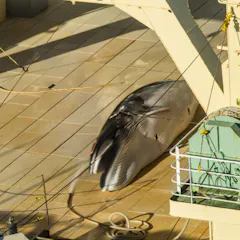
Japan is once again allegedly killing whales in Antarctica. But after taking Japan to international court in 2014, there’s not much Australia can do.
There is no doubt that 2016 has been a record-breaking year for the Earth’s climate.
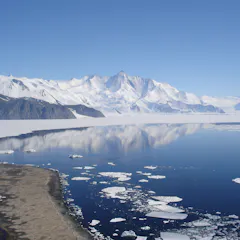
After years of stalled negotiations, China has ended its opposition to the world’s largest marine park off Antarctica - part of a wider trend towards increased Chinese involvement in global governance.
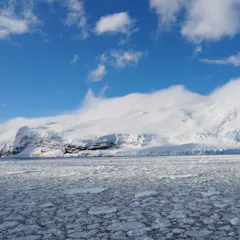
Why spend three months completing a lap of Antarctica (and probably getting seasick along the way)? It’s the only way to get vital clues about the remote Southern Ocean and its influence on the planet.
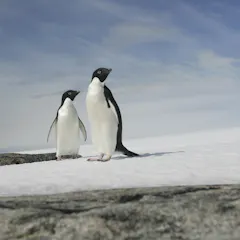
Antarctica hangs in the balance. Five cities have the chance of securing the future of this fragile continent.
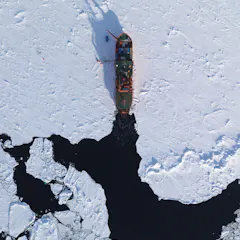
After record-breaking amounts of sea ice in Antartica, this year we’re seeing record lows.
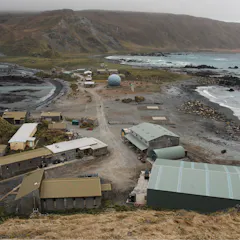
The shock decision to close Australia’s year-round research station at Macquarie Island will make monitoring Antarctica and the Southern Ocean harder, and will force Tasmania to get creative.
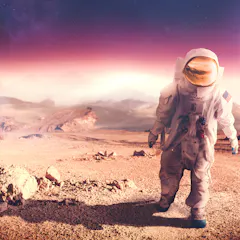
Speaking with: Juan Francisco Salazar about colonising Antarctica and Mars
The Conversation, CC BY-NC-SA19.5 MB (download)
Dallas Rogers speaks with Prof Juan Francisco Salazar about studying the research community in Antarctica to learn about what colonising Mars and other planets might look like.
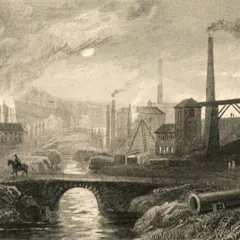
The first signs that humans were warming the climate appeared much earlier in the northern hemisphere - way back in the 1830s. But now the trend is emerging all over the globe.
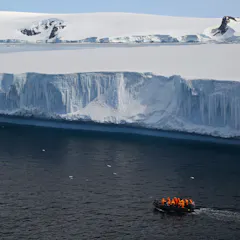
If we accept that 2 degrees warming is dangerous this century, we have to accept it is dangerous beyond.
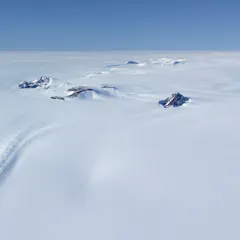
Buried beneath kilometres-thick slabs of ice are rivers and huge lakes - some of which are teeming with microbes that thrive in a world without light or oxygen.

Australia and China both have a keen interest in the frozen continent. And while they don’t agree on everything, there is great scope for scientific collaboration.
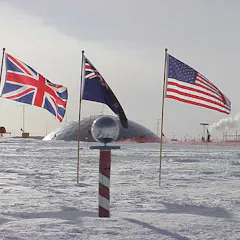
It’s one of the remotest places on Earth and yet is still claimed by six nations – including Australia.
What the Montreal Protocol has done for the ozone hole threat other international accords could do for climate change – if we all agree.
Vote Leave claims the EU is the slowest growing area in the world. Are they right?
New study supports the idea that an asteroid, rather than climate changes, caused the mass extinction that wiped out the dinosaurs.
Top contributors
-

Adjunct Professor, Institute for Marine and Antarctic Studies, University of Tasmania
-
Professor of Antarctic Studies, School of Humanities, University of Tasmania
-
Pro Vice-Chancellor of Research, University of Technology Sydney
-
Director of the ARC Centre of Excellence for Our Future Oceans and Scientia Professor in Oceanography, UNSW
-
Professor of Astrophysics, UNSW
-
Chief Scientist, Australian Antarctic Division and Professor of Climate Science, Australian National University
-
Professor in Ocean Physics, University of Auckland, Waipapa Taumata Rau; Earth Sciences New Zealand
-
Adjunct Senior Lecturer, University of Tasmania
-
Assistant Professor of History, Texas Tech University
-
Senior lecturer, Institute for Marine and Antarctic Studies, University of Tasmania
-
Australian Laureate Fellow, Distinguished Professor, Deputy Director of ARC Securing Antarctica's Environmental Future (SAEF), University of Wollongong
-
Honorary Senior Fellow in Ecology, University of Wollongong
-
Professor of Polar Geodesy and ARC Laureate Fellow, University of Tasmania
-
Antarctic Law Researcher, Institute for Marine and Antarctic Studies and the Antarctic Climate and Ecosystems CRC, University of Tasmania
-
CSIRO Fellow, CSIRO