
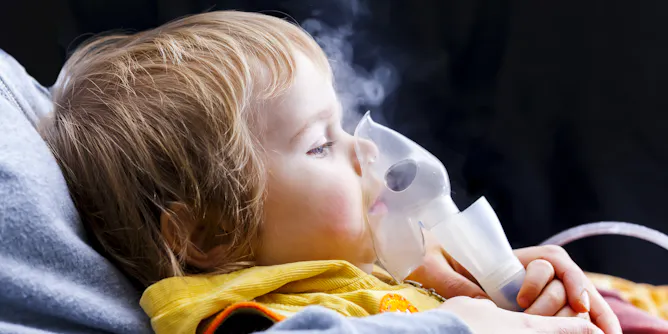
A new review of Australian asthma studies points the finger at three common household triggers.
Articles on Allergies
Displaying 61 - 80 of 136 articles

Drug manufacturers often shun the use of placebos in clinical trials. But research suggests that placebos could play an important role in the treatment of depression, pain and other maladies.

Trace metal exposure can lead to concerning neurocognitive effects in people of all ages.
Not only have asthma attack rates decreased during the pandemic, evidence suggests people with asthma are not at increased risk of severe outcomes from COVID.
CC BY-NC-ND8.9 MB (download)
Good news may be on the horizon for people who suffer from nasal allergies.

Australians have been sending their dust to our DustSafe program for us to analyse. Here’s what we’ve learned so far — and what you can do to reduce your dust risk.
Scientists are building a pollen forecasting model using meteorology, botany, pollen count numbers and satellite imagery to help people plan ahead.

People with conditions such as celiac disease must follow a gluten-free diet to manage symptoms and health. But avoiding gluten is difficult, costly and linked to nutrition issues and quality of life.

There’s no need for children with food allergies to miss out this Easter. Here’s how to include them in your celebrations and help keep them safe.

COVID-19 prevention measures are at odds with guidelines for healthy development of children’s immune systems. The result may be a cluster of youth with more allergies, asthma and autoimmune disease.
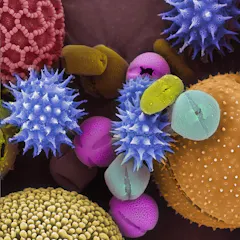
As climate change drives pollen counts upward, that could potentially result in greater human susceptibility to other viruses, as well.
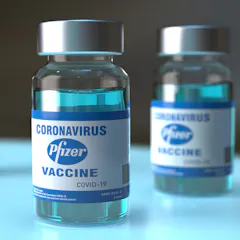
Reports of two UK health workers having allergic reactions after receiving Pfizer’s COVID vaccine have led to safety warnings for others at risk of anaphylaxis.
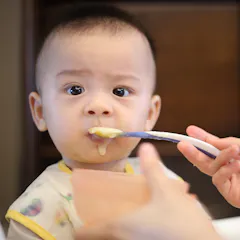
Introducing food allergens early is the best way to prevent food allergies from developing. Even in a pandemic, the benefits outweigh the very small risk of a severe reaction requiring emergency care.

If your child has accidentally eaten something you thought they were allergic to, but doesn’t have a response, they may have grown out of their food allergy. Here’s the safest way to check.

Many people are taking glucosamine for their osteoarthritis. But do they really need to stop in light of new safety warnings?

We used to think the rise in allergies was because we weren’t exposed to as many early infections as previous generations. But that’s not the case.
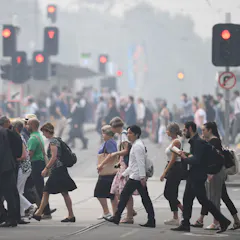
Bushfire smoke is making it difficult for some people to breathe. Those with asthma are at particular risk, but not everyone with the condition has been diagnosed. Here’s what to look out for.

More people are drinking unpasteurised milk but what does the evidence say?
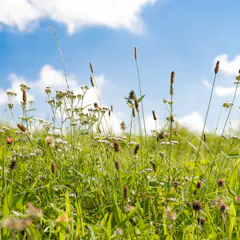
If you get hay fever, minimising your exposure to grass pollen is likely to be useful. Fortunately, it’s becoming easier to keep track of the pollen count. But what do you do when it’s high?
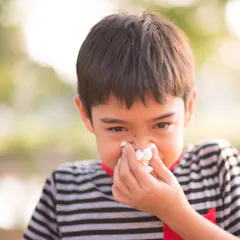
One in ten Australian kids get hay fever but it can be difficult to differentiate it from the common cold.
Top contributors
-

Honorary Associate Professor
-
Associate Pro Vice-Chancellor: Innovation and Knowledge Exchange, University of Nottingham
-
Respiratory Allergy Stream Co-chair, National Allergy Centre of Excellence; Professor and Head, Allergy Research Group, Queensland University of Technology
-
Evidence and Translation Lead, National Allergy Centre of Excellence; Chief Investigator, Centre of Food Allergy Research; Associate Professor and Group Leader, Childhood Allergy & Epidemiology Group, Child Health Research Centre, The University of Queensland
-
Postdoctoral Research Fellow, Child Health Research Centre, Faculty of Medicine, The University of Queensland
-
Professor of Immunology and Allergy, Western Sydney University
-
Ph.D. Student in Atmospheric Science, University of Michigan
-
Professor of Atmospheric Science, University of Michigan
-
Paediatric Allergist and Immunologist, Murdoch Children's Research Institute
-
Associate Professor in Biomedical Sciences, University of Canberra
-
Paediatric Allergist and Gastroenterologist, Murdoch Children's Research Institute
-
Professor&Chair of Paediatrics | HMRI, University of Newcastle, Australia | Senior Staff Specialist Paediatric Respiratory&Sleep Medicine | John Hunter Children's Hospital, Australia, University of Newcastle
-
Professor in Molecular Ecology, Bangor University
-
Associate Professor and Environmental Health Scientist, Macquarie University
-
Postdoctoral Research Officer, Bangor University