

Researchers have been trying to answer this question for many years. Here’s what we know so far.
Articles on Allergies
Displaying 21 - 40 of 136 articles

From sending more pollen airborne to breaking up pollen grains, which lets them penetrate deeper into your lungs, the wind is not the allergy sufferer’s friend.

An allergic reaction happens when your immune system overreacts to something that should be harmless. Whether that happens can be thanks to your genes, your environment or a combination.
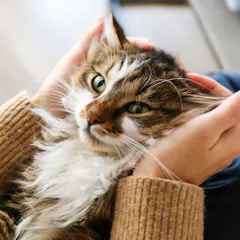
Cats make many of us sneeze – but don’t think a hairless cat will solve the problem.

A recent study found First Nations Australians were twice as likely to present to an emergency department with asthma or other allergy-related illnesses.

A rash may develop on your skin even if you’re not allergic to grass.
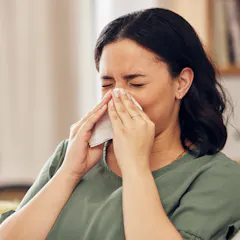
House dust mites feed off the skin cells we and animals shed. Symptoms of this allergy include an itchy nose, eyes and throat, sneezing and coughing.
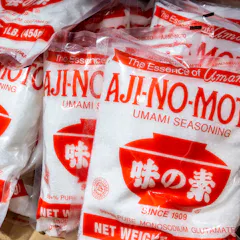
Suspicion around monosodium glutamate persists. But there is no evidence MSG is harmful, and a sprinkle in your cooking may boost its flavour while reducing your sodium intake.
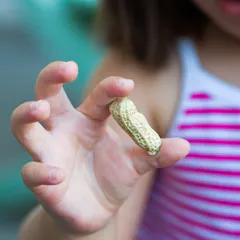
New study finds a large increase in food allergies in young children since 2008.
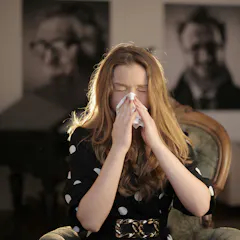
Oral antihistamines are not the best treatment to control hay fever – you’re better off with steroid nose sprays.

Beyond Australia, childhood food allergies seem to be on the rise around the world. Here’s where the research is up to.

Asthma attacks can result from immune cells overreacting to a harmless allergen. Tamping down iron levels in certain immune cells can help control their activity.

Honey has long been used as a natural remedy for many ailments.
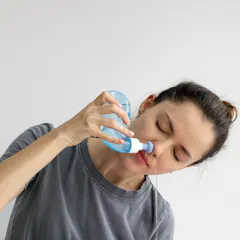
Nasal rinsing might seem like an effective home remedy for allergies but there are risks.

There is no cure for ‘aquagenic urticaria’, but some promising treatments are on the horizon.

Vegan foods are considered by most consumers to have no ingredients of animal origin, but they may actually contain milk proteins.
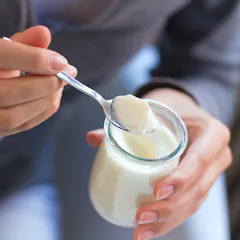
Fermented foods, such as yoghurt and kefir, are great sources of this immune-boosting microbe.
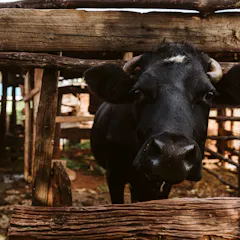
Kenya’s smallholder farmers aren’t using antibiotics properly, some are of poor quality and some antibiotics are being found in milk.

People who usually suffer from allergies are most at risk.

Up to 20% of Australians admitted in hospital say they have a penicillin allergy. But not everyone who thinks they’re allergic to penicillin actually is.
Top contributors
-

Honorary Associate Professor
-
Associate Pro Vice-Chancellor: Innovation and Knowledge Exchange, University of Nottingham
-
Respiratory Allergy Stream Co-chair, National Allergy Centre of Excellence; Professor and Head, Allergy Research Group, Queensland University of Technology
-
Evidence and Translation Lead, National Allergy Centre of Excellence; Chief Investigator, Centre of Food Allergy Research; Associate Professor and Group Leader, Childhood Allergy & Epidemiology Group, Child Health Research Centre, The University of Queensland
-
Postdoctoral Research Fellow, Child Health Research Centre, Faculty of Medicine, The University of Queensland
-
Professor of Immunology and Allergy, Western Sydney University
-
Ph.D. Student in Atmospheric Science, University of Michigan
-
Professor of Atmospheric Science, University of Michigan
-
Paediatric Allergist and Immunologist, Murdoch Children's Research Institute
-
Associate Professor in Biomedical Sciences, University of Canberra
-
Paediatric Allergist and Gastroenterologist, Murdoch Children's Research Institute
-
Professor&Chair of Paediatrics | HMRI, University of Newcastle, Australia | Senior Staff Specialist Paediatric Respiratory&Sleep Medicine | John Hunter Children's Hospital, Australia, University of Newcastle
-
Professor in Molecular Ecology, Bangor University
-
Associate Professor and Environmental Health Scientist, Macquarie University
-
Postdoctoral Research Officer, Bangor University