

Food allergies or health-related diet restrictions make navigating a holiday treat tray or buffet line risky. But there are steps guests — and party hosts — can take to make everyone safer.
Articles on Food allergies
Displaying 1 - 20 of 40 articles
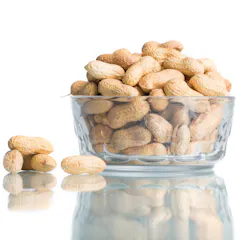
Introducing potentially allergic foods early on may actually help reduce the risk of developing a life-changing allergy.

A US study found peanut allergy diagnoses decreased 43% in the years after guidelines changed to recommend introducing these foods early in babies’ diets.

Over 21 million people in the UK live with allergies. Here’s why food labels need to keep up with the risks.

Reassuringly, documented allergic reactions during flights are very rare. But there are precautions you can take to reduce any risk.

Researchers have been trying to answer this question for many years. Here’s what we know so far.
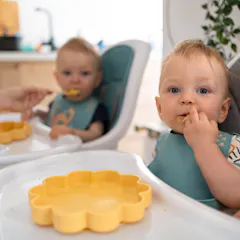
An allergic reaction happens when your immune system overreacts to something that should be harmless. Whether that happens can be thanks to your genes, your environment or a combination.

A recent study found First Nations Australians were twice as likely to present to an emergency department with asthma or other allergy-related illnesses.

You can have a reaction to various foods, but it’s not always an allergy – the difference lies with your immune system.
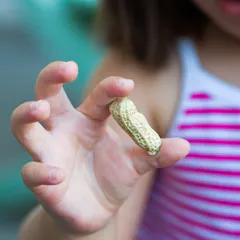
New study finds a large increase in food allergies in young children since 2008.

Beyond Australia, childhood food allergies seem to be on the rise around the world. Here’s where the research is up to.

You’ve heard of cow’s milk and peanut allergies. But what about tick-meat or fruit-pollen allergies?

Vegan foods are considered by most consumers to have no ingredients of animal origin, but they may actually contain milk proteins.

Food allergies have been linked to behavioral and mood disorders, including depression, anxiety and ADHD.

Evidence has shown that people with allergies and asthma are at lower risk of contracting COVID-19. Here’s why we think this might be.

Dining out can be risky and stressful for people with allergies, in part because many restaurant employees lack the training, skills and confidence to manage food allergies safely and effectively.

Up to 35% of people misdiagnose themselves (or their children) with a food intolerance or allergy. It’s time to set the record straight.

There’s no need for children with food allergies to miss out this Easter. Here’s how to include them in your celebrations and help keep them safe.
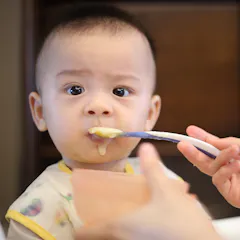
Introducing food allergens early is the best way to prevent food allergies from developing. Even in a pandemic, the benefits outweigh the very small risk of a severe reaction requiring emergency care.

If your child has accidentally eaten something you thought they were allergic to, but doesn’t have a response, they may have grown out of their food allergy. Here’s the safest way to check.
Top contributors
-

Evidence and Translation Lead, National Allergy Centre of Excellence; Chief Investigator, Centre of Food Allergy Research; Associate Professor and Group Leader, Childhood Allergy & Epidemiology Group, Child Health Research Centre, The University of Queensland
-
Postdoctoral Research Fellow, Child Health Research Centre, Faculty of Medicine, The University of Queensland
-
Senior Lecturer in Immunology and Microbiology, University of Newcastle
-
Paediatric Allergist and Gastroenterologist, Murdoch Children's Research Institute
-
Post Doctoral researcher - Experimental and Translational Respiratory Medicine Research Group, University of Newcastle
-
Professor in Immunology, University of Manchester
-
Professor&Chair of Paediatrics | HMRI, University of Newcastle, Australia | Senior Staff Specialist Paediatric Respiratory&Sleep Medicine | John Hunter Children's Hospital, Australia, University of Newcastle
-
Senior Staff Specialist in Paediatric Allergy and Immunology at John Hunter Children's Hospital Newcastle NSW Conjoint Lecturer in Paediatrics, University of Newcastle
-
Associate Professor and Endowed Research Chair in Allergy, Asthma and the Environment, University of Manitoba
-
Leonard C Harrison is a Friend of The Conversation.
Laboratory Head, WEHI (Walter and Eliza Hall Institute of Medical Research)
-
Professor of Molecular Biosciences, Queen's University Belfast
-
Professor of Immunology and Chair of the Department of Microbiology and Immunology, Cornell University
-
Lecturer in Law, Lancaster University
-
Former Lecturer in Nutrition and Dietetics, King's College London
-
Staff Specialist General Paediatrician at John Hunter Children's Hospital, Newcastle, Australia. Conjoint Lecturer & PhD student, University of Newcastle