

Introducing potentially allergic foods early on may actually help reduce the risk of developing a life-changing allergy.
Articles on Peanut allergy
Displaying 1 - 20 of 21 articles

A US study found peanut allergy diagnoses decreased 43% in the years after guidelines changed to recommend introducing these foods early in babies’ diets.

Reassuringly, documented allergic reactions during flights are very rare. But there are precautions you can take to reduce any risk.

Researchers have been trying to answer this question for many years. Here’s what we know so far.

Good things can come in chocolatey packages, but read the fine print if you want to avoid potential side effects of eating Easter treats.

Introducing food allergens early is the best way to prevent food allergies from developing. Even in a pandemic, the benefits outweigh the very small risk of a severe reaction requiring emergency care.

Evidence from a new study could help scientists develop drugs to neutralise the ‘allergic antibodies’ that cause anaphylaxis.

If your child has accidentally eaten something you thought they were allergic to, but doesn’t have a response, they may have grown out of their food allergy. Here’s the safest way to check.
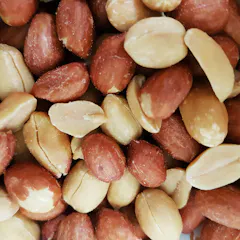
Peanut allergens have multiple allergenic traits that set them apart from other nuts.

There’s a new therapy for treating peanut allergy that is showing promise in phase 3 trials.

Avoidance is not the only option for very young children with peanut allergies.

With food allergies on the rise, it’s important to understand the role the skin plays in protecting or exposing us to reactions.

A worrying lack of open-minded research means we do not know exactly why food allergy is on the rise.

Don’t try this at home, kids.

Parents are now advised to introduce foods like peanut and egg to infants before one year of age.

New research published today shows the early introduction of egg (from four to six months) and peanuts (from four to 11 months) is linked to lower rates of egg and peanut allergy.

Allergies are reactions caused by the immune system as it responds to environmental substances that are usually harmless. But we don’t yet have a cure or the ability to prevent them from developing.

Severe allergies are on the rise – could our diet be to blame?

Rates of food allergies have increased over recent decades and are at an all-time high. While we don’t know the full extent of the allergy epidemic, the rate of hospitalisation for food allergies has quadrupled…

Changing the bacteria in the gut could treat and prevent life-threatening allergies, according to research published in the Proceedings of the National Academy of Sciences (PNAS) journal today. “These…
Top contributors
-

Evidence and Translation Lead, National Allergy Centre of Excellence; Chief Investigator, Centre of Food Allergy Research; Associate Professor and Group Leader, Childhood Allergy & Epidemiology Group, Child Health Research Centre, The University of Queensland
-
Postdoctoral Research Fellow, Child Health Research Centre, Faculty of Medicine, The University of Queensland
-
Senior Lecturer in Immunology and Microbiology, University of Newcastle
-
Paediatric Allergist and Gastroenterologist, Murdoch Children's Research Institute
-
Professor&Chair of Paediatrics | HMRI, University of Newcastle, Australia | Senior Staff Specialist Paediatric Respiratory&Sleep Medicine | John Hunter Children's Hospital, Australia, University of Newcastle
-
Pediatric Allergist; Head & Clinical Associate Professor, Division of Allergy & Immunology, Department of Pediatrics, Faculty of Medicine; Investigator, BC Children's Hospital Research Institute, University of British Columbia
-
Post Doctoral researcher - Experimental and Translational Respiratory Medicine Research Group, University of Newcastle
-
Senior Staff Specialist in Paediatric Allergy and Immunology at John Hunter Children's Hospital Newcastle NSW Conjoint Lecturer in Paediatrics, University of Newcastle
-
Assistant Professor of Medicine and Pediatrics and Director of the UNC Food Allergy Initiative, University of North Carolina at Chapel Hill
-
Grant Chair of Dermatology, Wellcome Trust Senior Research Fellow, University of Edinburgh
-
Professor in Health History, University of Strathclyde
-
Asssistant Professor, Department of Pediatrics, Section of Allergy and Clinical Immunology, University of Manitoba, Johns Hopkins University
-
Senior Lecturer in Gastro-Intestinal Health, Lancaster University
-
Assistant professor, Université de Montréal
-
Senior Lecturer and Head of Course Nutrition, HealthWise Research Group Lead, Appleton Institute,, CQUniversity Australia