
Writers from very different places can grapple with the same questions.
Articles on African languages
Displaying 1 - 20 of 55 articles
The way African language courses are offered at South African universities keeps social divisions in place.
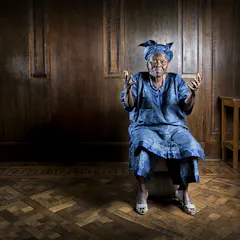
Oluwole faced a double challenge: a woman in philosophy and an African, confronting both sexism and Eurocentric bias.

When a language isn’t in the data, its speakers aren’t in the product – and AI cannot be safe, useful, or fair for them.

English readers can now encounter African novels as they were first imagined, in the rhythms of their own languages.
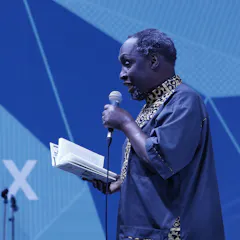
No African writer has as many major, lasting creative achievements in such a wide range of genres as Ngũgĩ wa Thiong’o.

The ǀxam language has been carved into a new building at Rhodes House to honour the labour and suffering of Africans during colonialism.
The new policy is an opportunity to promote equity and redress the past politics of language.

A new generation has been disrupting traditional publishing using new technologies and marketing methods.

Academic literacy is a mode of reasoning that aims to develop university students into deep thinkers, critical readers and writers.
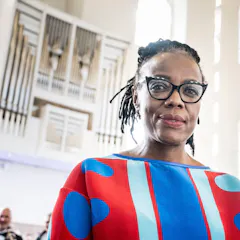
It reads powerfully in the Shona language, and is one of two of her books newly translated into it.
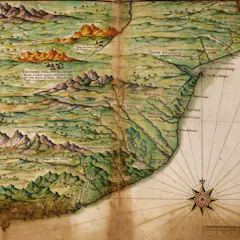
The history of the coastal communities of east Africa shows how ethnic groups and their languages were shaped.

Variations of English names reveal the enduring effects of British rule - but there’s also a return to tradition.
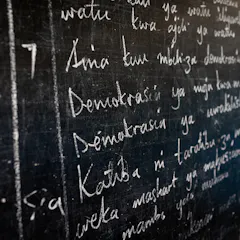
By the 1950s a standard version of the language emerged, today spoken by an estimated 200 million people.

Studies of African multilingual contexts are almost non-existent in high-impact scientific journals.

Novelist Petina Gappah’s call for translators on Facebook has resulted in the publication of Chimurenga Chemhuka.
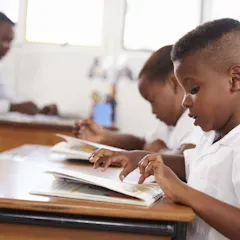
Reading fluency and expanding vocabulary are the bridge from decoding to comprehension. Weaknesses in any of these building blocks will limit a child’s ability to read for meaning.
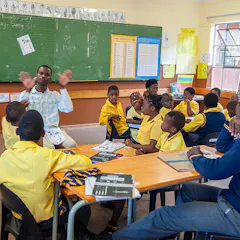
Making South African Sign Language official is more symbolic than useful in the lives of a very marginalised community.
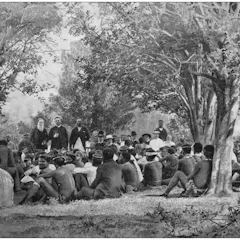
Missionaries and African translators working on local versions of the Bible divided South Africa’s ethnic groups by language.

There’s a new wave of indigenous language podcasts that could attract big new audiences.
Top contributors
-

Professor of African Language Studies, University of the Western Cape
-
Assistant Professor, Harvard University
-
Emeritus Professor of African Linguistics, University of Leipzig
-
Postdoctoral research fellow (Forensic Linguistics/ Language and Law), University of the Western Cape
-
Associate Professor in Applied Linguistics, Adelaide University
-
Lecturer on the New Generation of Academics Programme (nGAP) in African Language Studies, University of the Western Cape
-
Lecturer, Department of African Languages, Makerere University
-
Lecturer in African Languages, Makerere University
-
Subject Head, African Languages, Rhodes University
-
Senior Lecturer in African Languages, Rhodes University
-
Professor and Deputy Vice-Chancellor Teaching Learning, North-West University
-
Professor of Linguistics, University of Cape Town
-
Senior Lecturer, Applied Language and Literacy Studies, University of Cape Town
-
Professor emeritus Applied Language Studies, Nelson Mandela University
-
Adjunct Professor, Richmond American International University