
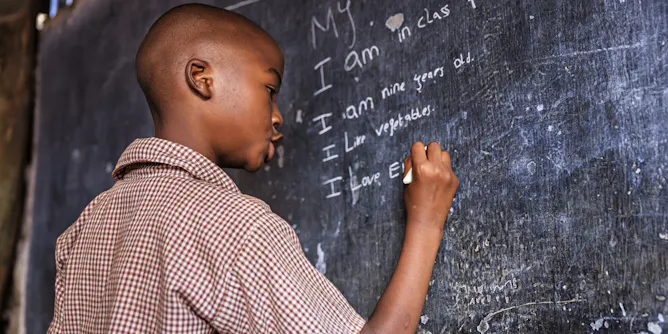
A pilot programme in 15 schools demonstrates how targeted, structured interventions can rapidly close foundational literacy gaps.
Articles on Kiswahili
Displaying all articles
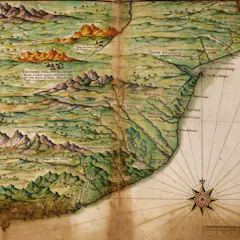
The history of the coastal communities of east Africa shows how ethnic groups and their languages were shaped.
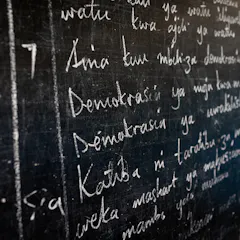
By the 1950s a standard version of the language emerged, today spoken by an estimated 200 million people.

Students’ fears were not unfounded. I recorded many instances of laughter punctuating student responses in class.
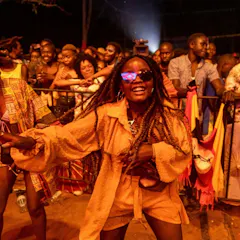
The non-stop four-day dance party is always controversial – this year because of threats of terrorist attacks.
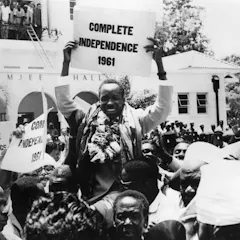
Over two millennia, Swahili has built bridges among people across Africa and into the diaspora.
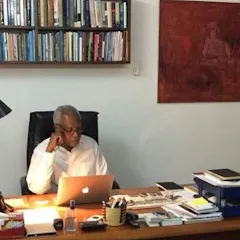
Despite a succession of different challenges, Bgoya’s approach has been consistent.
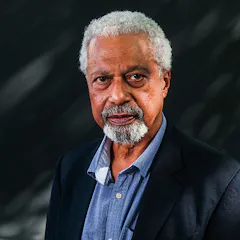
The power in Gurnah’s writing lies in his ability to complicate the Manichean divisions of enemies and friends.

There is something beautiful about African languages carrying science, fictionalised of course, into imagined futures.
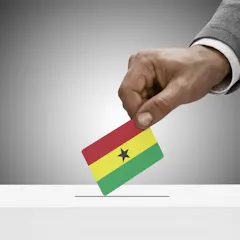
A dictionary of African politics reveals the witty and insightful political terminology that people in different African countries use.
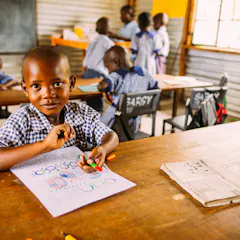
Research shows that mother tongue teaching is the most ideal tool for early child education.

Cost-effective, scaleable early childhood development and education programmes can make a huge difference.
Kiswahili will be easy for South Africans to learn compared to foreign languages from outside Africa.
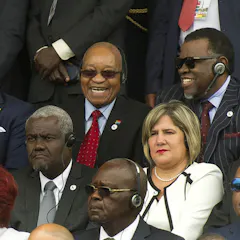
Raising the status of the African languages to that of official languages in South Africa post-1994 led to an explosion of translation and interpreting work in local and foreign languages.

Much of the recent commentary on Sino-African relations has a negative tone. But genuine cultural exchange holds the promise of mutual enrichment.
Top contributors
-

Post-doctoral fellow. Rhodes University, Rhodes University
-
Adjunct Professor, Richmond American International University
-
Teaching Fellow in Comparative Literature, King's College London
-
Director:Language Centre, Stellenbosch University
-
Associate Professor of Literatures in English, Cornell University
-
Assistant Professor of History, Brigham Young University
-
Professor of Democracy, University of Birmingham
-
Ohio University
-
Assistant Professor, Mississippi State University
-
PhD Student in Politics and International Studies, University of Warwick
-
Ohio University
-
Lecturer, University of Strathclyde
-
Senior Research Scientist, African Population and Health Research Center
-
DPhil Candidate, University of Oxford
-
Associate Professor, Department of History, University of the Witwatersrand, Johannesburg, University of the Witwatersrand