
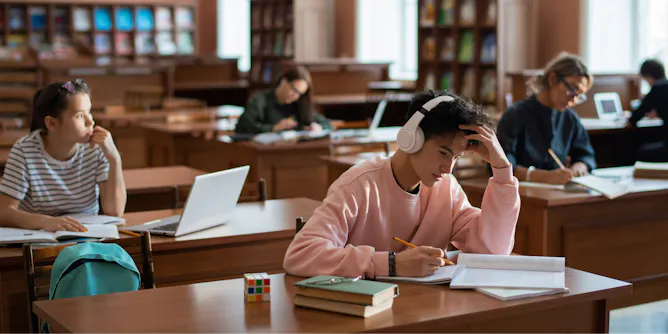
Classroom assessment is a major source of student stress. Research suggests redesigning assessments around psychological needs may improve well-being.
Articles on Academic performance
Displaying 1 - 20 of 29 articles

School choice heavily influences immigrant students’ experiences in Charleston schools and can leave them in segregated academic environments, new findings show.
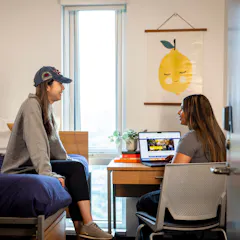
A study of more than 750,000 student records from four Toronto universities finds that living in residence is linked to better grades and higher satisfaction, especially for first-year students.

Whether students feel pressure to get good grades or keep up with classmates, the anxiety this effort produces can have long-term effects on their brains.

A rising number of school districts across the country are beginning their new academic years in July or August, raising the likelihood that kids and educators will encounter scorching days.

Grades can magnify inequities that exist in American schools, making it harder for some students to succeed.
Understanding the nuances of what mindfulness can look like in a classroom can help educators, parents and policymakers decide whether it belongs in their schools.
The study looked at students’ levels of confidence and anxiety, while monitoring their brain waves and sweat glands while they did a test.

Across the US, parents are leading the charge to limit cellphone use in schools.

We often think of self-esteem as either high or low, but the level of your self-esteem might be less important than the stability of your self-esteem.
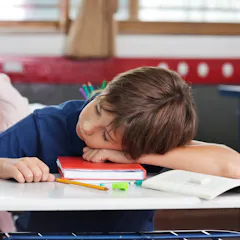
Capturing the experiences of students who are deaf or hard of hearing is important so schools can address fatigue related to listening and communicating efforts.
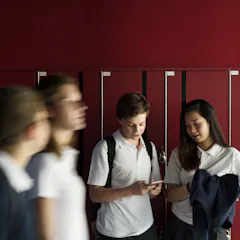
Classrooms should not be a free-for-all TikTok fest. But we need to support children to learn how to concentrate and function in a digitally-saturated world.
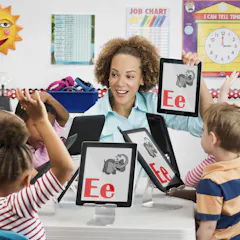
The COVID-19 pandemic – and the isolation it brought on – deprived many babies of the stimulating experiences they need to develop. Is the damage permanent? A language specialist weighs in.

An education researcher explains how most school rating websites lack a key piece of information about school performance.

Student experience or satisfaction surveys are not a reliable guide to teaching performance. Even worse, anonymous survey responses are at times little better than university-facilitated hate speech.
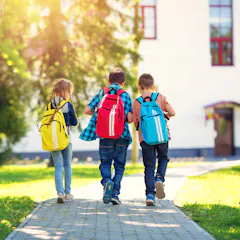
A study showed that, on average, more greenery around primary schools was associated with better NAPLAN scores. Higher exposure to traffic-related pollution was associated with poorer scores.

Research shows napping helps young children learn, as well as enhancing their emotional well-being.

Students suffer the double burden of malnutrition - hunger and obesity. This results in stress, ill health, poor academic results and increased drop-out rates.
We blame electronic devices for our increasingly sedentary behaviours. So why not harness them to study our movement patterns and tackle urgent health crises?

Nigeria has the world’s highest number of out-of-school children and over 60 million of its citizens are illiterate. Here’s what the country can do to improve its education sector.
Top contributors
-

Associate Professor in the School of Molecular and Cell Biology, University of the Witwatersrand
-
Chair, The Conversation Media Group
-
Professor and Deputy Vice-Chancellor (Research), University of Sydney
-
Professor of Elementary Mathematics, Queen's University, Ontario
-
Lecturer of Biology/Life Sciences (research in Science Education), University of the Witwatersrand
-
Associate Professor of Education, American University
-
Department Chair, Health Studies, American University
-
Scientia Professor of Economics, UNSW
-
National Director, AVID Australia, Victoria University
-
Head: Science Teaching and Learning Centre, Faculty of Science, University of the Witwatersrand
-
Emeritus Professor, University of New England
-
Associate Professor of Statistics, UNSW
-
Associate Professor of Psychology, The University of Texas at Austin
-
Professor of Psychology and Neuroscience Director, Colorado Learning Disabilities Research Centre, University of Colorado Boulder
-
PhD student in Psychology, The University of Texas at Austin