
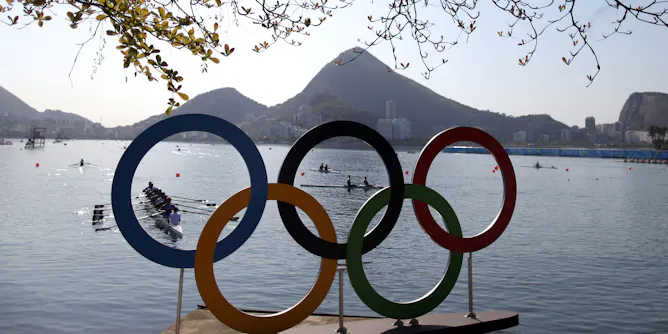
Doping simply gives athletes an advantage that can be compared to other forms of training regimes. So why the moral outrage?
Articles on 2016 Rio Olympics
Displaying 81 - 100 of 159 articles
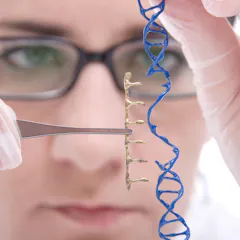
How new therapies could prove a headache for the world of sport.
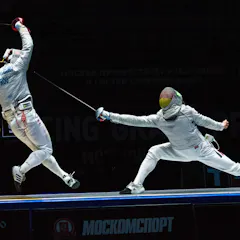
In foil, epee and sabre, Olympic fencers must have exceedingly rapid reactions. This academic (and fencer) is researching the sport.
The Olympic equestrian favourite is a dangerous business.
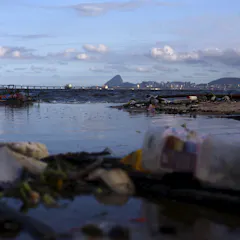
Wastewater treatment systems around the world are hamstrung by outdated tests that don’t identify a growing array of pathogens or identify the sources of pollutants.

Against the odds, Rio scores soft-power points with memorable show at Maracanã stadium.
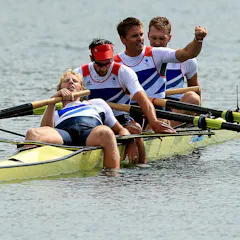
Your team mates might be the most effective performance-enhancers.
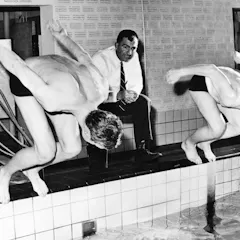
The Australian swim team hoping for medal success in Rio have a lot to thank one of the earlier pioneers of sport science: Forbes Carlile.
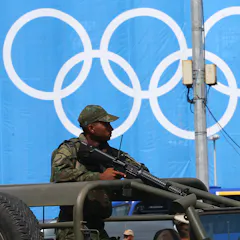
Unless they start giving Olympic gongs for curmudgeonly whinging, I don’t think I’m in the running “to medal”, as we apparently say these days. I realise I should be feeling a surge of patriotic pride…
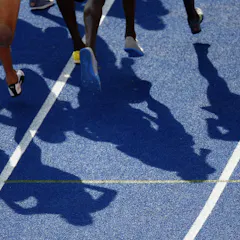
Over time, the body sizes and shapes of Olympians have been moving apart from each other at light-speed, and have become increasingly specialised and differentiated.
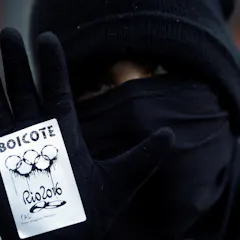
Protests against the Rio Olympics must be understood in the context of the growing global reaction to both the way these mega-events are organised and the entities promoting them.
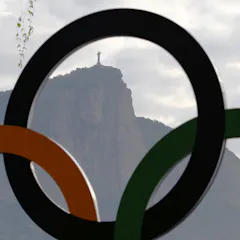
Will Brazil’s troubles in preparing for the Rio Games change the global narrative of the value of hosting the Olympics?
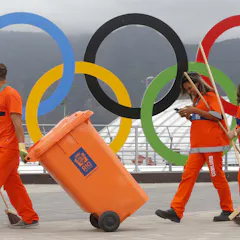
The doping scandal has dragged the Olympic brand through the mud – and making it shine again will be no easy task.

Elite athletes run differently to us mere mortals, but there’s nothing to stop you stealing a few of their techniques.
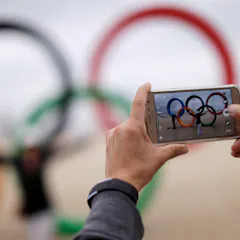
The mainstream media has knocked Brazil for the Zika virus, doping scandals and safety concerns. But citizen social media users, by revealing an alternate narrative, could even the score for Rio.
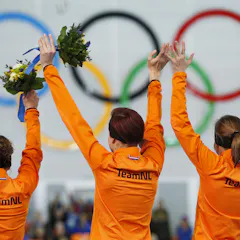
Medal counts for individual countries from the Sydney 2000 to London 2012 Olympics have been predicted relatively accurately, using just a small number of demographic and economic characteristics.
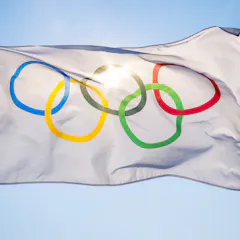
The IOC is incredibly protective of the Olympic brand. The rings, Rio 2016, and even the flame are all heavily guarded.
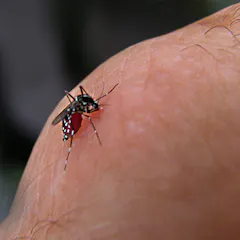
Zika had already reached 46,000 probable cases by the end of May 2016 and is transmitted by the same mosquito species as dengue and Chikungunya.
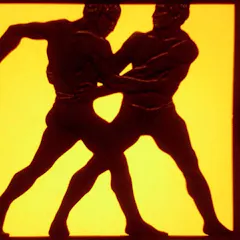
Dig into the details of the ancient Olympics and you find a lot of misinformation, but also a surprising amount in common with the modern games.
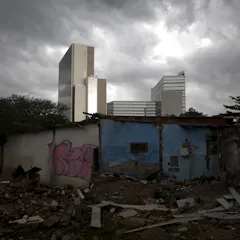
An architect rides through the streets of Rio amidst a cacophony of drills and jackhammers. He wonders: Is it worth it? What will the legacy of all this construction be?
Top contributors
-

Associate Professor of Sport Management, University of Technology Sydney
-
Associate Professor of Sport Management, Bond Business School, Bond University
-
Professor of Sport Management, Sheffield Hallam University
-
Professeur des universités, Université Paris 1 Panthéon-Sorbonne
-
Lecturer in Event Management, University of the West of Scotland
-
Chair in Science Communication & Future Media, University of Salford
-
Senior Lecturer, Faculty of Health Sciences and Sport, University of Stirling
-
Associate Research Fellow, Coventry University
-
Reader in Exercise and Health Physiology, University of Hertfordshire
-
Associate Professor of Screen Media, Victoria University
-
Director, Cities of Culture Research Observatory, University of Liverpool
-
Professor of Sport Management, University of Stirling
-
Professor and Chair of Allied Health Studies, Stephen F. Austin State University
-
Assistant Professor, School of Kinesiology and Health Science, York University, Canada
-
Professor of Health Sciences, Adelaide University