
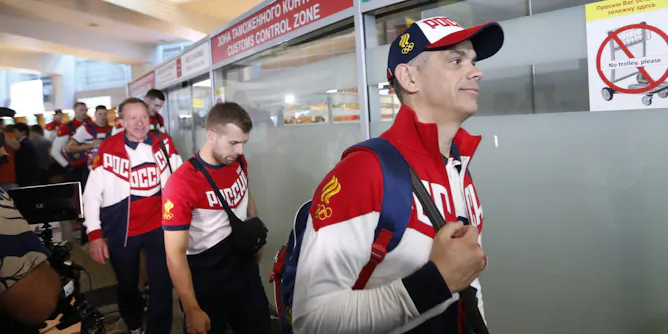
The IOC will allow Russian athletes to compete in Rio 2016 if they’ve been cleared by their respective international sporting federation of doping. Should other countries pull out of the games?
Articles on 2016 Rio Olympics
Displaying 101 - 120 of 159 articles
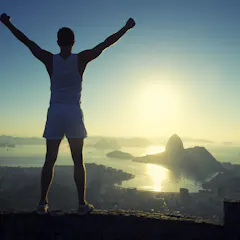
Athletes face as many as 640 organisational demands at a big competition – and they can all take their toll.
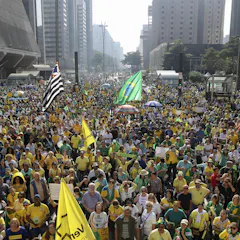
The Olympics provide Brazilians with a welcome distraction from their country’s fraught and bitter politics.

When fame and glory are at stake, human nature seems to dictate that some people will cheat.
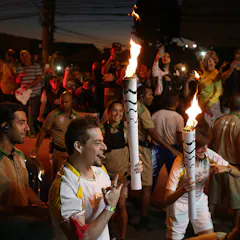
The Olympics may give Brazilians a respite from their perfect storm of recession, corruption and political dysfunction, but it won’t last long.
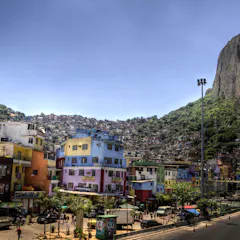
New York, Berlin and Paris have all suffered some ill effects from online rental platforms – without proper regulations, Rio could follow.
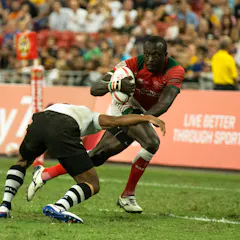
It’s down to money, popularity and a lot of lobbying.

As technology becomes fully integrated into our everyday lives, we may see athletes as the last vestiges of our humanity.
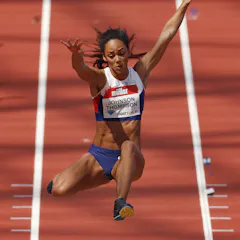
We’ve all heard that practice makes perfect, but that isn’t always true. Genetics, cognitive abilities and other traits influence athletic ability.
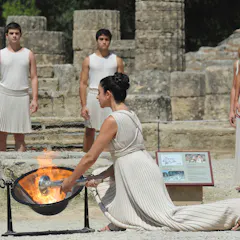
In a time when war and sports are the primary means of competition, Olympic gold has never been so valuable – or expensive.
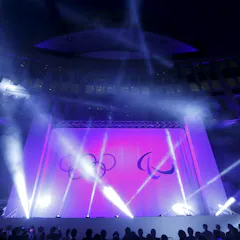
The Olympic Games are a theatre — sometimes farce, sometimes tragedy, reality TV, morality play or soap opera — where geopolitical, social and technological dramas are played out.
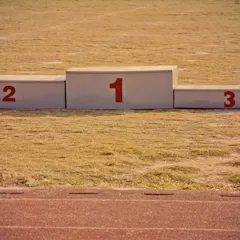
Results from the games can tell us a lot about how different nations approach elite women and disabled athletes.
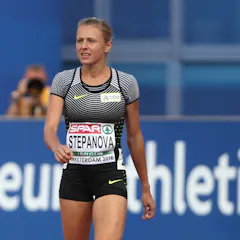
The scandal of systematic doping orchestrated by Russian government agencies and the Russian anti-doping body (RUSADA), involving the disposal of thousands of biological samples or their replacement with…

Only a better understanding of what drives doping can improve enforcement. To do so, we must break with the perception of doping as an individual or moral problem.
The countries who regularly top the medal table spend millions on training and developing athletes, money that poorer countries simply can’t afford to spend on their sporting stars.
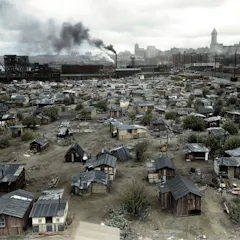
Like Brazil’s favela dwellers, America’s working poor felt a sense of pride and community in their shantytowns – and desperately resisted the powerful interests that sought to demolish them.

The chance the someone at the Rio games will import the virus to their home country is low.
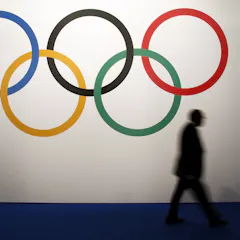
The 2016 Olympic Games is an invitation to a city known for partying more than anything else.
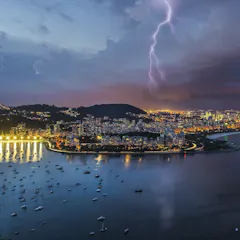
Why don’t we get rid of host cities altogether?
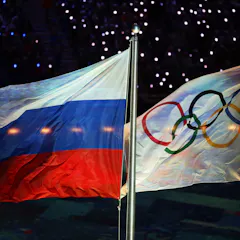
The International Olympic Committee will allow Russians wanting to compete in the Rio 2016 Olympics the chance to do so if they can prove they’re clean to their sports federation.
Top contributors
-

Associate Professor of Sport Management, University of Technology Sydney
-
Associate Professor of Sport Management, Bond Business School, Bond University
-
Professor of Sport Management, Sheffield Hallam University
-
Professeur des universités, Université Paris 1 Panthéon-Sorbonne
-
Lecturer in Event Management, University of the West of Scotland
-
Chair in Science Communication & Future Media, University of Salford
-
Senior Lecturer, Faculty of Health Sciences and Sport, University of Stirling
-
Associate Research Fellow, Coventry University
-
Reader in Exercise and Health Physiology, University of Hertfordshire
-
Associate Professor of Screen Media, Victoria University
-
Director, Cities of Culture Research Observatory, University of Liverpool
-
Professor of Sport Management, University of Stirling
-
Professor and Chair of Allied Health Studies, Stephen F. Austin State University
-
Assistant Professor, School of Kinesiology and Health Science, York University, Canada
-
Professor of Health Sciences, Adelaide University