
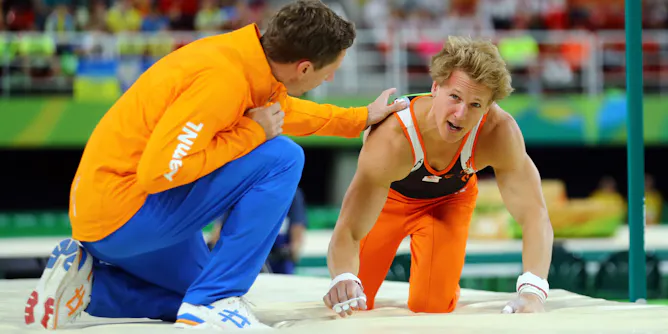
Some Olympic moments are a timely reminder of the human capacity to bounce back in the face of challenge or failure. But why do some people wilt, while others seem to do over or go again?
Articles on 2016 Rio Olympics
Displaying 41 - 60 of 159 articles
Badminton is one of the most popular sports in the world (especially across Asia, Denmark and the United Kingdom), with over 200 million people playing worldwide.

The way we consume sport is changing, and that’s having massive ramifications on the way sport and broadcast television are funded.
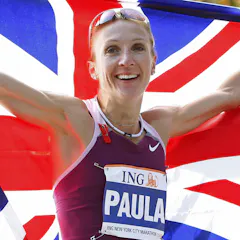
Just like an efficient car on a long trip, the best marathon runners also use less energy to run at a given speed.

When it comes to winning Olympic gold, it turns out timing isn’t everything.
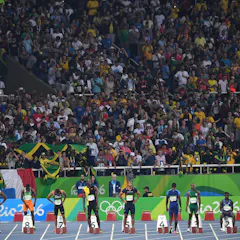
Athletes need to learn to find and access their ideal emotional state to achieve their best.
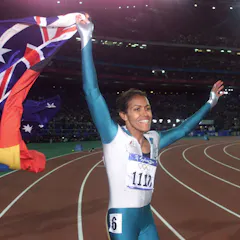
Athletes are increasingly expected to be good role models. But we don’t usually expect them to sacrifice their chance of winning to help others.
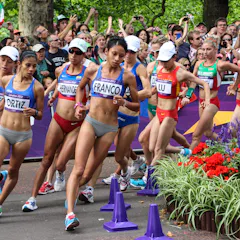
Racewalking has been part of the Olympic Games since 1904, but gets little respect in the United States. That might change if Americans knew a little more about it.
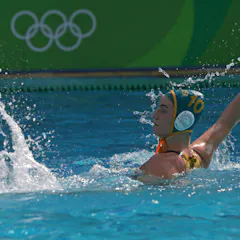
Three things go a long way to deciding water polo medallists.
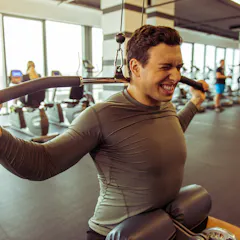
Working out is always good for you – until it’s not.
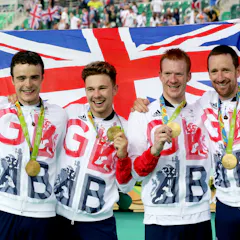
From a low point at Atlanta when Britain won only 15 medals, Team GB has improved every four years and stands on the brink of an historic achievement.
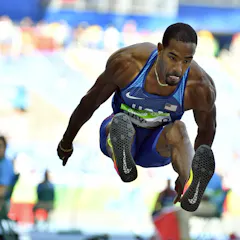
These athletes have the strength, speed and spring to jump over 18 metres.

Every few days, there are news reports of some kind of violence encountered by athletes or journalists at the Rio Games. To understand why, we need to understand how prevalent violence is in Brazil.
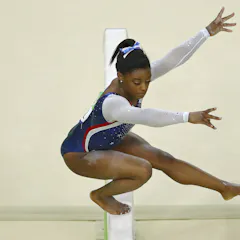
The psychological states athletes experience – temporary, brief, subjective experiences that happen during exceptional performance – are often collectively described as “the zone”.

A look at the diet of an Olympian – from ancient Greece to Rio 2016.
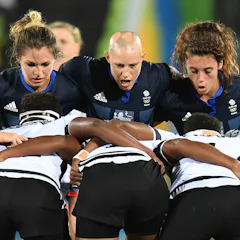
We’re used to categorising people as “male” or “female” – but that’s no excuse for lashing out when athletes defy our expectations.
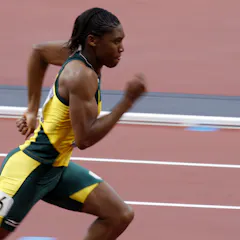
Some women naturally produce high levels of testosterone. Why is this innate condition treated differently from other conditions that potentially enhance athletic performance?
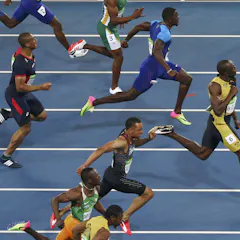
The fastest male and female sprinters attain incredible top running speeds with peaks in excess of 44km per hour and 38km per hour, respectively, in the men’s and women’s 100m races.
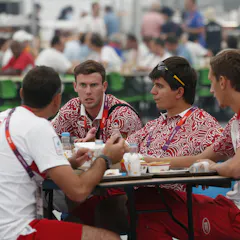
We all know that competing at the Olympics is the end product of years of training, but how much fuel do elite athletes need?
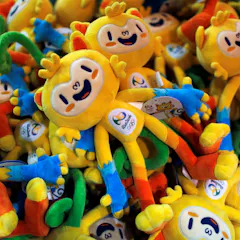
Olympic organizers are known for fiercely protecting their many related trademarks. It helps maintain their value – but to whose advantage?
Top contributors
-

Associate Professor of Sport Management, University of Technology Sydney
-
Associate Professor of Sport Management, Bond Business School, Bond University
-
Professor of Sport Management, Sheffield Hallam University
-
Professeur des universités, Université Paris 1 Panthéon-Sorbonne
-
Lecturer in Event Management, University of the West of Scotland
-
Chair in Science Communication & Future Media, University of Salford
-
Senior Lecturer, Faculty of Health Sciences and Sport, University of Stirling
-
Associate Research Fellow, Coventry University
-
Reader in Exercise and Health Physiology, University of Hertfordshire
-
Associate Professor of Screen Media, Victoria University
-
Director, Cities of Culture Research Observatory, University of Liverpool
-
Professor of Sport Management, University of Stirling
-
Professor and Chair of Allied Health Studies, Stephen F. Austin State University
-
Assistant Professor, School of Kinesiology and Health Science, York University, Canada
-
Professor of Health Sciences, Adelaide University