
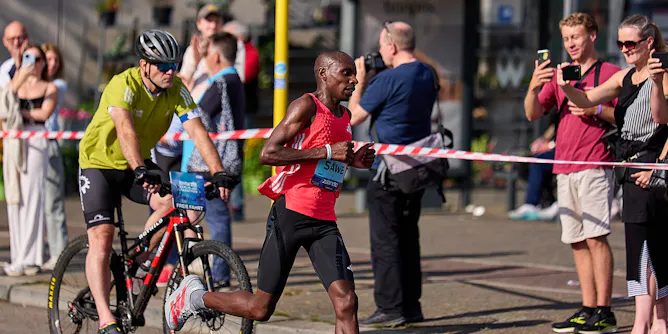
The real ‘secret’ of their success lies in a complex network of social mobility and connection with local communities.
Articles on Doping
Displaying 1 - 20 of 148 articles

The Enhanced Games wound up on May 24 2026 without the medal shower that was widely expected, but what does the multi-sport event really stand for when it’s stripped of the moral frenzy?
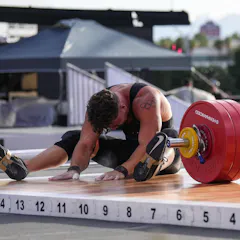
The Enhanced Games promised superhuman athletes and shattered records. But it delivered neither.

We’re outraged that the Enhanced Games allows doping, yet fans happily watch boxers suffer brain damage. The real scandal is the hypocrisy about athletic harm.

People are injecting compounds we barely understand.
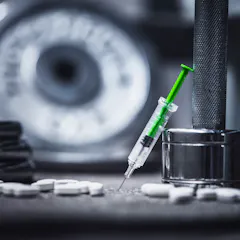
WADA’s fight against doping in sport is under threat due to its funding model and challenges maintaining its independence and impartiality.

Two stars have tested positive for banned substances in the past year, raising questions about the fairness, transparency and accountability of the testing system.

Big money ‘mega events’ often undermine sport’s values in front of millions of spectators.

Evidence suggests different psychotropics can affect athletic performance in both positive and negative ways. How does this affect doping rules for athletes who take mental health medications?
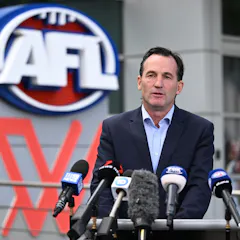
The confidential, medical nature of the AFL’s illicit drug policy has triggered critics – is the policy working, and how can it be improved?
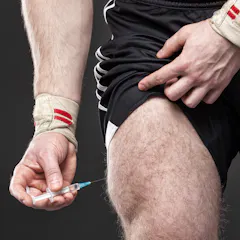
Will allowing doping open new horizons of sports performance?
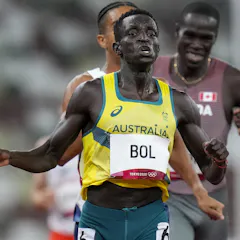
It’s important for all athletes, and for trust in the anti-doping system, that the validity of the EPO test and the interpretation of the analysis can be transparently relied on.

The lack of government action in response to allegations of sexual abuse in Canadian sport contrasts with the response to previous scandals and highlights the racial and gender inequalities at play.
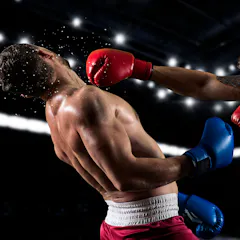
When cheating in sport leads to injury, it’s not always clear when the courts should intervene.
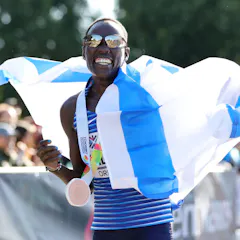
The decline in Kenyan medals at the world championships is due to increased competition and a lack of investment at home.
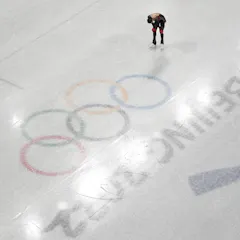
Banning young athletes from the Olympics would mean we miss their spectacular performances, but considering all we know about overtraining, exploitation and abuse in sport, that might be OK.
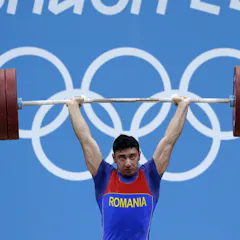
Anti-doping efforts are not stopping cheating in sport. Unless there’s a game changer in technology, we might just have to live with a certain amount of doping in the Olympics.

Athletes are not the enemy. Cases of extremely low levels of prohibited substances could be referred to a third party for investigation, rather than putting the burden on the athlete.

In the wake of debate about cannabis, performance-enhancing drugs and the Olympic Games, athlete-driven doping legislation is the way forward.

Retrospective drug testing is meant to help deter doping in sport, but will the public become indifferent to drug taking as more and more cheaters are caught?
Top contributors
-

Senior Lecturer, Faculty of Health Sciences and Sport, University of Stirling
-
Adjunct Senior Lecturer, School of Business, UNSW-Canberra, UNSW
-
Postdoctoral research fellow, University of Sydney
-
Adjunct Associate Professor of Public Health, Victoria University
-
Associate Professor of Sport Management, University of Technology Sydney
-
Professor of Sports Law, Melbourne Law School, The University of Melbourne
-
Visiting Fellow, La Trobe University
-
Honorary Associate, Faculty of Business, School of Management, University of Technology Sydney
-
Visiting Scholar, School of Business, CBR, UNSW
-
Professor of AfroEurasian Sport, EM Lyon Business School
-
Senior Lecturer in Ethics, Department of Sport and Exercise Sciences, Swansea University
-
Lecturer in Law, Deakin University
-
Associate Professor in Psychology, CQUniversity Australia
-
Chen Su Lan Centennial Professor in Medical Ethics, National University of Singapore; Distinguished Visiting Professor in Law, University of Melbourne; Uehiro Chair in Practical Ethics, The University of Melbourne
-
Research Fellow in Anti-Doping, Leeds Beckett University