

A new study has found that Tasmanian tigers had an adaptation found in no living carnivorous mammal.
- Professor in Evolutionary Biology, College of Science and Engineering, Flinders University

Dodo skull scans show the famously extinct birds were no less brainy than their surviving relatives – and may have roamed at dusk and dawn.

Can a new database of 3D bone scans help solve the mystery of the elusive ngudlukanta?

Knowing what an animal eats can help biologists find it – especially when a species is as elusive as this one.
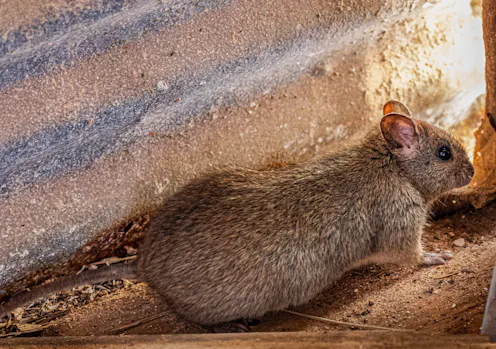
An endangered rodent and a thorny, impenetrable weed doesn’t sound like a good match. But stick-nest rats have made homes out of African boxthorn
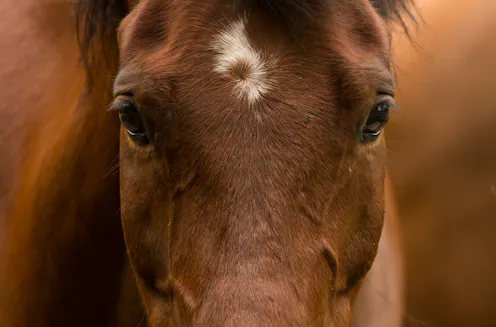
It also explains why there are exceptions to the rule – including humans, who have strikingly short faces relative to the braincase.
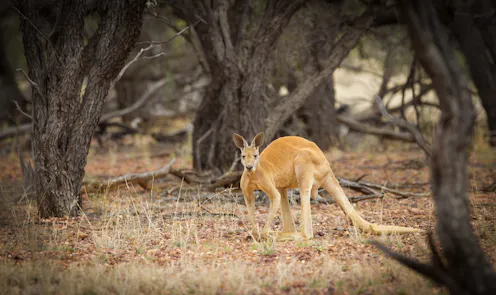
The merits of the dingo fence are hotly debated, and there have been calls to pull it down. We need a better understanding of how the mega-structure affects species that live along it.
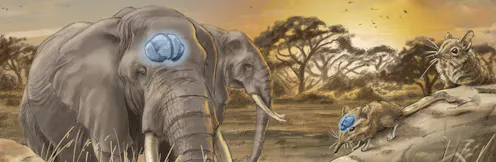
Some animals, such as California sea lions, have small brains relative to their body size, but are still impressively intelligent, showing brain evolution is even more complex than it appears.
Contact Vera for
- General
- Media request
- Speaking request
- Consulting / Advising
- Research collaboration
- Research supervision
- Location: Adelaide, Australia
- Website
- Article Feed
- ORCID
- Joined
