
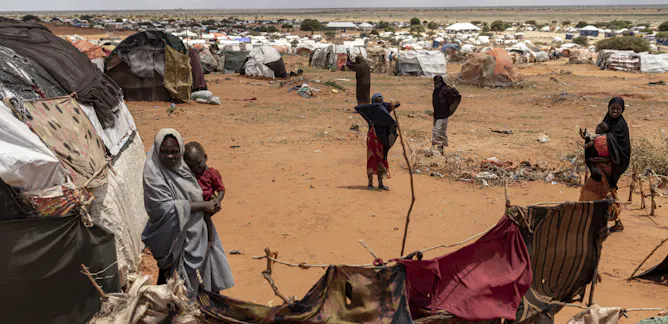
African countries are now crafting the first continent-wide framework to tackle how climate disasters can worsen hunger, displacement and conflict.
CGIAR

CGIAR is a global research partnership for a food-secure future. CGIAR science is dedicated to reducing poverty, enhancing food and nutrition security, and improving natural resources and ecosystem services. Its research is carried out by 15 CGIAR centers in close collaboration with hundreds of partners, including national and regional research institutes, civil society organizations, academia, development organizations and the private sector.
Links
Articles
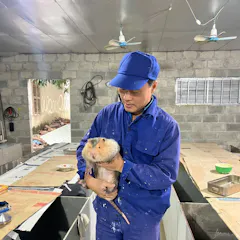
Nearly 9% of Vietnamese wildlife farmers have been infected with hantavirus, pointing to the risks of current farming practices.
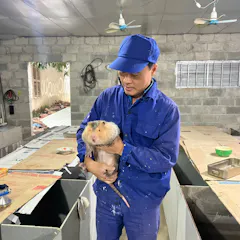
Antibodi hantavirus ditemukan pada sejumlah peternak di Vietnam. Diduga, akibat buruknya manajemen pengendalian penyakit di peternakan.
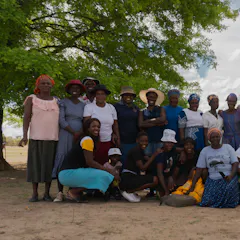
New research shows how women in rural Zimbabwe rebuilt their lives after Cyclone Dineo displaced hundreds of families and swept away their homes.
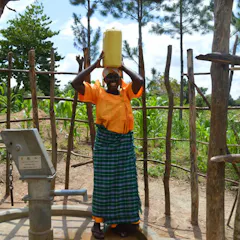
Solutions for food systems exist; scaling them is where the challenge lies.
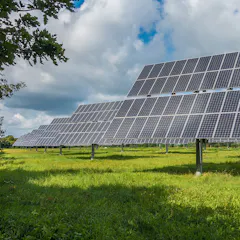
Africa is rapidly expanding electricity generation, but new research shows energy planning must also account for water scarcity and carbon dioxide emissions.

Ethiopian communities are cheaply filling destructive gullies with soil, stones and branches and replanting them to stop erosion and restore farmland.
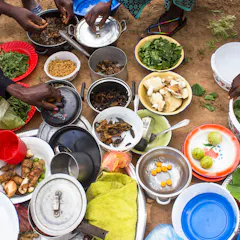
Millions of people in west Africa and the Sahel region face starvation.
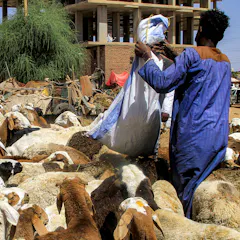
Armed actors in fragile contexts typically engage in sectors where they can quickly extract profits.
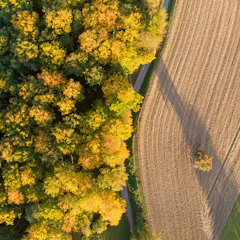
Ce dilemme ne vous dit peut-être rien, mais il a été une question centrale chez tous ceux qui veillent à la protection de la biodiversité. C’est celui du « land sparing » ou du « land sharing ».

South Africa’s G20 presidency is a chance to lobby for investment in drought-tolerant crops, better irrigation, and early warning systems.

Where governance is weak and food supplies are unreliable, climate change causes child wasting and can be a warning sign of conflict to come.
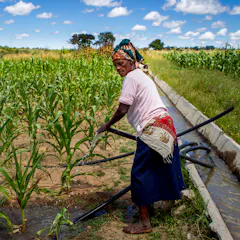
Small-scale irrigation schemes in southern Africa can produce more food, support more jobs and be more profitable for the local community.

Les stratégies de lutte contre le mpox doivent aussi s’attaquer à la cause profonde de l’épidémie de variole simienne en Afrique : les conditions de vente de viande sauvage sur les marchés.
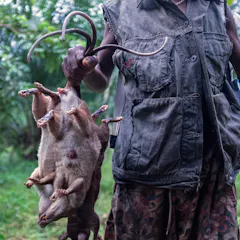
Strategies to beat a disease outbreak like mpox must start with the root causes.
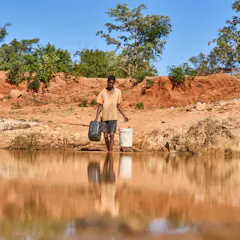
Climate change disrupts community stability, especially when it leads to food shortages and displacement. Governments must work with communities to set up policies to prevent this.
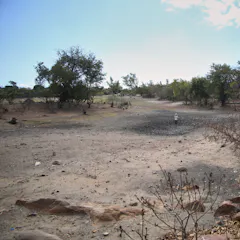
The drought is driven by El Niño, an unusual warming of surface waters in the eastern tropical Pacific Ocean that shifts weather patterns.

With the climate heating up rapidly, African cities must green every space to cool down and absorb more rain water, minimising floods. Nature-based solutions can make a huge difference.
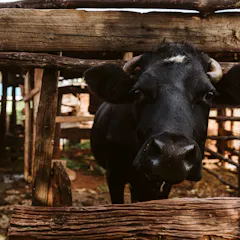
Kenya’s smallholder farmers aren’t using antibiotics properly, some are of poor quality and some antibiotics are being found in milk.
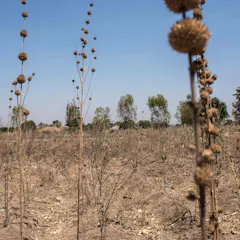
Food security experts recommend that rural farmers in Malawi be given access to irrigation systems to free them from reliance on rain, and find ways outside farming to earn an income.
Authors
-

Research Analyst, CGIAR
-
Spatial Econometrician, CGIAR
-
Senior researcher - Integrated modelling and assessment, CGIAR
-
Senior Researcher - Climate risk management and disaster resilience, CGIAR
-
Gender and Migration Scientist; Regional Lead for Southern Africa in the CGIAR FOCUS Climate Security Team, CGIAR
-
Senior Economist, Co-lead CGIAR FOCUS Climate Security, CGIAR
-
PhD Fellow, Uppsala University; CGIAR
-
Research Analyst, CGIAR
-
Research Team Lead for East Africa - Climate Security, CGIAR
-
Senior Economist, CGIAR
-
Chercheur en agroécologie, CGIAR
-
Assistant Professor, Health Sciences, Wilfrid Laurier University; CGIAR
-
Director - CGIAR Scaling for Impact, CGIAR
-
Economist - Climate Security Specialist, CGIAR
-
Senior Researcher - Environment and Development, CGIAR