
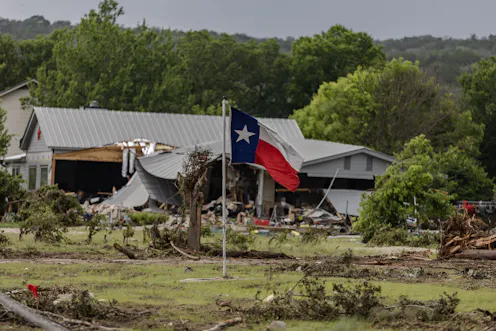
There are ways the state could help these communities, as a team of disaster planning specialists explains.
Environment + Energy – Articles, Analysis, Opinion
Displaying 426 - 450 of 3160 articles

Sports face a sustainability challenge: They’re under pressure to grow, but more travel means more emissions that add to rising global temperatures. The NCAA is also weighing expanding March Madness.
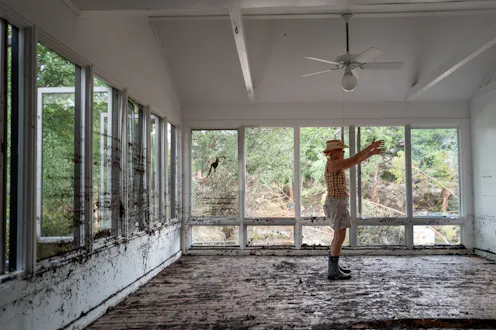
FEMA flood maps are essential tools for identifying flood risks, but they have significant coverage gaps, and politics can get in the way.
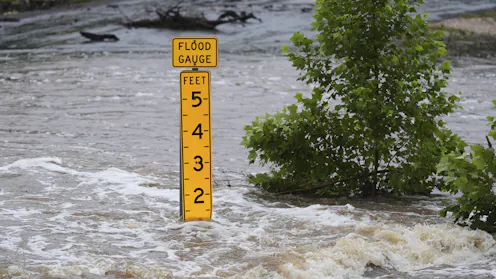
As flash floods ravage areas like the Texas Hill Country, research shows that technology alone cannot save lives during flooding emergencies.
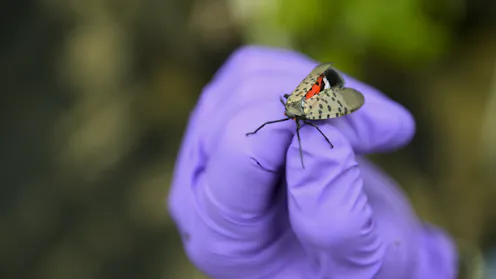
An entomologist describes how the sap-sucking insects can weaken grapevines and reduce fruit yield and quality.

Storm systems, heat waves, bright sunlight, even lightning – for millions of people, weather changes can bring on painful headaches.
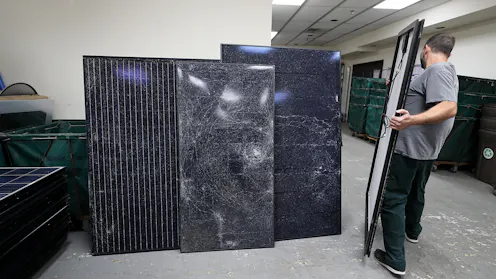
Recycling solar panels seems like a smart idea, but it’s complicated. Built to withstand years of wind and weather, solar panels are designed for strength, not easy breakdown.
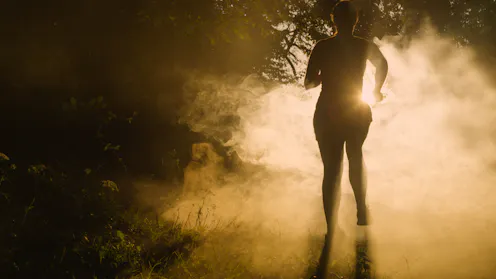
Factors like your health status and how hard you exercise can help gauge the risk of wildfire smoke exposure.
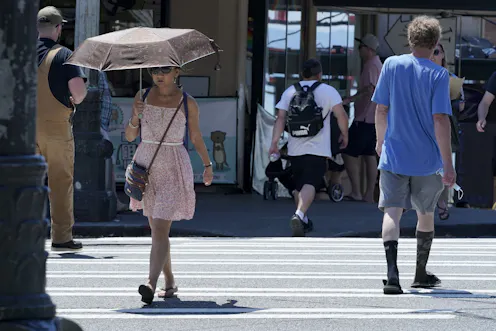
The administration said the grants were ‘no longer consistent with EPA funding priorities.’ Spokane, which has faced deadly heat waves in eastern Washington, shows who is at risk.
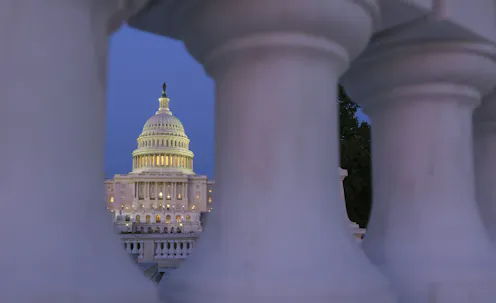
The new federal law favors energy technologies that are already profitable and increase global warming over cleaner approaches that could use the investment support.
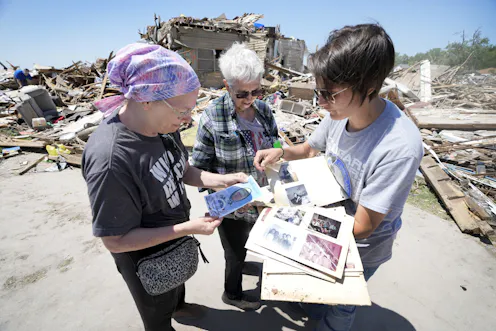
Rural hospitals have been closing, putting emergency care further out of reach, but that’s only one of the heightened challenges aging rural communities face after a disaster.

An astrophysicist who spent time doing research at the South Pole gets to the bottom of how things feel at the ends of the Earth.
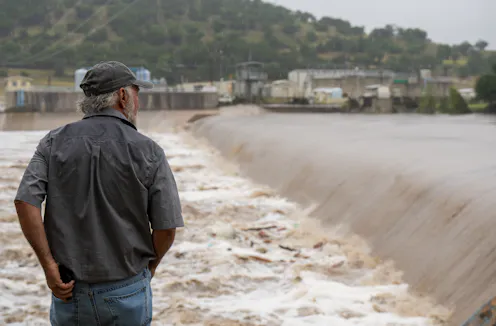
A hydrologist explains why the region is known as Flash Flood Alley and how its geography and geology can lead to heavy downpours and sudden, destructive floods.
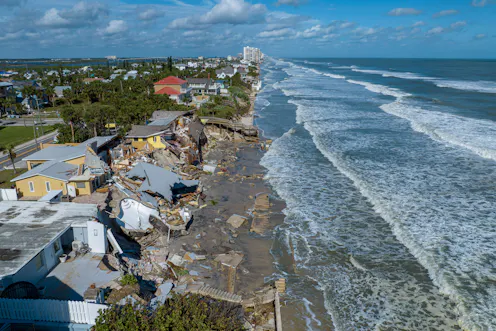
The Defense Meteorological Satellite Program has been particularly important for understanding when a hurricane is about to rapidly intensify, a dangerous situation for coastal communities.
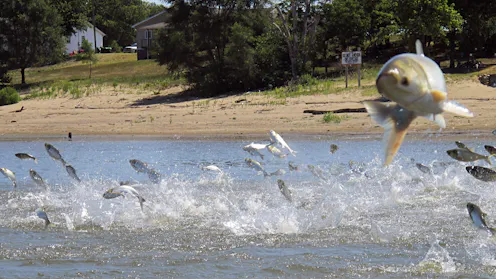
Democratic governors and President Donald Trump agree to fight an invasion of non-native fish that has spread up the Mississippi River and threatens the Great Lakes.
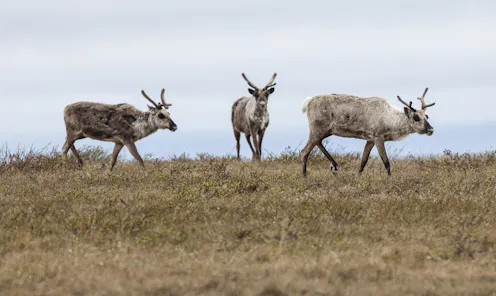
Caribou, migrating birds and many other types of wildlife rely on this expanse of wetlands and tundra. But about 5.5 million acres are being put up for oil and gas leases in March 2026.

The White House proposal represents a dramatic retreat from the national goals of clean air and clean water enacted in federal laws over the past 55 years.
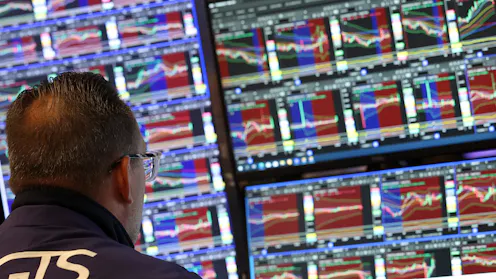
Fears about supply, demand, profits and supply chains all combine into a volatile mix that delivers prices that are often higher in a crisis, but also change more rapidly and by larger amounts.
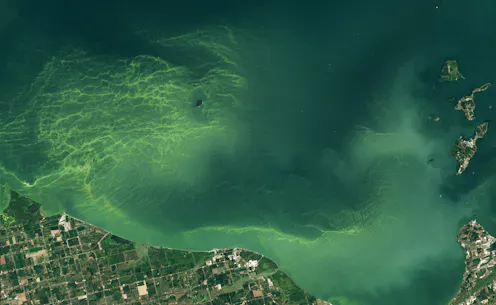
The blooms have become an annual problem in the Great Lakes. DNA studies show what’s growing there and why it’s dangerous.
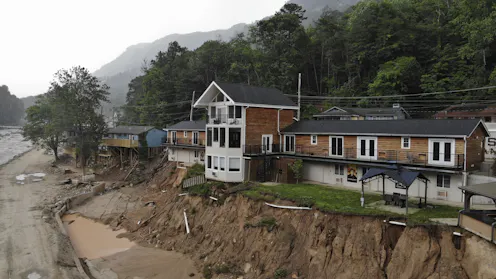
Risk models can’t rely just on the past anymore. A team of geoscientists suggests new ways to forecast evolving hazards in real time as cascading disaster risk worsens.
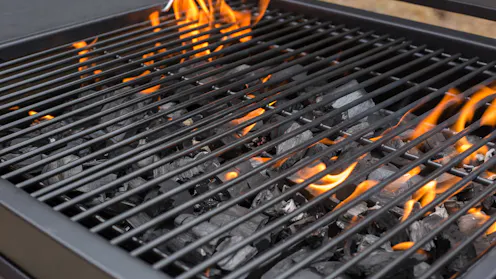
None of the analyzed bags of lump charcoal gave buyers as much effective grilling fuel as their labels promised.
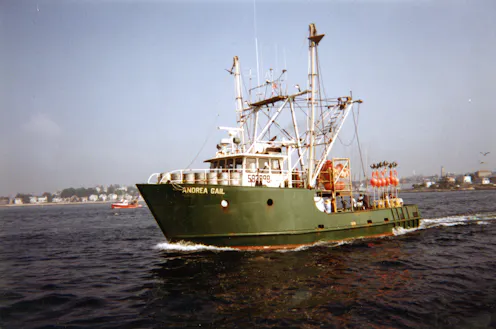
Fishing was once more open to all off New England. After devastating fishery collapses, stricter rules helped fish stocks recover, but they also changed the face of fishing and the lives of fishermen.

When presidential administrations turn over, funding levels and project priorities change. A look at one specific government office demonstrates how these shifts in direction waste time and money.
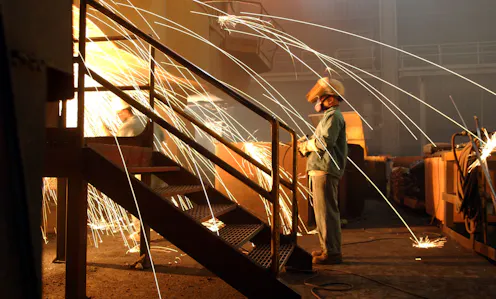
The Trump administration is pulling back billions of dollars in industrial development money for carbon capture and storage projects. That may force industries to actually cut emissions instead.
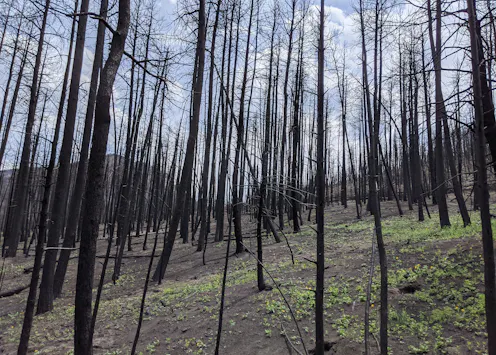
Scientists analyzed water quality in 145 watersheds after wildfires and found dramatic spikes in contaminants.