
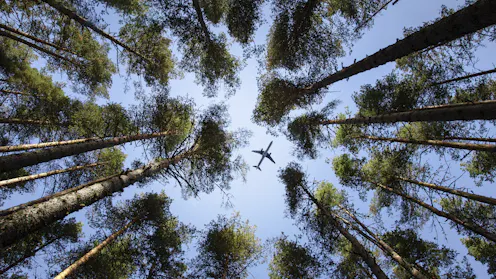
Exciting as it sounds, most of this technology is still locked away in labs, not available in airports.
Environment + Energy – Articles, Analysis, Opinion
Displaying 401 - 425 of 3160 articles
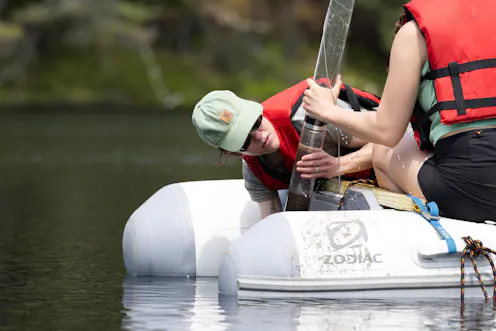
Acid rain and metals from power plants, vehicles and industries reached remote mountain lakes for years. Evidence from those lakes today shows the success of the Clean Air Act.
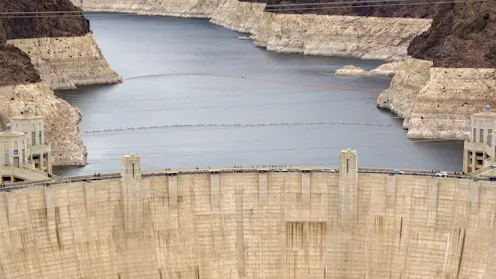
Long-standing water-use agreements allocate more water than the river and its basin actually contain, forcing users to cut back and face future shortages as well.
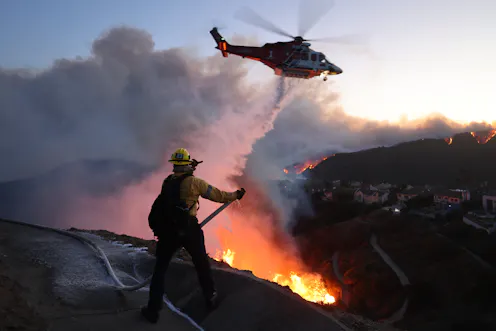
Parts of California are seeing fire season start more than 10 weeks earlier now than in the 1990s.

States used to be on their own when a disaster hit. Then the Great Mississippi River Flood of 1927 and the Dust Bowl showed why federal coordination was essential.

Studies have linked ticks on 6 continents to alpha-gal syndrome and its unusual symptoms. An entomologist explains what this frustrating illness is.
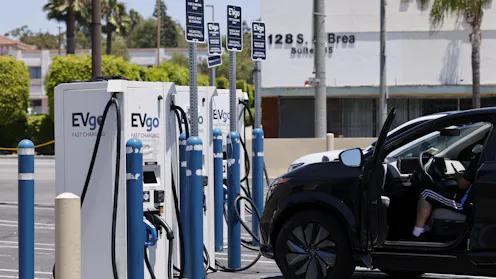
The American public agrees that vehicle emissions are harmful and should be regulated, and has indicated strong preferences for cars that pollute less.
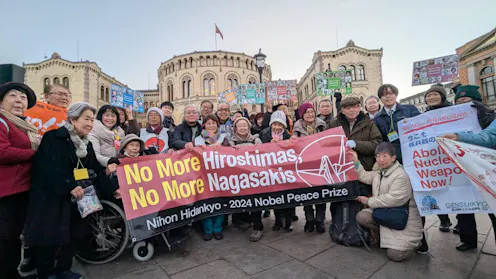
The voices of the Hibakusha offer not only memory, but also moral clarity in an age of growing peril.
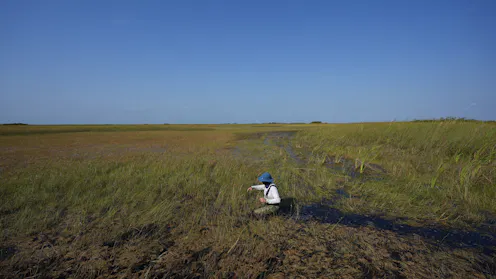
The National Park Service is not just focused on helping people enjoy the outdoors, but also on conserving wild places.
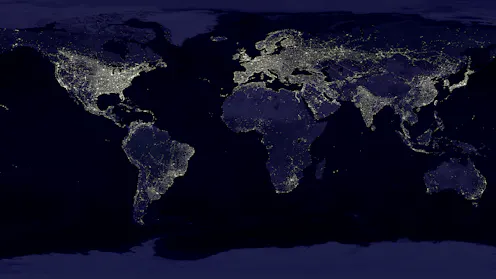
Power grids could likely handle the surge of demand, but all that light would pollute dark zones nearby.
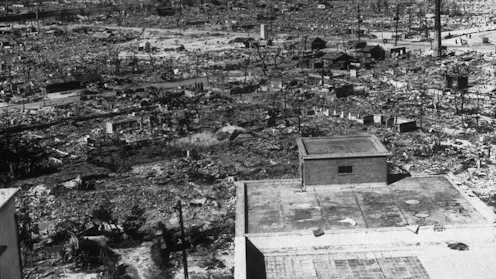
In the wake of the US attacks, the international community asked itself how it could ensure that such horrors were never repeated.
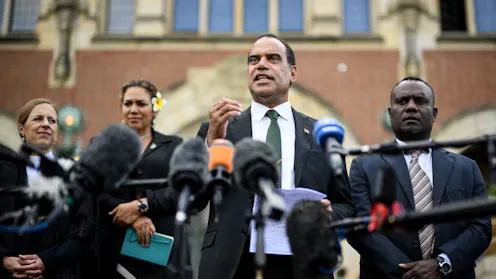
The ruling stems from the harm island nations are suffering as sea level rises, and it opens a door for future claims for reparations. But getting to that point isn’t so simple.
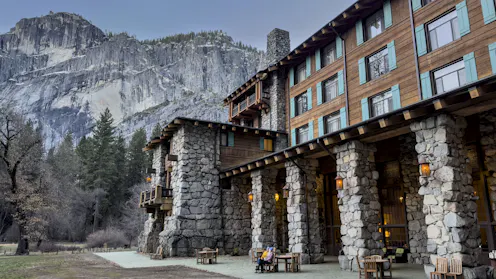
Debate over turning public national park land into private profit dates back more than a century.

Trump’s efforts haven’t sunk global efforts to fight climate change – instead, new leaders are stepping up and working together, even within the US.
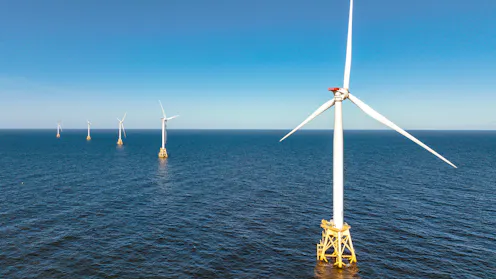
States take the lead on regulation of planning, site selection, leasing and other elements of offshore wind projects in the Great Lakes, though the federal government has a role as well.
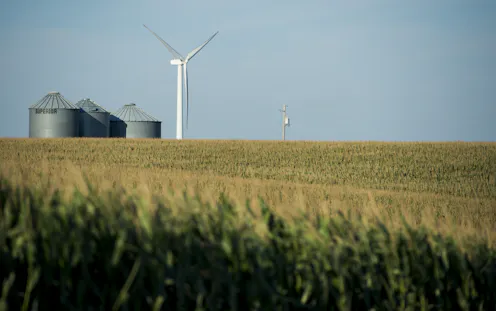
Rural counties also benefit in jobs, manufacturing and tax revenue that will be hard to replace as the US government slashes support for the industries.
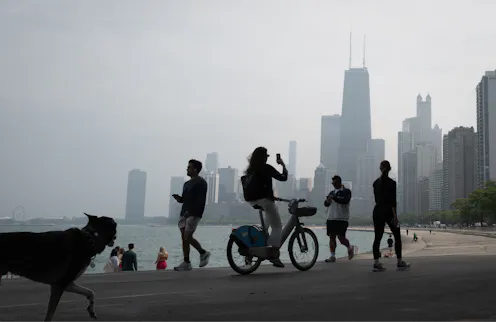
As wildfire smoke becomes a frequent summer hazard across large parts of the US, knowing the risk at the neighborhood scale matters for human health.
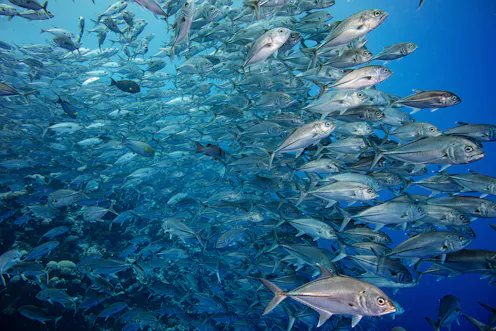
Satellite technology that can track ships even when they ‘go dark’ finds that those protected areas that fully ban industrial fishing are succeeding, even if others aren’t.

Large parts of the central and eastern U.S. have seen at least 50% more precipitation than normal. An atmospheric scientist explains why and what creates flash flood weather.
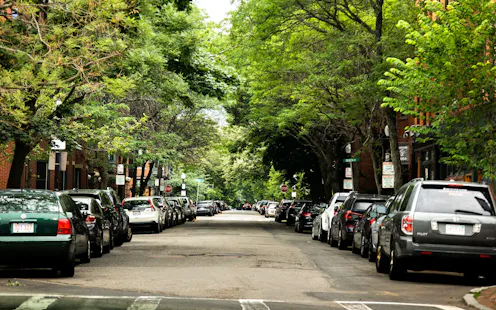
Cities are seeking low-cost ways to ease the heat island effect. Researchers found benefits and trade-offs in two popular options, but they vary by city and even neighborhood.
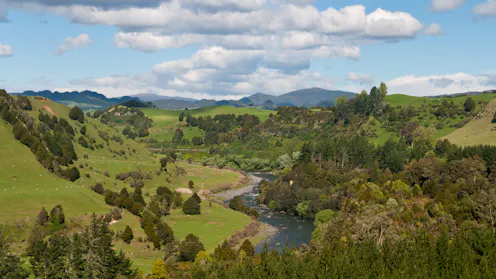
Approaches vary in terms of who is filing the lawsuit, against whom and whether it is based on protecting human rights or the rights of the environment itself.
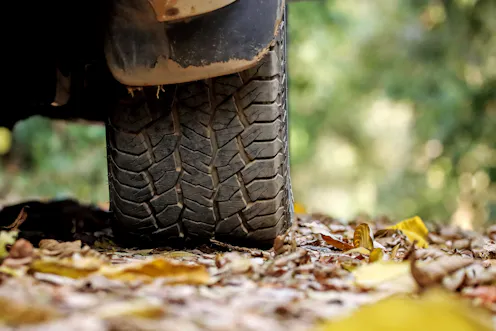
Rain storms wash those tire shards into streams and ultimately into lakes and oceans. That’s bad news for fish and other aquatic life.
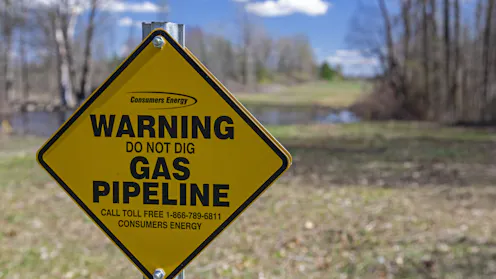
Methane reacts in the atmosphere to form components of fine particulate air pollution, which can penetrate deep into the lungs and increase risk for heart disease and asthma.

Kits that help people grow their own golden oyster mushrooms at home may be one reason this nonnative species is now spreading in the wild.

Solar is helping farmers in California save water and secure reliable income in the face of drought and economic pressure.